Quick answer — AI localization platforms are hard to separate on output and easy to separate on everything else: format coverage, what happens when the source changes, review tiering, memory ownership and deployment control.
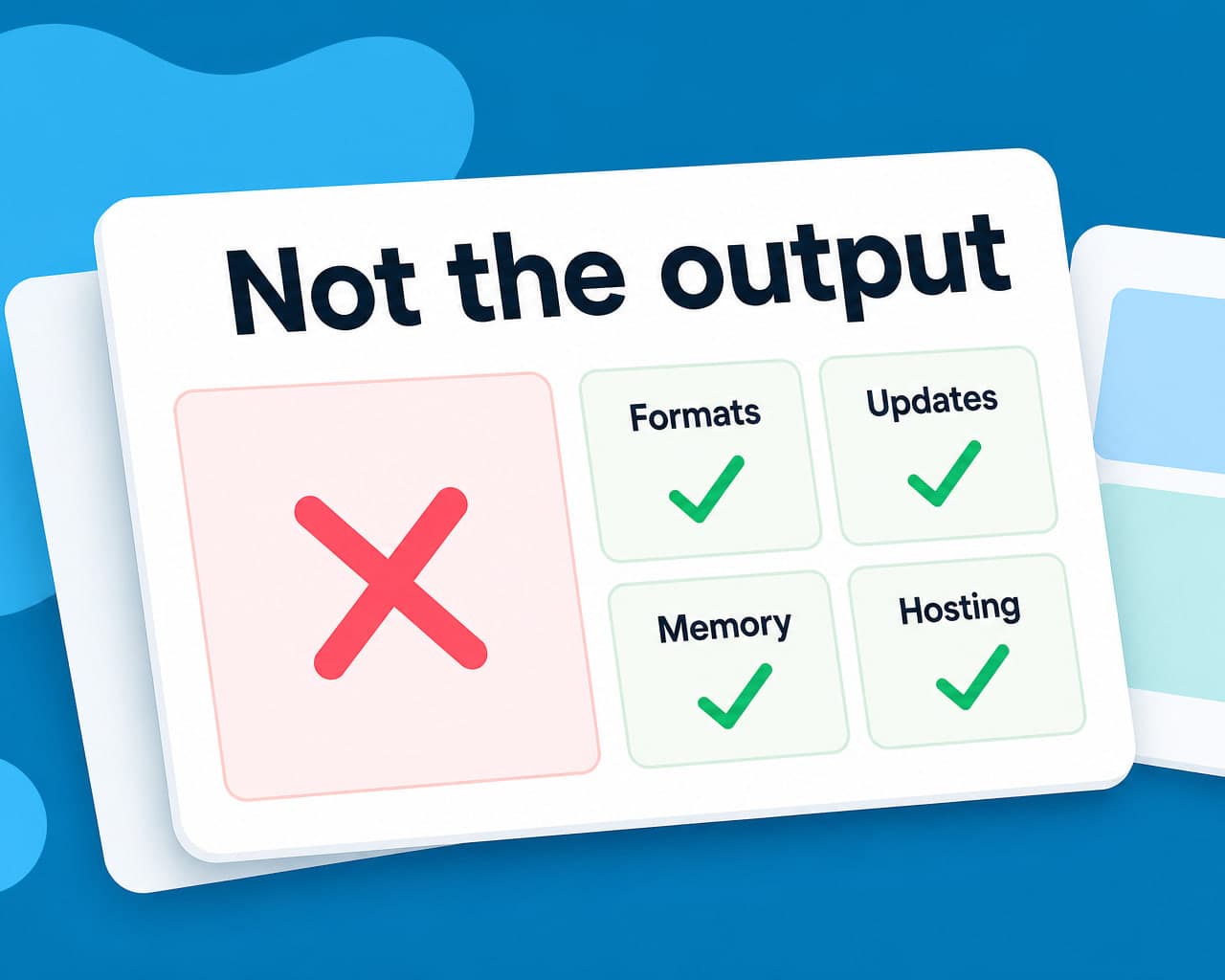
Output quality is not a differentiator any more
Five years ago it was. Today every serious platform produces good text in the major language pairs, and a side-by-side comparison of paragraphs will not tell you which one to buy.
The differences that matter appear at rollout, months after the decision.
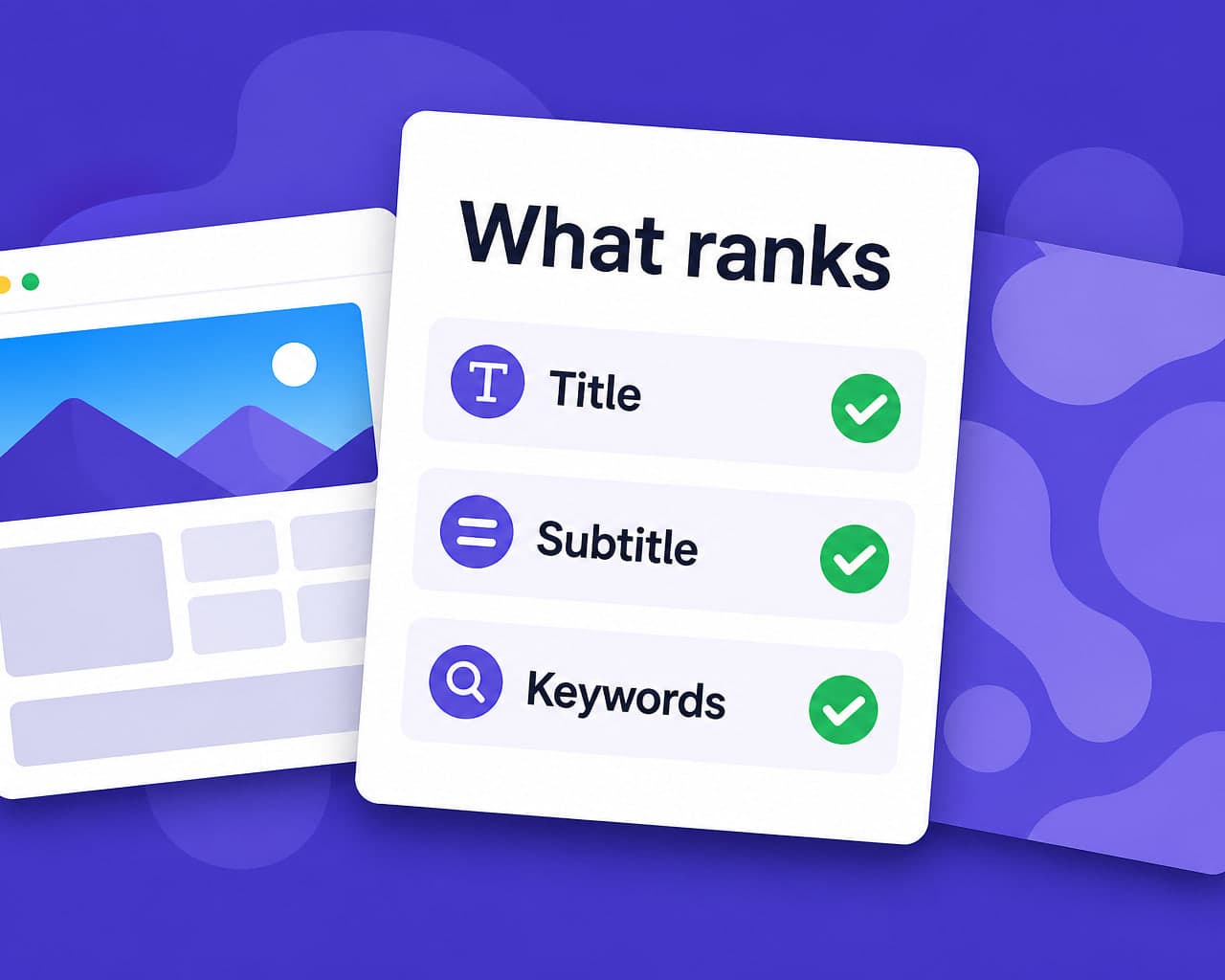
The five that actually separate them
Format coverage. Text is the easy part. Structured documents through document translation, images with text baked in, video, app strings and design files are where a text-only tool forces a second purchase.
Source-change handling. If a content edit does not automatically mark its translations stale, you have bought a staleness problem that grows quietly.
Review tiering. A blog post and a contract should not receive the same treatment. One mode means overpaying for one and under-serving the other. Memory ownership. Every approved rendering is an asset you built. If translation memory cannot be exported in a standard format, the switching cost compounds monthly.
Deployment control. Own domain, own storage, own model keys. This decides the shortlist in regulated industries before anyone reviews a sample.
Three questions that sort a list quickly
Ask what happens when the source changes. Ask how the glossary reaches video and creative. Ask for the memory export format.
The third answer tells you how the relationship ends before it starts, which is worth knowing at the beginning.
What not to weight
Language count beyond the languages you use. Voice count. Benchmark scores on public test sets, which nobody's content resembles.
Where to start
Trial on your own worst content, not the vendor's sample. The failures live in the awkward files.
The category, and the decisions around it
The vocabulary is unsettled, so start with what the terms mean: an agentic content platform, a multimodal localization platform, and how both differ from a TMS. For selection specifically, choosing a content workflow platform lists what to test.
Then the decisions that outlast the tool: build or buy, central or federated teams, how global content operations survive time zones, and a first-year roadmap if you are starting out.
If you are leaving an incumbent, there is a 30-day plan for replacing an agency.
What to read before the shortlist call
Two questions decide most of these evaluations, and neither appears on a feature grid.
The first is scope: whether you are buying translation or buying the whole content pipeline, which is the argument in platform versus traditional localization software. The second is memory, because that is the asset that outlives the vendor — start with multimodal versus legacy TM, then what a multimodal memory is, how it differs from a glossary, and where to set fuzzy match thresholds.
On the operational side, ask how quality assurance runs before content ships, how a rollout is sequenced, and what the continuity plan is when a provider degrades. Agencies reselling the platform should read white label for agencies.
FAQ
Is output quality still a way to compare platforms? Not usefully. Every serious platform produces good text in the major language pairs, so a side-by-side of paragraphs will not tell you which to buy. The differences appear at rollout.
What are the five things that separate platforms? Format coverage beyond text, whether a source change marks translations stale, review tiering by risk, whether the memory can be exported, and deployment control over domain, storage and model keys.
Which single question is most revealing? The memory export format. The answer tells you how the relationship ends before it begins, and a vendor without a clean answer has a switching cost built into the product.
What should a trial use? Your own worst content rather than the vendor's sample. The failures live in awkward files — structured documents, text inside images, design assets — not in clean prose.