Quick answer — Subtitle where video autoplays muted and where budget is the constraint. Dub where the viewer chose to watch, where the content is long, and in markets that expect it. Most libraries need both, from one translated script.
Vitra.ai Universe dubs, clones the voice and re-aligns the mouth in one pass.
It is a placement decision, not a preference
Teams tend to pick one and apply it everywhere, which guarantees being wrong about half the time.
The variables are whether sound is on, how long the content is, and what the market is used to.
| Placement | Default | Why |
|---|---|---|
| Social feed | Subtitle | Autoplays muted, scrolled fast |
| Product page | Subtitle | Muted autoplay, viewer is mid-task |
| Course or training | Dub | Long, and reading for an hour is punishing |
| Paid video ad | Both | Sound-on and sound-off both occur |
| Support and how-to | Dub | Hands are busy doing the thing |
| Brand film | Dub | Emotional register does not survive reading |
Markets have habits
Germany, France, Italy and Spain have long-established dubbing cultures, and subtitled content reads as foreign there in a way it does not in the Nordics or the Netherlands, where subtitling is the norm.
Ignoring that does not fail loudly. It just underperforms, and the reason is invisible in the analytics. A subtitled training video in Germany gets watched to the end less often than a dubbed one, the completion figure looks merely disappointing rather than diagnostic, and nobody connects it to a format decision made once for the whole library. The habit is worth checking per market rather than assumed.
Cost, honestly
Subtitling is cheaper per minute and always will be, because it is text production plus timing.
But the gap has narrowed enough that the old rule — subtitle everything, dub only the flagship — is now leaving retention on the table. Video dubbing runs as one job from a script you already translated, so the marginal cost of a dub is much closer to the subtitle than it was when it meant a studio.
Do both from one script
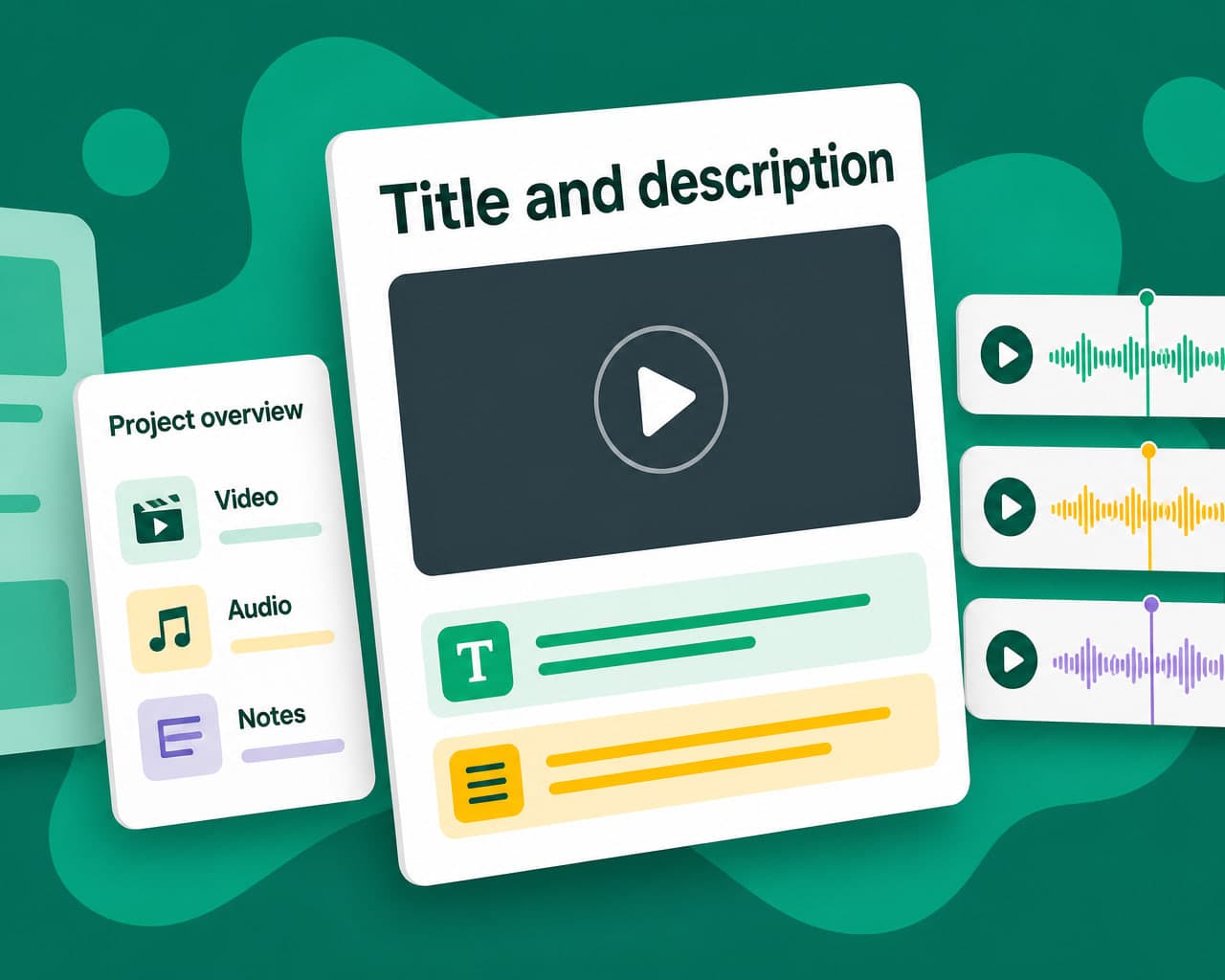
The decision that actually matters is upstream of either: get the translated script right once.
Both outputs come from it, which means the terminology, claims and tone are reviewed a single time rather than twice — and quality control checks one artifact instead of two divergent ones.
Use a sidecar caption file rather than burning text into the frame, so the same render serves every language and stays indexable for search.
The pieces underneath
Both outputs sit on the same machinery. AI lip sync decides whether a dub reads as native, voice emotion settings decide whether it sounds flat, and character consistency keeps a presenter stable across a library.
Where the video does not exist yet, it can be generated — from a blog post, from a deck, or by choosing between text-to-video and image-to-video. Existing footage on YouTube is its own job.
FAQ
Should video be subtitled or dubbed? Subtitle where video autoplays muted, such as social feeds and product pages. Dub where the viewer chose to watch and the content is long, such as training, support and brand film. Ads usually need both.
Do some countries prefer dubbing? Yes. Germany, France, Italy and Spain have established dubbing cultures where subtitled content reads as foreign, while the Nordics and the Netherlands are accustomed to subtitles.
Is dubbing much more expensive than subtitling? It is still more expensive per minute, but the gap has narrowed considerably. When dubbing runs from a script you already translated, the marginal cost is far closer to subtitling than it once was.
Can subtitles and dubs come from the same translation? Yes, and they should. One translated script feeds both, so terminology, claims and tone are reviewed once rather than diverging across two separately produced outputs.