Quick answer — YouTube carries multiple audio tracks and subtitle tracks per video, plus translated titles and descriptions. Uploading a dub is only part of it — the title and description in each language are what actually makes the video findable.
Three separate things to translate
Subtitles. A caption track per language, uploaded as a file or edited in the studio.
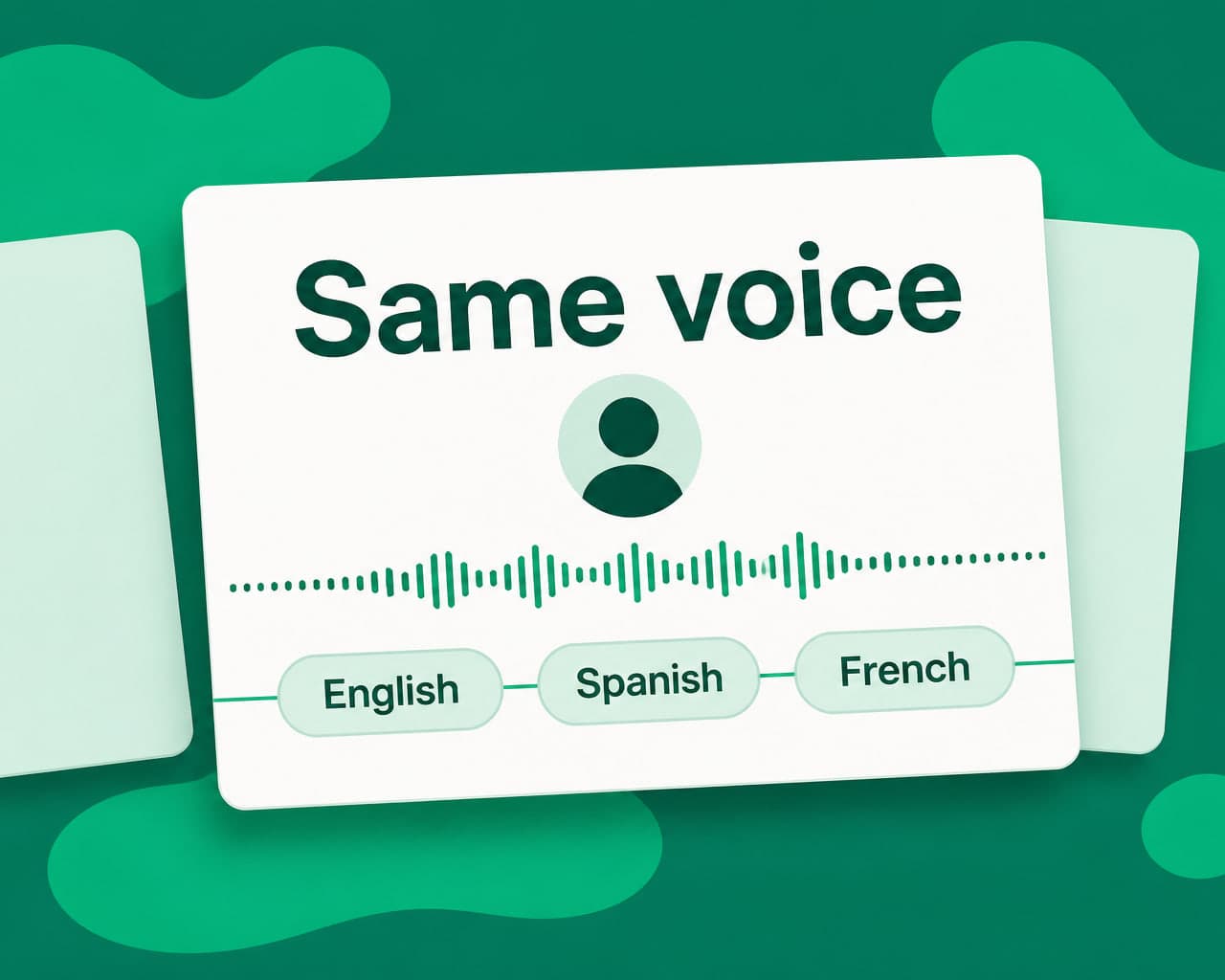
Audio. Multiple audio tracks on the same video, so a viewer's language selects a dub rather than a separate upload.
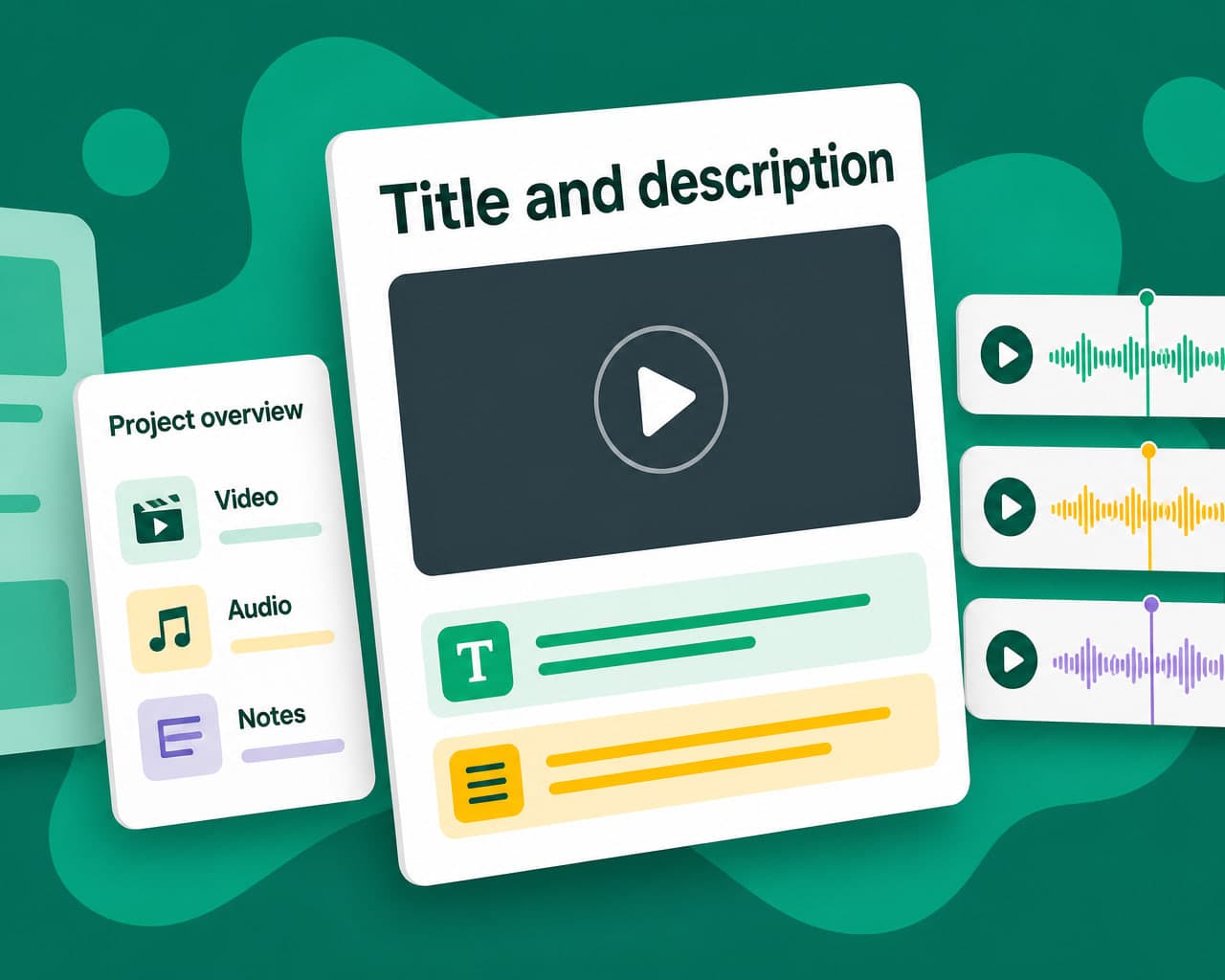
Metadata. Title, description and tags per language. This is the one that decides discovery, and it is the one most channels skip.
A perfectly dubbed video with an English title is a video nobody in that market searches for.
Subtitles first, always
They are cheaper, faster to correct and useful to more people — including viewers watching muted, which on a phone feed is most of them.
Auto-generated captions are a starting point and not a deliverable. They misrender names, technical terms and anything said over background noise, and translating an inaccurate transcript multiplies the error. Fix the source transcript before translating it. Everything downstream inherits that accuracy.
When dubbing earns its place
Long-form content people watch rather than skim. Tutorials and courses. Anything where the presenter's explanation is the value.
Short, fast-cut content is usually better subtitled: dubbing costs more and viewers are reading anyway. video dubbing handles the audio side and the voice can be cloned where the presenter is the brand.
Timing constrains the translation
A dub has to fit the space the speaker leaves. A subtitle has to be readable at the speed it appears — characters per second, line length, minimum duration.
Both mean the translation is adapted rather than literal, and a translator working without those constraints produces text that is accurate and unusable.
Metadata is the growth lever
Translated titles and descriptions put the video in front of searches in that language. It is a few hundred words per video against hours of production, and it is the highest-return element by a wide margin.
Keep terminology consistent across the channel with translation memory so the same product is called the same thing in every video's description.
Chapters, cards and end screens
Chapter titles are in the description. Cards and end screens carry their own text. Both are visible, both are usually English, and both are quick. Setup notes are on the YouTube integration page.
Community contributions are gone
YouTube retired community-contributed captions, so crowd-sourced subtitles are no longer an option. Whatever appears has to be uploaded by the channel, which makes this a production task rather than a community one.
Playlists, channel copy and the About page
Playlist titles and descriptions, the channel description, section headers and the About page all carry text and none of it is per-video. They are small, they are permanent, and they frame every video a new viewer finds.
Thumbnails carry text too
Most channels burn a headline into the thumbnail, and that text is an image rather than metadata. A translated title above an English thumbnail is a mixed signal at exactly the moment a viewer decides whether to click.
Image translation handles the thumbnail text without rebuilding the artwork per language.
Where to start
Translate the titles and descriptions of your ten best-performing videos before touching the audio. It is a day of work and it is where the discovery is.
FAQ
Can one YouTube video have multiple languages? Yes. YouTube supports multiple audio tracks and subtitle tracks on a single video, plus translated titles and descriptions, so a viewer's language selects the right track rather than a separate upload.
Should I dub or subtitle YouTube videos? Subtitle first. Subtitles are cheaper, faster to correct and useful to muted viewers, which on a phone feed is most of them. Dubbing earns its place on long-form content where the explanation is the value.
Are auto-generated captions good enough to translate? No. They misrender names, technical terms and anything said over background noise, and translating an inaccurate transcript multiplies the error. Fix the source transcript first.
What has the highest return when localizing a channel? Translated titles and descriptions. They are a few hundred words per video against hours of production, and they are what puts the video in front of searches in that language.