Quick answer — Review a dub for meaning, voice, timing and the finished picture. Check subtitles and every delivery format against the approved version. Keep the reviewer and release decision visible.
Vitra Universe video dubbing connects transcription, translation, voice and lip-sync work. Human review still decides what reaches the audience.
Start with a short, difficult sample
Before producing the full language set, test a section with a close-up, a product name and a line that must stay accurate. That sample will reveal different problems from a quiet introduction with no visible speaker.
Give the reviewer the approved source script, the intended audience and any required wording. Record whether the requested output is a voiceover, a dubbed video, translated subtitles or all three. These aren't interchangeable deliverables.
The video localization brief template keeps those choices together, including voice permissions and export requirements.
Nine checks before release
| Check | What to look for |
|---|---|
| Meaning | Missing qualifiers, reversed instructions and an offer that changed |
| Local claims | Required wording and disclosures reviewed by the appropriate specialist |
| Timing | A line overrunning the scene or sounding unnaturally rushed |
| Pronunciation | Product names, people's names and technical terms |
| Speaker mapping | The right voice assigned to the right speaker |
| Performance | Tone and emphasis that fit the intended audience |
| Audio mix | Understandable dialogue without clipping or distracting level changes |
| Lip sync | Mouth movement and speech agreeing, especially in close-ups |
| Subtitles and captions | The correct language, track, timing and approved meaning |
Use back-translation as an extra signal where useful, not as a replacement for a target-language reviewer. A reversed translation can miss the same context as the first one.
A worked review example
Imagine a fictional 30-second battery-safety video. At 00:12, the presenter says, “Do not charge below freezing.” The German version must preserve that warning and fit the scene; the vertical crop must also keep the warning visible.
A useful review note says:
At 00:12–00:16, confirm the negation, use the approved battery term and keep the warning inside the vertical safe area. Recheck the audio and captions after the line is adapted.
That note gives the team a timestamp, an issue and a recheck. “German needs improvement” gives them none of those.
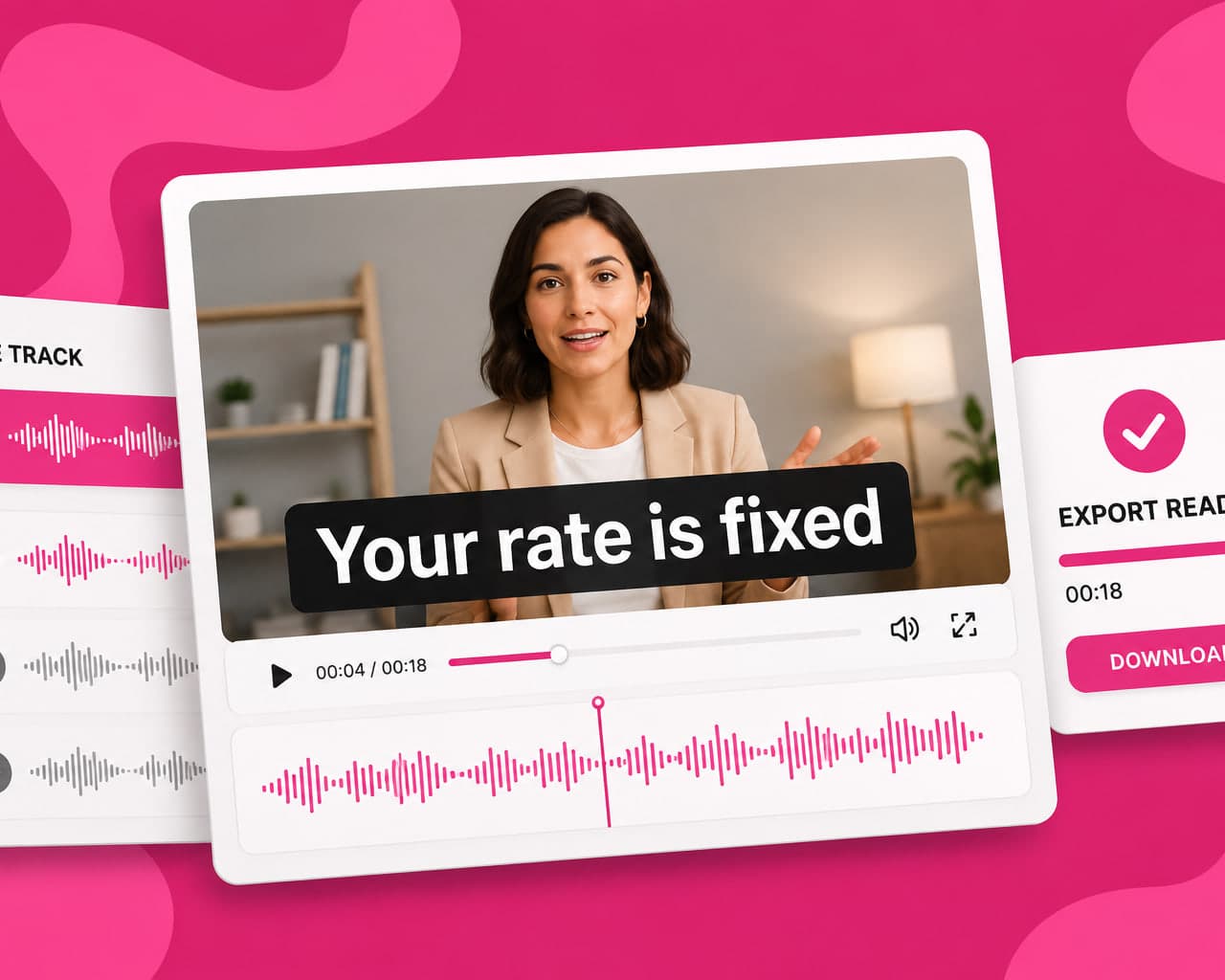
Once the language reviewer accepts the line, inspect the rendered video again. Script approval doesn't reveal a subtitle hidden beneath a social app's controls.
Timing without losing the message
Speech duration can change with language, wording and delivery. Don't assume every translation will be longer, or solve an overrun by making the voice speak faster.
Try a shorter natural phrasing that preserves the meaning. If required wording still won't fit, revisit the edit or scene duration with the content owner. Watch the repaired section in context, including the sentence before and after it.
The balance between intention and synchronization is also discussed in Netflix's dubbing creative guidance. Those guidelines concern Netflix productions; they aren't a claim that your campaign has Netflix approval.
Review the actual delivery files
Check the 16:9, 9:16 and square versions separately if those are your requested outputs. Look at the crop, visible text, logo, subtitles and required notices. An approved landscape master doesn't approve every adaptation.
Confirm the language and version in the filename, then check the exported audio and subtitle files against the video. If a voice is cloned or a person's likeness is used, verify the relevant permission and usage limits before release. Permission is a responsibility to resolve, not something a completed render proves.
For repeat work, Vitra Flow can connect production tasks and review. Automated checks can help find issues; the responsible reviewer should see the findings and decide whether the asset is ready.
FAQ
What should be checked first in a dubbed video? Confirm the meaning and important claims with a qualified target-language reviewer. Then review timing, pronunciation, speaker identity, performance and the finished export. A confident voice can still say the wrong thing.
Why does a dubbed line overrun its scene? The translated wording and delivery may need more time than the available scene allows. Adapt the line within its meaning and timing constraints, then listen again. Do not remove a required warning merely to make it fit.
Should subtitles always use exactly the dubbed wording? Subtitles should agree with the approved meaning and the intended track. Captions for a dub should follow that dub, while translated subtitles may be a separate deliverable. Label and review each version clearly.
Does lip sync remove the need for language review? No. Lip sync addresses the relationship between visible mouth movement and speech. It does not approve the translation, voice rights, local claims or final layout.