Quick answer — In production and media, AI changes the economics of the long tail. A back-catalogue title that could never justify a dub in a small market now can, and same-week multi-territory launches become possible for the first time.
The long tail is where the money was always trapped
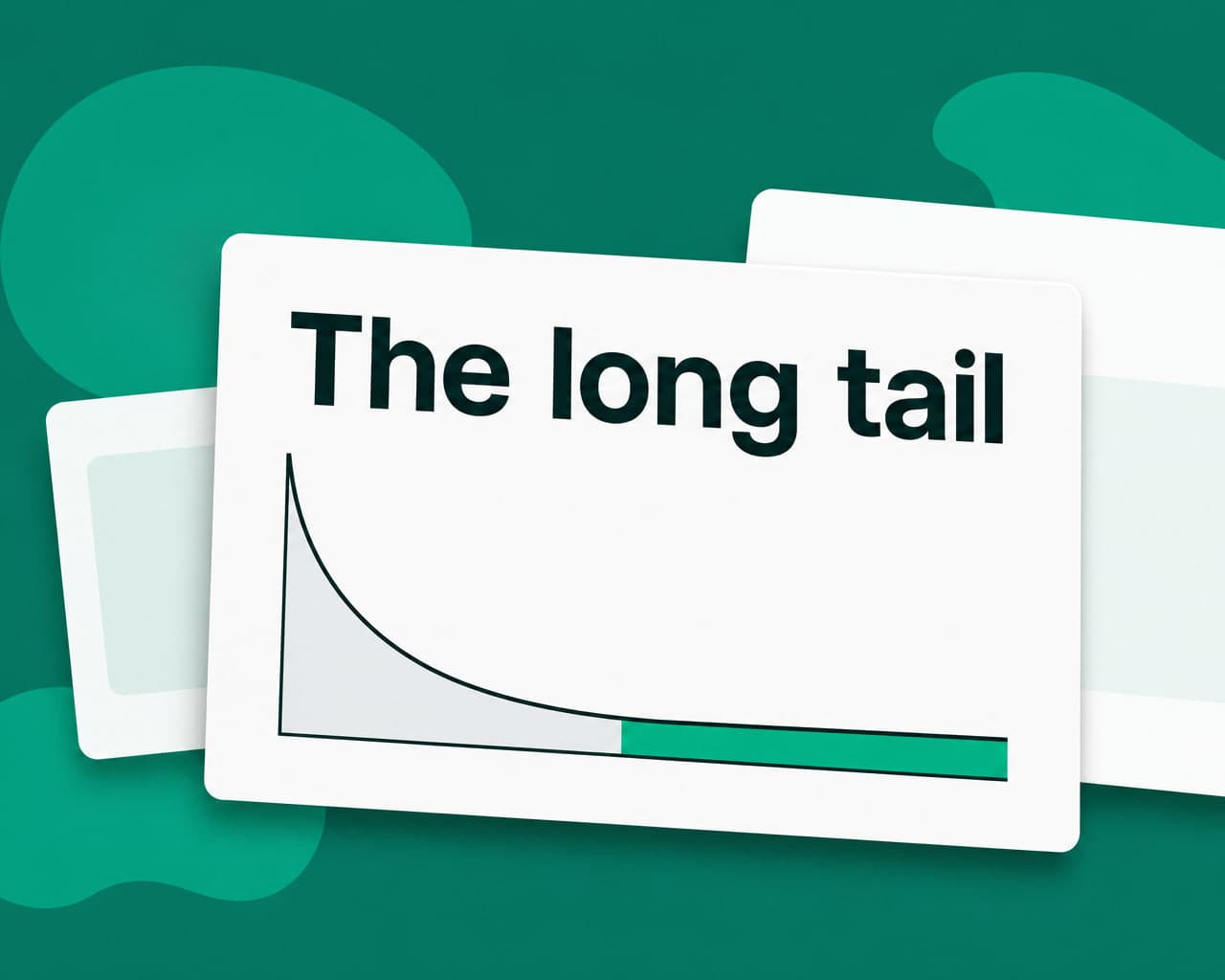
A studio's top titles get localized properly and always have. The three thousand behind them do not, because a traditional dub costs more than the territory returns. That is the calculation AI changes. When the marginal cost of a fifteenth language collapses, a catalogue that was economically dead in most of the world becomes distributable, which is why OTT platforms adopted it.
Simultaneous launch is the other half
Staggered releases leak. A show that opens in one market and reaches another three months later has already been pirated there, and the audience has moved on. Same-week is the operational change.
What still needs a human
Lead performances in flagship titles. Comedy, where timing is the joke. Anything where a specific voice is part of the brand.
Nobody serious is proposing otherwise. The argument is about the other ninety percent of the catalogue, and it is largely settled.
The pipeline is the hard part
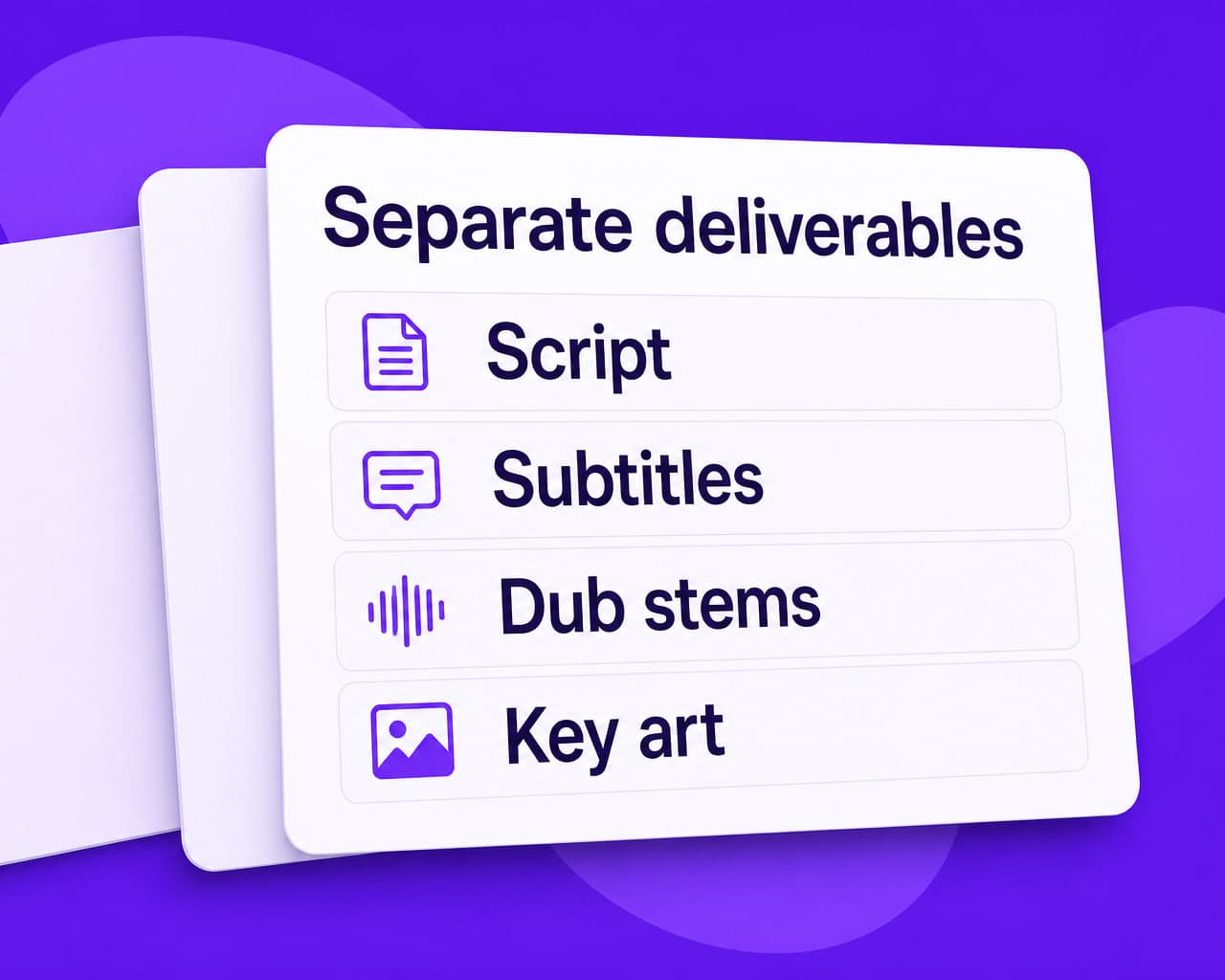
Dubbing is not one operation. Transcription, translation, adaptation to lip-timing, voice casting, synthesis, mix, QC and delivery in a platform's required package — each with a handoff that can lose a file. Video dubbing is the step everyone pictures and the smallest part of the work.
agentic workflows is what makes that repeatable across a slate rather than heroic per title.
Where to start
One back-catalogue title, two languages, end to end. The pipeline is the deliverable, not the episode.
Cost reduction covers the business case; formats sit in production media translation.
For vendor selection, OTT localization platform sets out what to require.
Games are the adjacent discipline
Interactive content shares most of this machinery and adds two problems film does not have: text that has to fit fixed UI art, and dialogue that branches. Game localization covers the order that work runs in, and culturalization covers the review that decides whether a title can ship in a territory at all.
FAQ
Where does AI change media localization economics most? In the back catalogue. Top titles have always been localized properly; the thousands behind them were not, because a traditional dub cost more than a small territory returned.
Why does simultaneous launch matter? Because staggered releases leak. A show that reaches a second market three months later has already been pirated there and the audience has moved on.
What still requires human dubbing? Lead performances in flagship titles, comedy where timing is the joke, and anything where a specific voice is part of the brand. The argument is about the rest of the catalogue.
What is the hardest part of an AI dubbing programme? The pipeline, not the voices. Transcription, translation, lip-timing adaptation, casting, synthesis, mix, quality control and platform-specific delivery each have a handoff that can lose a file.