Quick answer — Compare OTT localization platforms on delivery specification support, voice rights and consent, pipeline recovery when a package is rejected, and whether the terminology carries across subtitles and dubs.
A clip is not the test
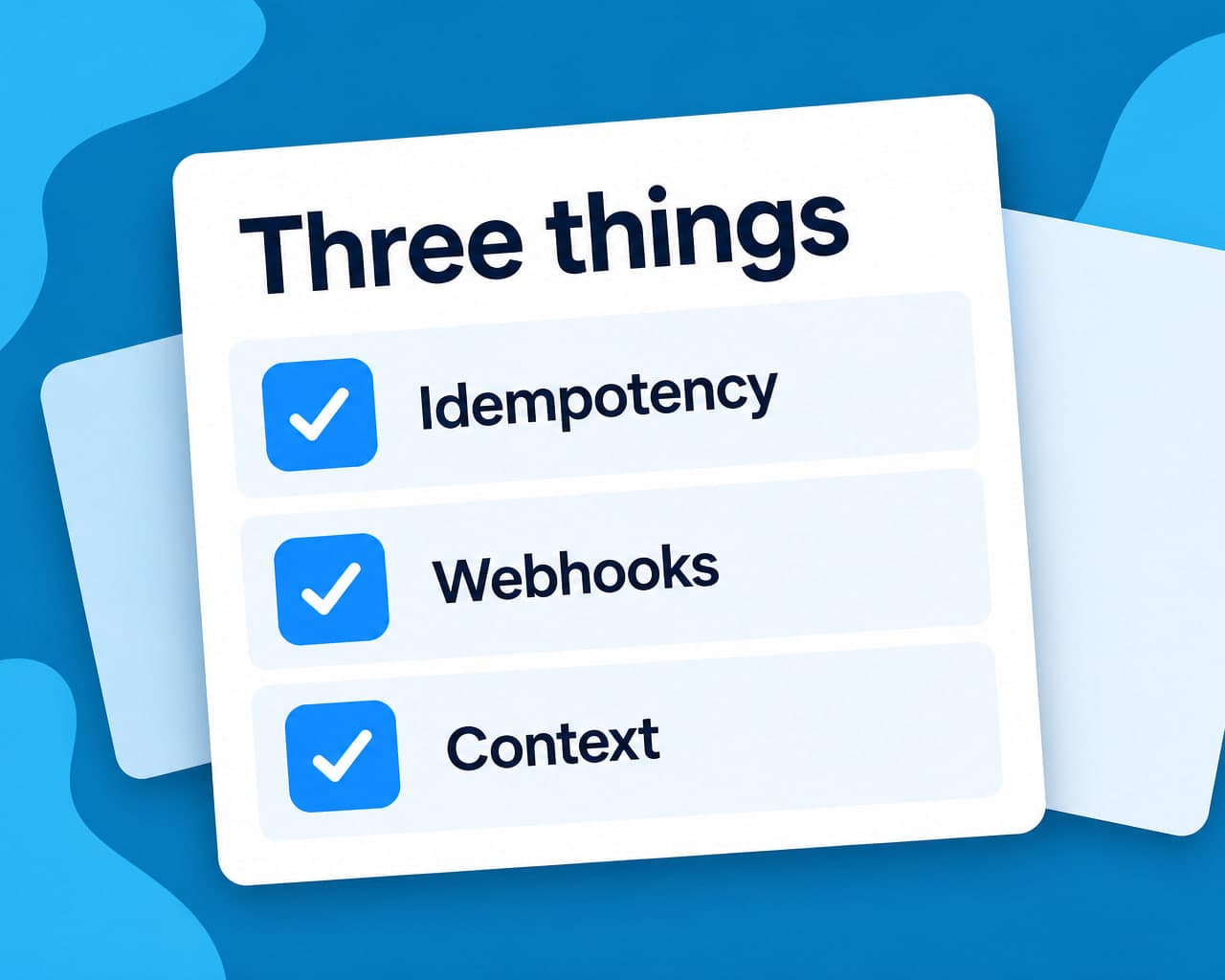
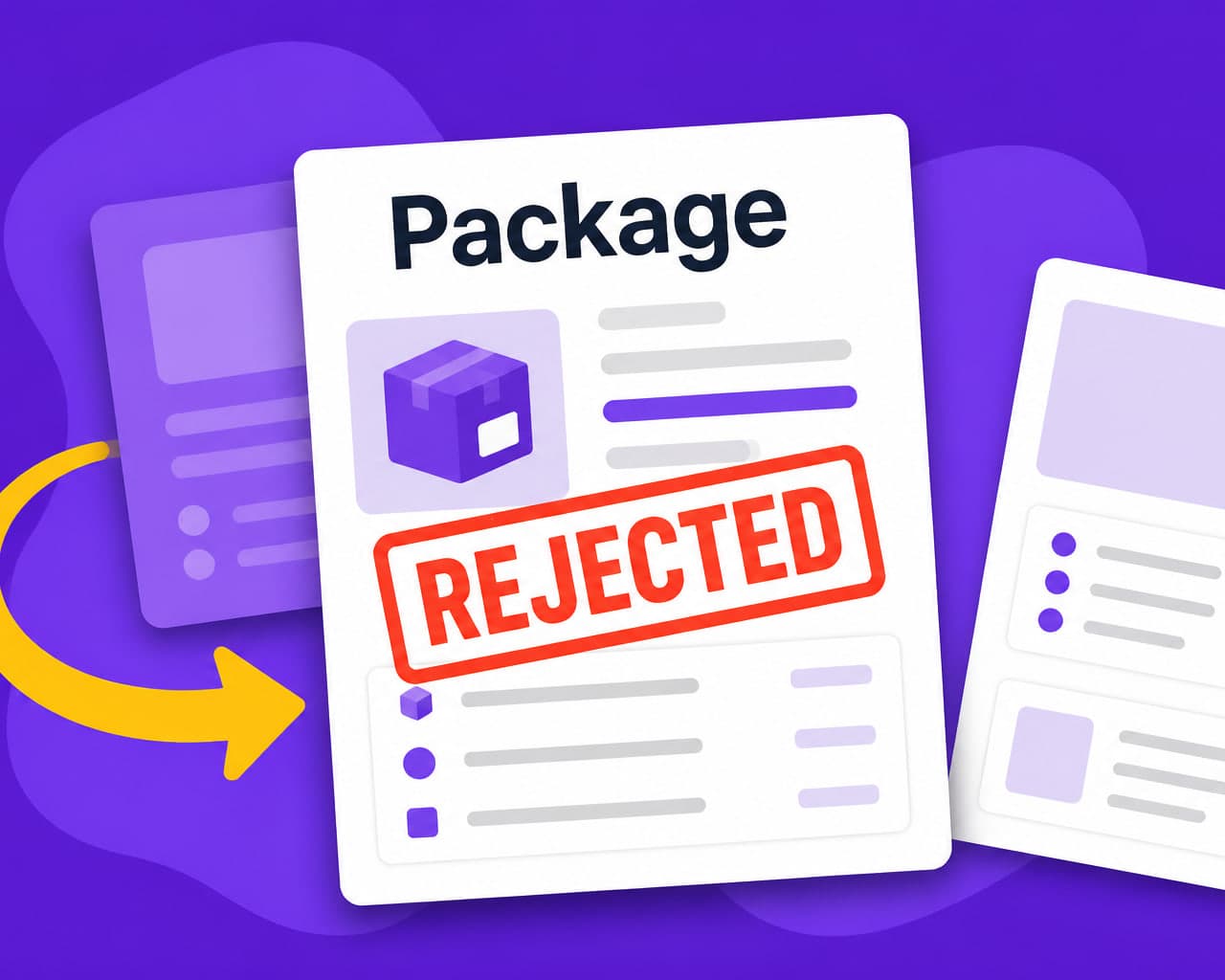
Every vendor produces a convincing dubbed clip. The clip proves the synthesis works and nothing else about whether they can deliver a slate. What matters is what happens at the boundary: a platform's delivery specification, a rejected package, a late picture change, a voice that has to be retired. Ask about those.
Delivery specifications are the hidden work
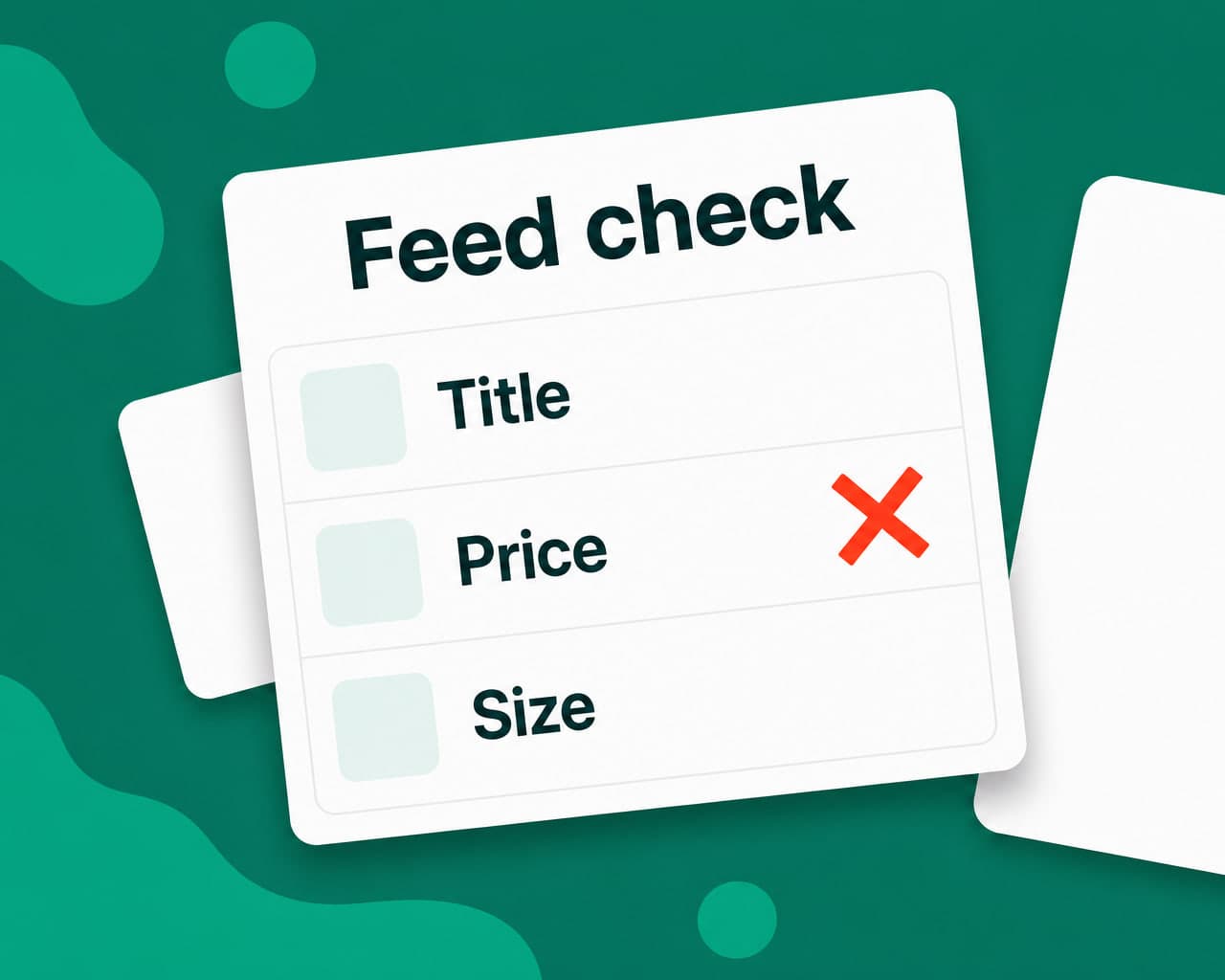
Each service has its own package format, subtitle standard, loudness target and metadata schema. A platform that produces excellent audio and cannot assemble a compliant package has moved the work rather than done it.
Ask which specifications are supported natively and which are somebody's manual step.
Voice rights are a contract question
Synthetic voices are built from someone. Ask whose, on what consent, for how long, and what happens if that person withdraws.
This has become the question that stops deals in this industry, and a vendor without a clear answer is a risk that lands on your title rather than on theirs.
Terminology has to cross formats
A character name or an invented term rendered one way in the subtitles and another in the dub is the error viewers notice first. It happens because subtitle and dub pipelines usually run separately.
Shared translation memory across both is what prevents it, and it is worth confirming rather than assuming.
What not to weight
Voice count. Twelve thousand voices sounds impressive and you will use nine per title. Quality control across the nine matters more than the twelve thousand.
Where to start
Run a full episode through to a real platform delivery in a trial, including the package. The failures live at the end.
Deliverables covers what that package contains.
FAQ
What should an OTT localization trial include? A full episode delivered to a real platform specification, package included. A dubbed clip proves the synthesis works and nothing about whether a slate can be delivered.
Why do delivery specifications matter? Because each service has its own package format, subtitle standard, loudness target and metadata schema. Excellent audio in a non-compliant package has moved the work rather than done it.
What should be asked about synthetic voices? Whose voice it is, on what consent, for how long, and what happens if that person withdraws. It is the question that most often stops deals, and the risk lands on your title.
How does terminology drift between subtitles and dubs? Because the two pipelines usually run separately, so a character name or invented term gets rendered one way in each. Shared translation memory across both is what prevents it.