Quick answer — OTT platforms adopted AI dubbing to make catalogue depth affordable in markets that could never justify a studio dub. Cost mattered, but the deciding factor was how many titles a subscriber in a small market could actually watch.
Subscribers churn on catalogue, not on hits
A service wins a market with a few flagship titles and keeps it on depth. A subscriber who finishes the four things available in their language cancels, regardless of how good those four were. Traditional dubbing made depth impossible outside the largest markets. Two hundred titles at studio rates in a country of six million never returns the spend, so those subscribers got subtitles and a thin shelf.
What changed the maths
When the marginal cost of a language collapses, the calculation inverts. A back-catalogue title that returns very little in a small market now costs very little to serve there, and depth becomes affordable everywhere at once.
That is the actual reason the industry moved. Cost reduction on flagship titles was a smaller prize and it is the one the press releases talked about.
The quality bar moved too
Early synthetic dubs were obviously synthetic.
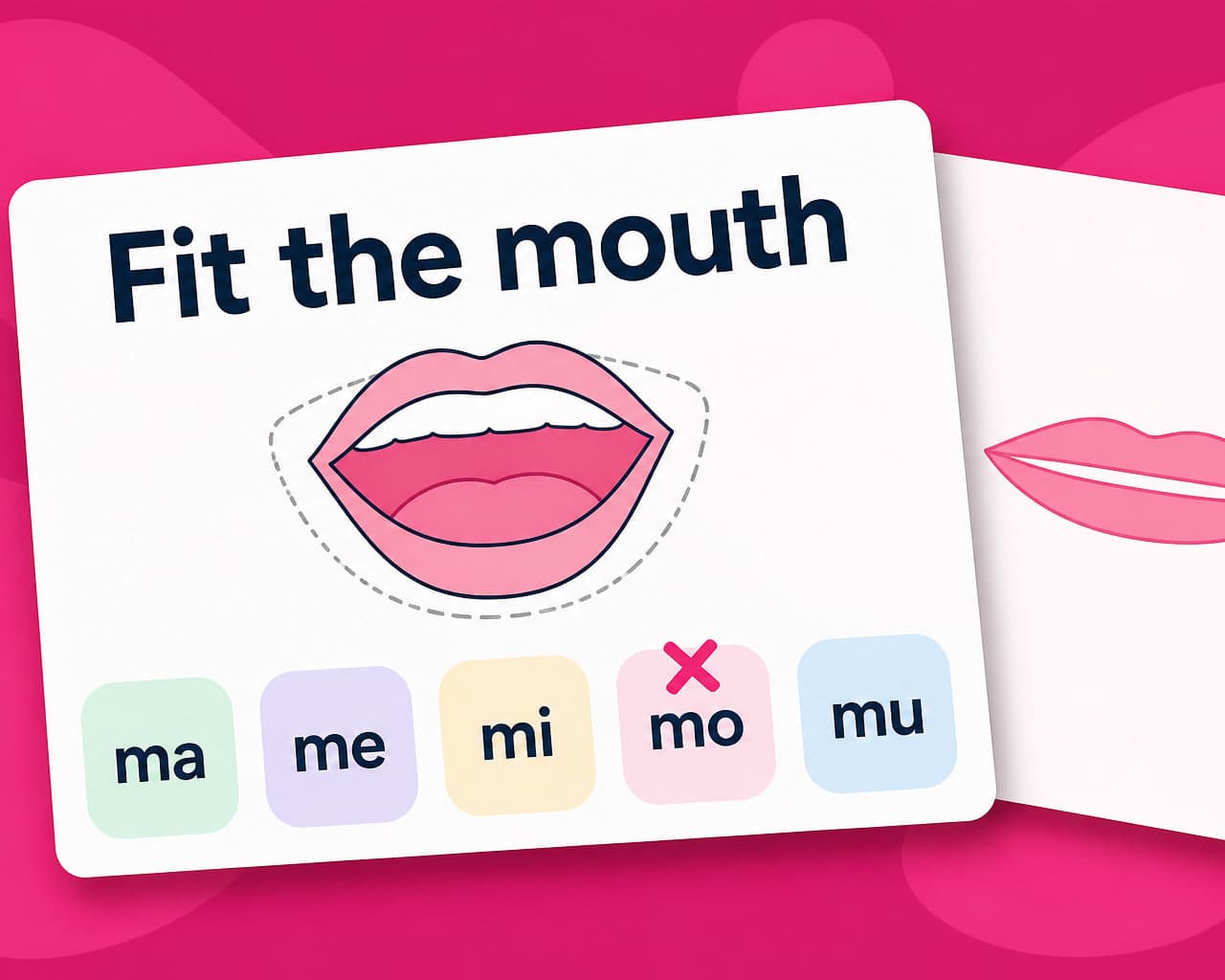
Current systems handle emotion, timing and lip proximity well enough that factual, procedural and much scripted content passes without comment, and video dubbing carries most of a catalogue comfortably.
Flagship drama still goes to a studio. Nobody serious argues otherwise.
Where viewers still notice
Comedy timing. Children's content, where audiences are unforgiving. Anything where a performance is the reason the title exists, which is where quality control has to route a title to a studio rather than a queue.
Where to start
Depth before flagship. Localize the shelf a subscriber sees after their first week, because that is the week they decide.
AI for production media sets out the pipeline behind it.
FAQ
Why did OTT platforms adopt AI dubbing? For catalogue depth rather than cost. A subscriber who finishes the four titles available in their language cancels, and traditional dubbing made depth impossible outside the largest markets.
What changed the economics? The collapse in marginal cost per language. A back-catalogue title returning very little in a small market now costs very little to serve there, so depth becomes affordable everywhere simultaneously.
Is AI dubbing good enough for scripted content? For much of it, yes. Current systems handle emotion, timing and lip proximity well enough that factual, procedural and a lot of scripted content passes without comment. Flagship drama still goes to a studio.
Where do viewers still notice synthetic dubs? Comedy timing, children's content where audiences are unforgiving, and anything where a specific performance is the reason the title exists.