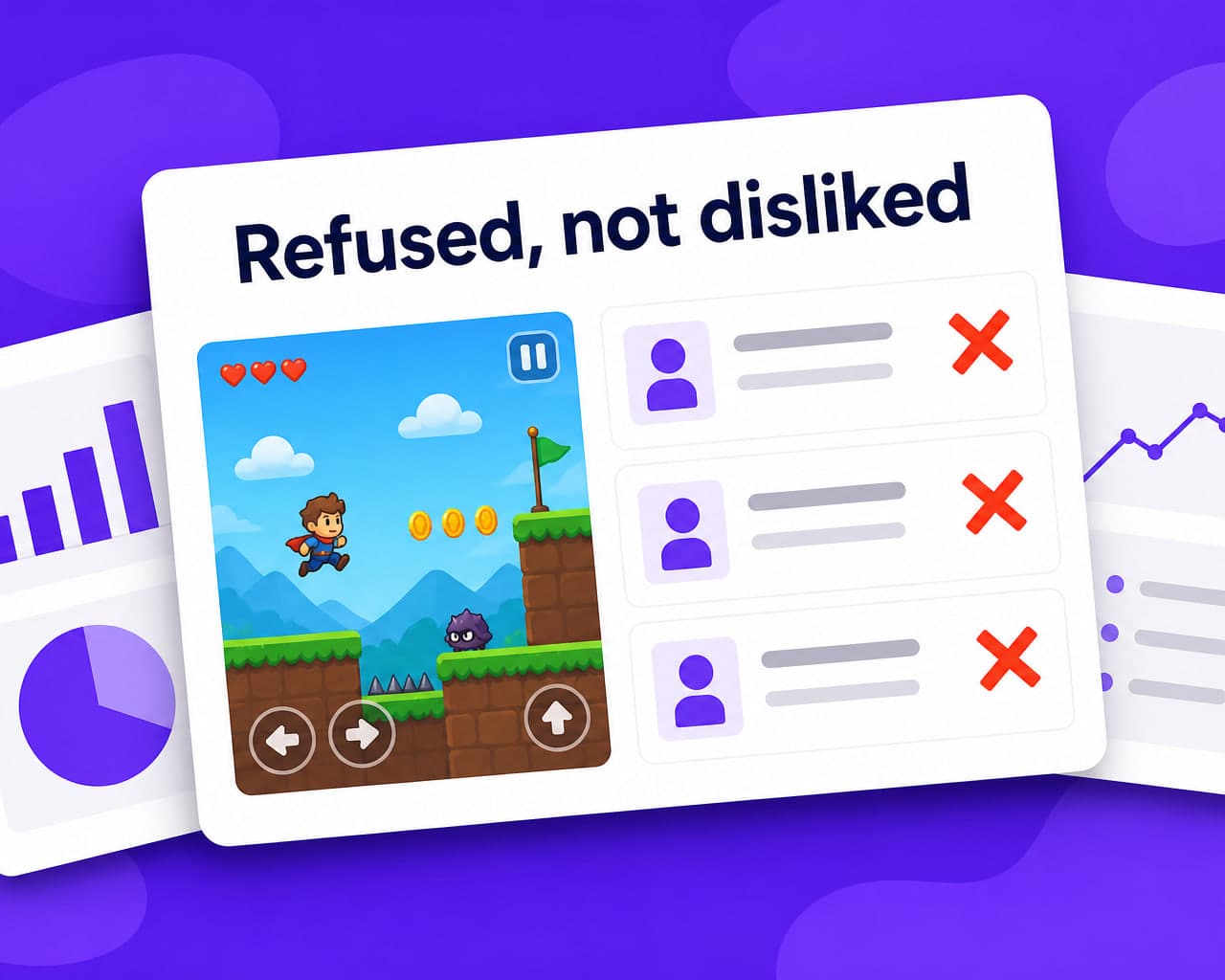
Quick answer — Translation converts the words; culturalization checks whether the content is acceptable in a market at all. Symbols, history, religion, maps and gestures are where games get refused classification or pulled.
Vitra.ai Universe keeps character voice and terminology intact across every language.
Two different questions
Translation asks whether a player can understand the game. Culturalization asks whether the game can be sold there.
A perfectly translated game can still be refused a rating, blocked, or generate a backlash — and none of those is a language problem.
What actually gets flagged
| Area | Typical issue |
|---|---|
| Symbols and iconography | Historical or political symbols banned in some markets |
| Maps and borders | Disputed territory shown one way |
| Religion | Sacred text or imagery used decoratively |
| Gestures | Hand signs that differ sharply in meaning |
| Blood, gore, death | Rating thresholds differ by territory |
| Real-world conflicts | Depiction of recent events |
| Gambling mechanics | Loot boxes regulated in some markets |
Maps are the recurring one. A border drawn according to one country's position is a commercial and sometimes legal problem in another, and it is usually noticed after launch rather than before.
Ratings are territory-specific
PEGI, ESRB, CERO, USK and others assess differently, and the same content can land in different age brackets or fail outright.
That affects the store page, the trailer card and sometimes the build itself — so it belongs in scoping, not in the final week. Territory art is covered in store page localization.
Where the line sits
Not everything unfamiliar needs changing. Games travel partly because they are from somewhere, and sanding off every specific detail produces something with no character.
The test is consequence: does this prevent classification, break a law, or cause the audience to reject the game outright? That is a change. Merely unusual is not, and treating it as one is how localized versions lose what made the original work.
Run it early and on the build
A culturalization review on a design document catches the map and the symbols. A review on the running build catches the gesture in an idle animation and the poster on a wall in level four. Do both. Quality control can score assets per region with severity weighting and flag what needs a human, with the wording of any change held in memory so a fix in one market does not contradict another, but the final call on cultural risk belongs to someone who knows the market — and it is worth having that person on the project before content is final rather than after.
FAQ
What is the difference between translation and culturalization? Translation makes a game understandable; culturalization decides whether it can be sold in a market. A perfectly translated game can still be refused classification or pulled.
What gets flagged in a culturalization review? Symbols and iconography, maps and borders, religious imagery, gestures, depictions of violence against local rating thresholds, recent real-world conflicts, and regulated mechanics such as loot boxes.
Do age ratings differ by territory? Yes. PEGI, ESRB, CERO, USK and others assess differently, so the same content can land in different brackets or fail outright, which affects the store page, trailer and sometimes the build.
Should everything unfamiliar be changed? No. Games travel partly because they come from somewhere. The test is consequence — whether it prevents classification, breaks a law, or causes outright rejection — not mere unfamiliarity.