Quick answer — Automotive terminology drifts because feature names are created by product, marketing and engineering separately, then translated separately. A vehicle glossary fixes one name per feature per market and pins it so nothing downstream can rename it.
Vitra.ai Universe keeps one vehicle vocabulary across manual, showroom and screen.
One feature, several names
A driver-assistance system is named by engineering, renamed by marketing for the brochure, abbreviated on the infotainment screen, and described differently again in the owner manual.
In one language that is untidy. Across a model range and a dozen markets it becomes a customer who cannot tell whether the feature on the window sticker is the one in the menu, and a technician who cannot tell whether the fault code belongs to the system in front of them.
Where the drift starts
| Source | Names it creates |
|---|---|
| Engineering | System and component designations |
| Product planning | Trim and equipment package names |
| Marketing | Consumer feature names, per market |
| Homologation | Regulated descriptions |
| Aftersales | Parts and operation descriptions |
| Infotainment | Abbreviated screen labels |
Each of these is a legitimate name for a real audience. The failure is not that several exist, it is that nobody records which one belongs where, so translation picks whichever it met first.
What a vehicle glossary holds
One entry per concept, with the approved form for each audience and each market, and an explicit note on what must never be translated. Model names, trim names, engine designations, system acronyms and part numbers belong on a do-not-translate list. Consumer feature names get a decided local form. Regulated descriptions take the wording the market requires rather than the wording marketing prefers.
Model-year variance is the part usually missed. A name that changed between model years has to keep both forms, because the older vehicle is still on the road and its documentation still has to be correct.
Pinning beats reviewing
A glossary that reviewers consult is a glossary that gets ignored under deadline.
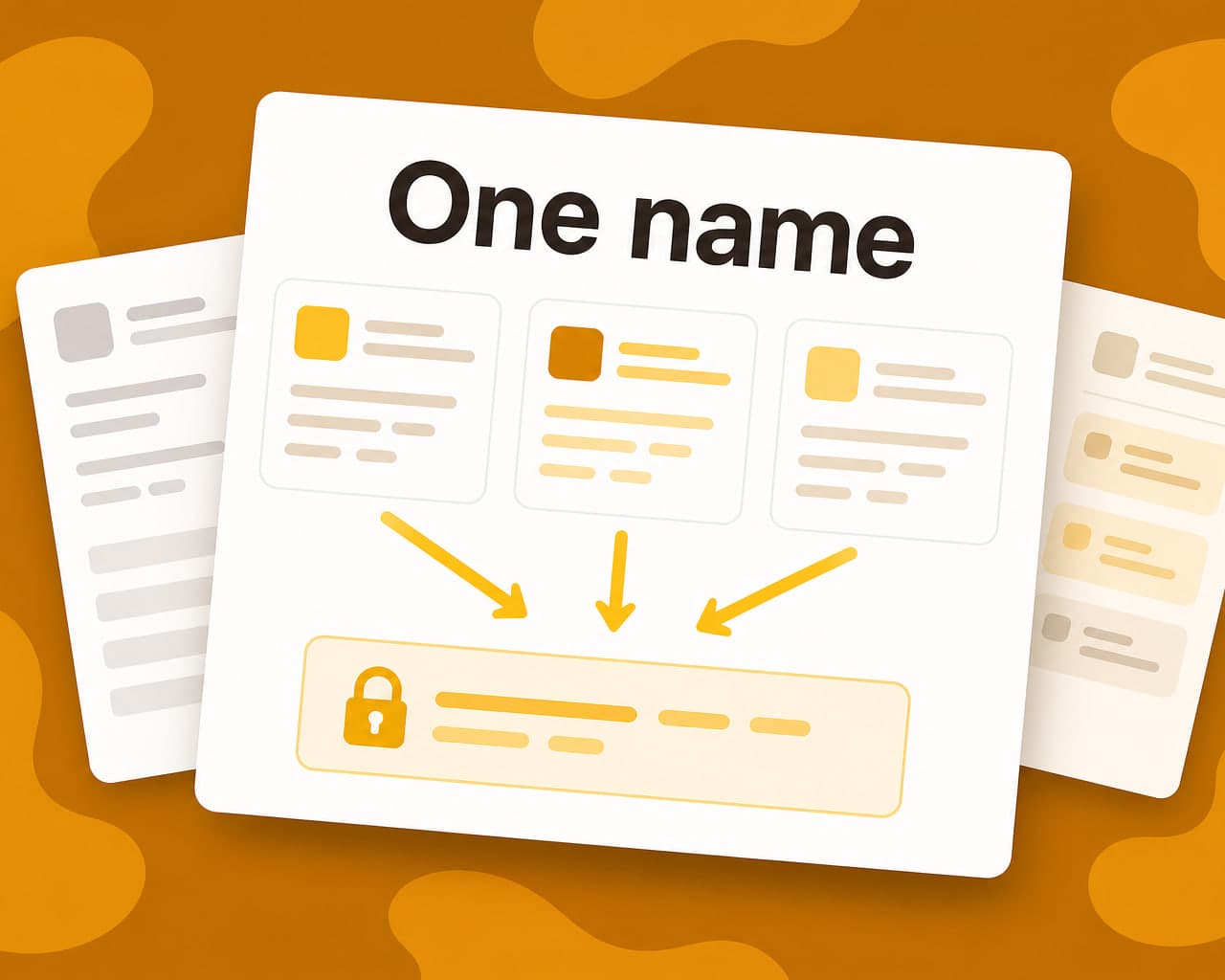
An entry pinned in translation memory cannot be overwritten by a fuzzy match, which is the difference between a decision and a suggestion. Quality control then checks terminology on every output rather than on a sample, and the exceptions it raises are the candidates for the next glossary entry.
What it holds together
Every automotive content type depends on this, which is why it is worth building before the volume arrives:
- Owner manuals and warranty booklets - Service manuals and infotainment strings - Brochures and launch content - Campaigns, walkaround video and dealer training - Fleet sales material
More on the full set at Vitra for automotive.
FAQ
Why do vehicle features have different names in different places? Because engineering, product planning, marketing, homologation and aftersales each name things for their own audience. The problem is not that several names exist but that nobody records which belongs where.
What belongs in an automotive glossary? One entry per concept with the approved form for each audience and market, plus an explicit do-not-translate list covering model names, trim names, engine designations, system acronyms and part numbers.
How should model-year changes be handled? By keeping both forms with their model years attached. A vehicle from an earlier year is still on the road, and its documentation has to stay correct after the name changed.
Why pin terms rather than publish a glossary? Because a glossary that has to be consulted gets skipped under deadline. A pinned entry cannot be overwritten by a fuzzy match, which turns the decision into something the pipeline enforces.