Quick answer — A brochure's difficulty is the specification grid and the legal footer, not the prose. Equipment availability differs by market, footnote text is local, and expansion has to be designed into the layout before translation starts.
Vitra.ai Universe keeps one vehicle vocabulary across manual, showroom and screen.
Mostly tables and footnotes
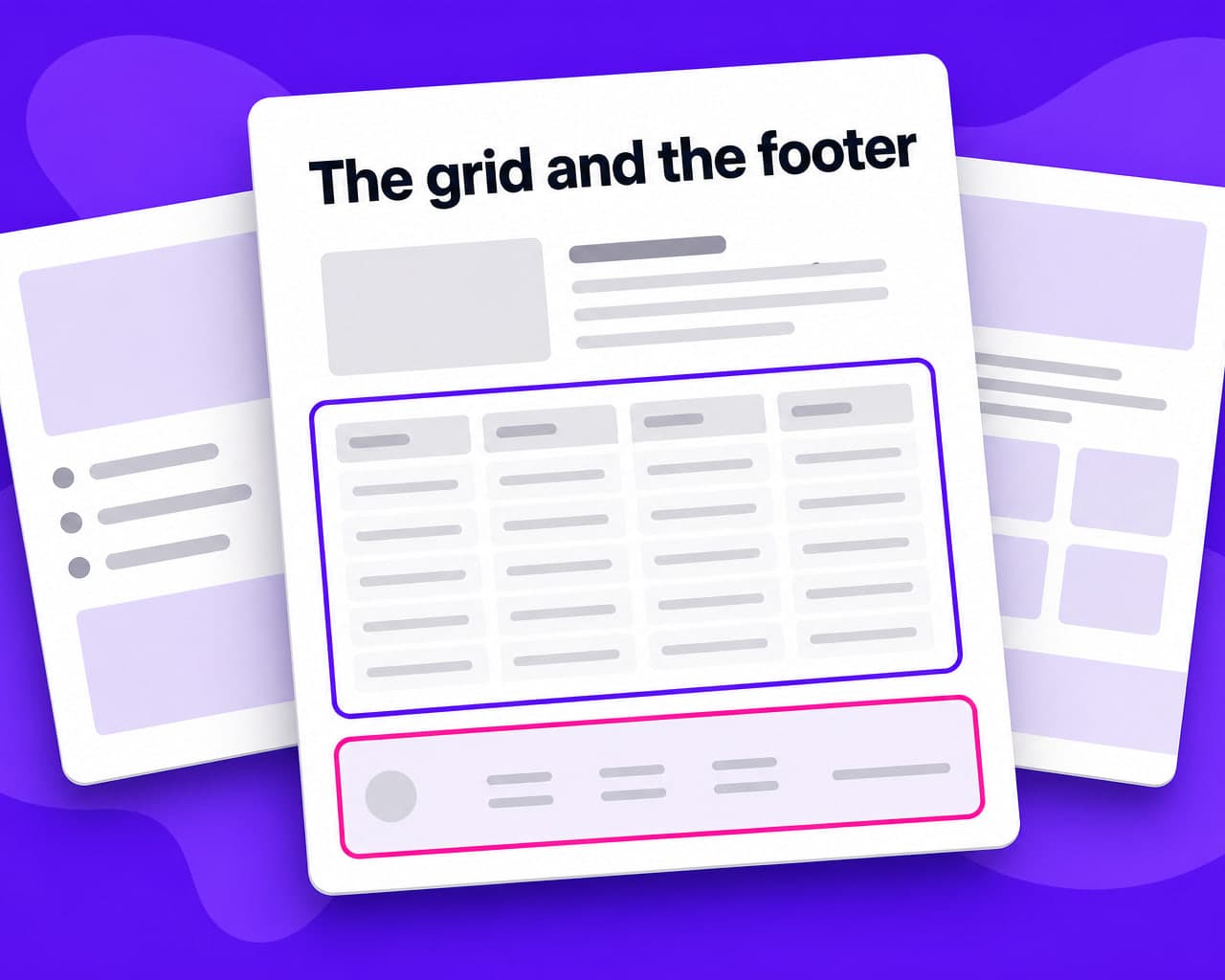
The persuasive copy in a car brochure is a small share of the page count. The bulk is specification grids, equipment tables, colour and trim charts, and a legal footer.
Those are the parts that go wrong, because they look mechanical and are not.
Equipment availability is market-specific
A feature that is standard in one market is optional in another and unavailable in a third, and the grid has to reflect that.
| Layer | Varies by |
|---|---|
| Trim line-up | Market |
| Standard versus optional | Market, trim |
| Colour and upholstery availability | Market, supply |
| Efficiency and emissions figures | Market test basis |
| Prices | Market, always last |
| Footnotes | Market, drafted locally |
A brochure translated without rebuilding the grid describes a car the reader cannot order. That reads as carelessness in a document customers take home and compare against a competitor's. The grid should therefore be assembled from the market's own product record rather than edited down from another market's version. Editing down looks faster and leaves whatever nobody remembered to delete. Assembling from the record means a feature appears because that market offers it, not because it survived a review. It also means a mid-cycle equipment change updates the brochure in every language from one edit.
The legal footer is local
Efficiency figures, comparative claims, finance representative examples and availability caveats are drafted for the market and carry their own legibility requirements.
They are not translated from another market's footer. Treat them as approved local blocks, and design the page to fit the longest one, because a footer that does not fit is usually solved by shrinking the type below what the market permits.
Layout decides the schedule
Brochures are laid out in a design tool and printed, so text expansion is a layout problem with a print deadline behind it — the same constraint as a quick start card with far more pages.
Document translation works on the source file so the layout survives rather than being rebuilt, and image translation handles callouts baked into the photography and the cutaway diagrams.
Sequence
Freeze the source, rebuild the grid per market, translate everything, then lay out against the language that expands most.
Keep names identical to the glossary so the campaign and the price list agree with the brochure, and let quality control check every figure in the grid against the product record rather than proofreading a table by eye. The wider print and campaign pattern is creative localization.
FAQ
What is the hardest part of localizing a car brochure? The specification grid. Equipment that is standard in one market is optional in another, so a brochure translated without rebuilding the grid describes a car the reader cannot order.
Can the legal footer be translated from another market? No. Efficiency figures, comparative claims and finance examples are drafted for each market and carry local legibility requirements, so they should be treated as approved local blocks.
How does text expansion affect a brochure? It is a layout problem with a print deadline behind it. Laying out against the language that expands most, after translation rather than before, is what avoids a late reflow.
What sequence works best? Freeze the source, rebuild the specification grid per market, translate every language, then lay out. Doing it in the other order produces proof rounds close to the print date.