Quick answer — Insurer brand voice holds across languages when terminology is fixed in a shared glossary and tone is written down. Reviewers cannot enforce it after the fact, because each one only ever sees their own language.
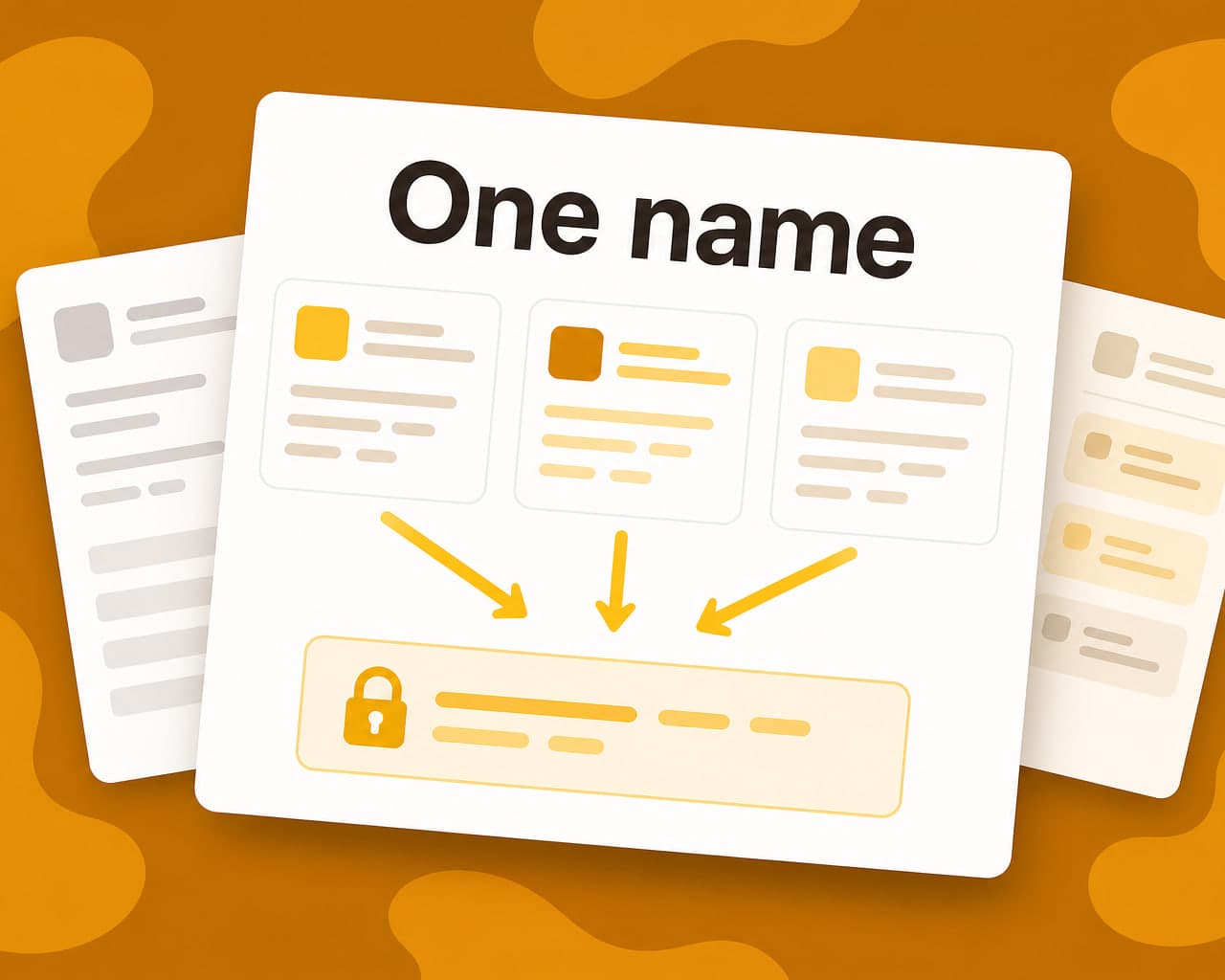
Translation memory applies one glossary across web, document and video.
Reviewers cannot fix this
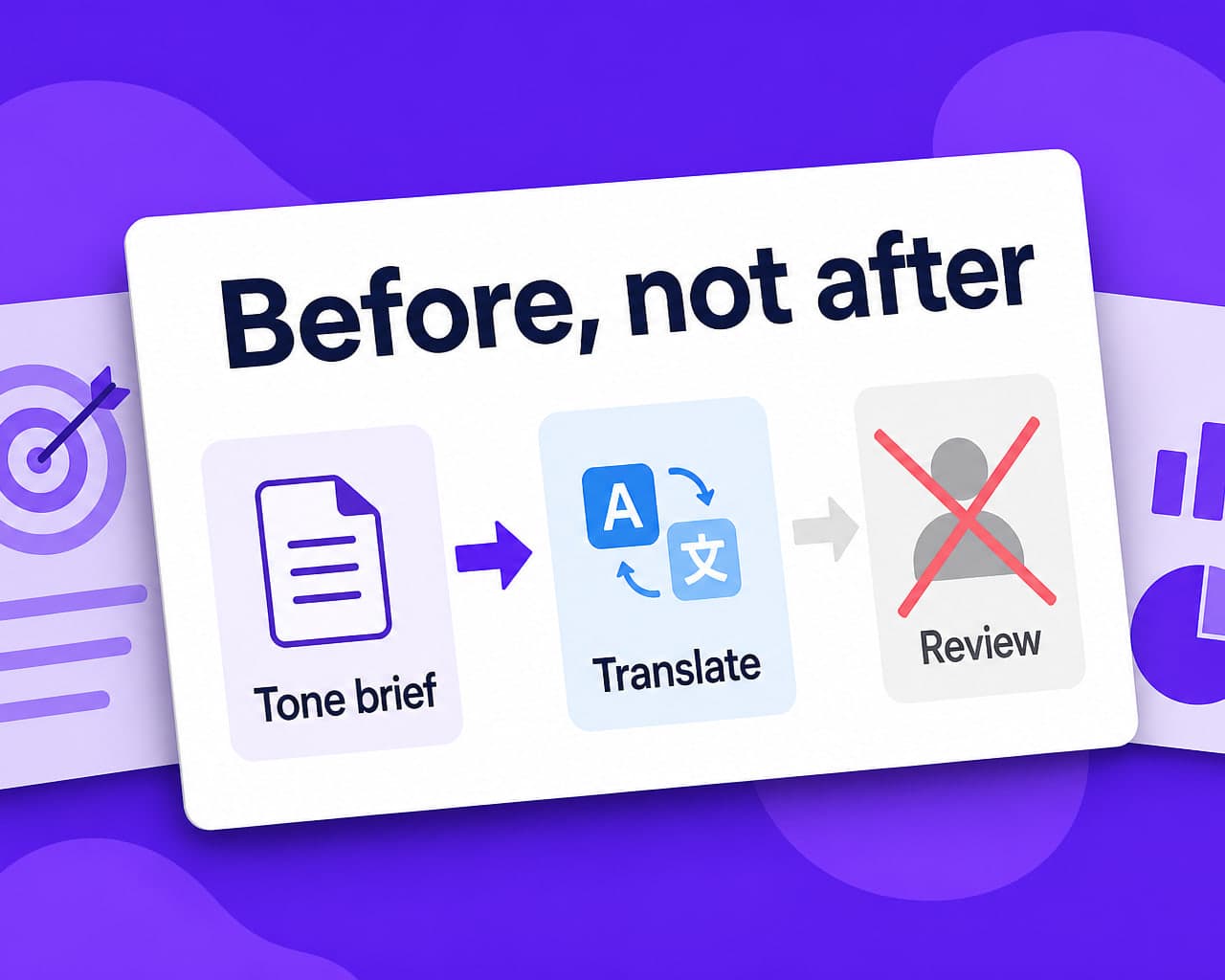
A native-speaker reviewer reads one language. They can tell you the German reads well. They cannot tell you it reads like the same insurer as the Spanish, because they never see the Spanish.
Consistency is built before translation, not inspected after.
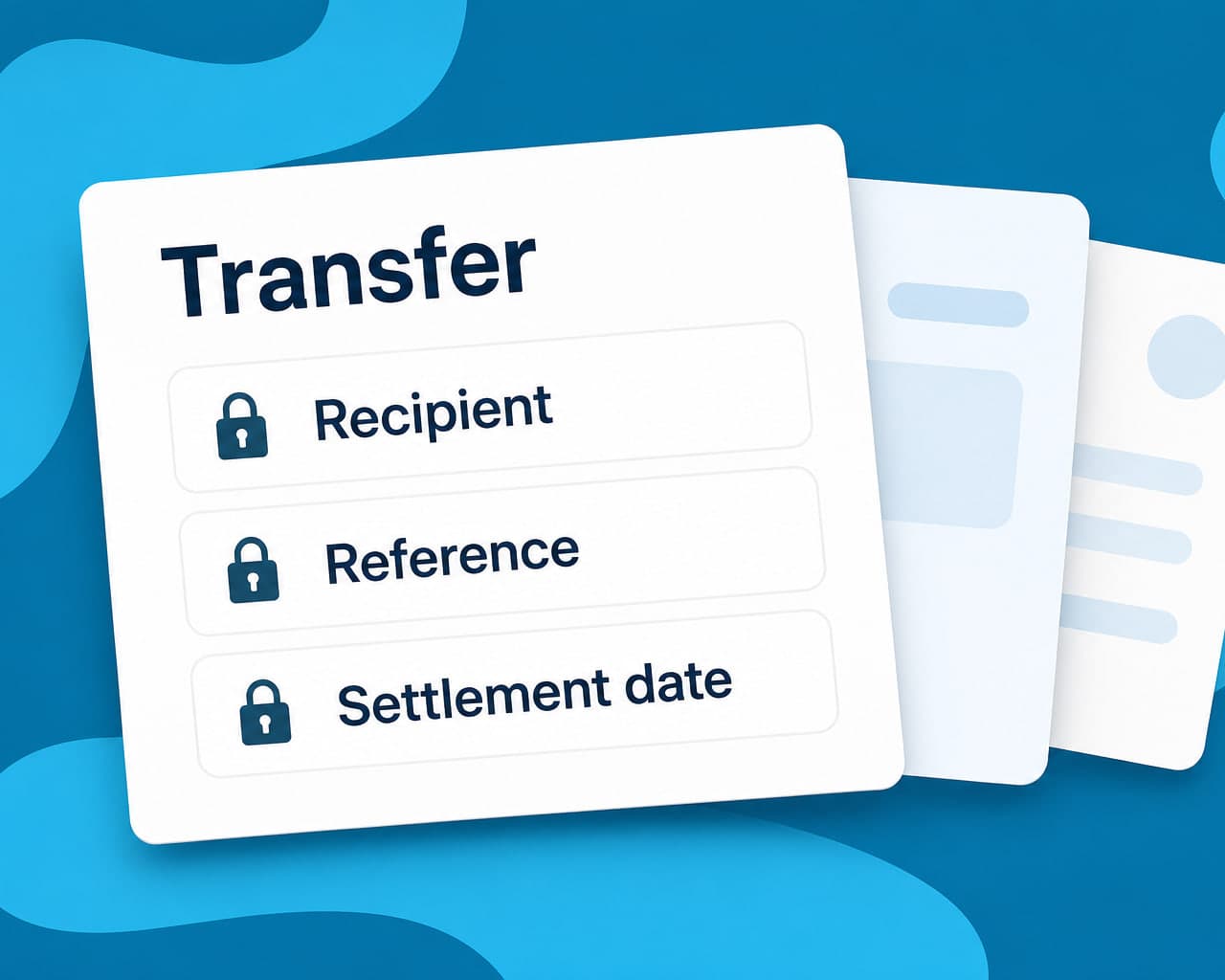
The glossary is load-bearing, and in insurance it is legal
Most industries lock product names. Insurance locks the vocabulary that decides claims.
| Term type | Usual answer |
|---|---|
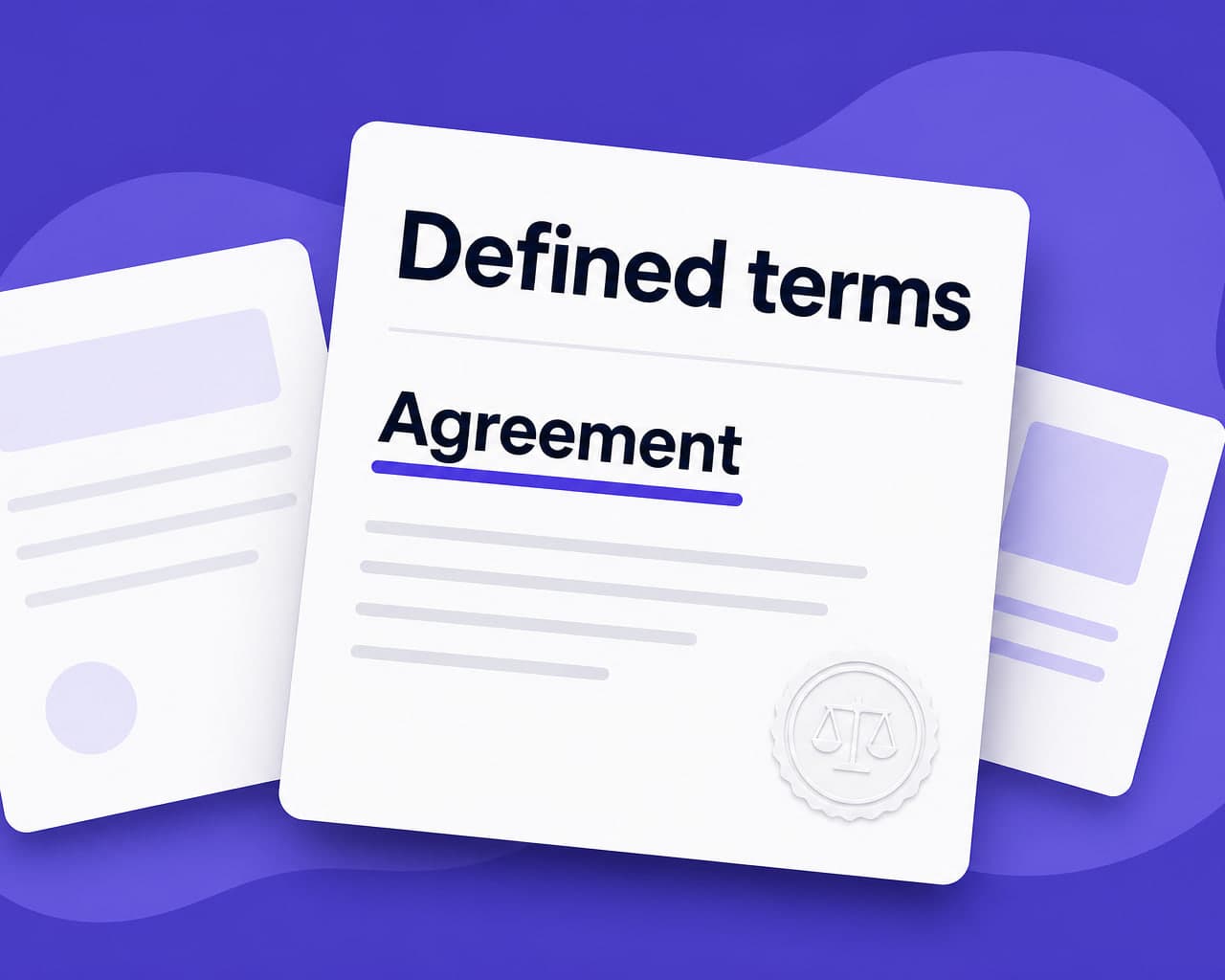
| Defined policy terms | Lock absolutely — these are contractual |
| Statutory terms | Use the market's official term, never a literal rendering |
| Product names | Usually keep in English, consistently |
| The verb for making a claim | Lock it, and never allow a synonym |
That last row causes more damage than it looks. If the app says "make a claim", the letter says "submit a request" and the policy says "notify us", a policyholder reading in a second language will reasonably conclude those are three different processes — and may do none of them in time.
Tone is a brief, not an instinct
Write two or three sentences describing how the insurer sounds and one thing it never does. "Plain, calm, never cheerful about loss" is more useful to a translator than a mood board.
Where tone genuinely must change
Formality conventions differ by language, and insurance has a second axis most categories do not: the appropriate distance when discussing death, illness and bereavement varies enormously by culture.
A tone that reads as warm and direct in one market reads as intrusive in another. Forcing one register through every language is not consistency — it is one market's register applied everywhere.
What should vary and what must not
Examples, names, currency, imagery and formality register should vary. Terminology, claims wording and disclosures must not. Document translation drawing on the same glossary as the web content is what keeps that line in the right place.
Where to start
Where the terminology shows up most visibly is creative.
Write the glossary for the twenty terms you use most, starting with the verb for making a claim. An afternoon of work, and it prevents the most common comprehension failure in translated insurance content.
FAQ
How does an insurer keep brand voice consistent across languages? By locking the contractual vocabulary first. In insurance the glossary is not a style asset - defined policy terms decide claims, so a synonym slipping into one document creates ambiguity a court may later have to resolve.
Which insurance terms must be locked in a glossary? Defined policy terms, statutory terms, product names, and above all the verb for making a claim. If the app, the letter and the policy each use a different word, a customer may conclude they are different processes.
Should insurance tone be identical in every language? No. Formality conventions differ, and the appropriate distance when discussing death, illness and bereavement varies by culture. One register applied everywhere is one market's register, not consistency.
What is the most common comprehension failure in translated insurance content? Inconsistent claim terminology. A policyholder who reads three different phrasings for notifying a claim may reasonably do none of them, and may miss a deadline doing so.