
Quick answer — Dealer training splits into product knowledge that is global and commercial content that is local. Separating them at authoring time means the global modules translate once while market rules stay owned by the market.
Vitra.ai Universe keeps one vehicle vocabulary across manual, showroom and screen.
Two kinds of content in one course
Product training explains how the vehicle works, what the systems do and how to demonstrate them. That is largely the same everywhere. Commercial training covers pricing, finance products, competitor comparisons, trade-in policy and local regulations. That is different in every market and often changes quarterly. Courses that mix the two produce a module nobody can translate cleanly, because half of it needs rewriting rather than translating.
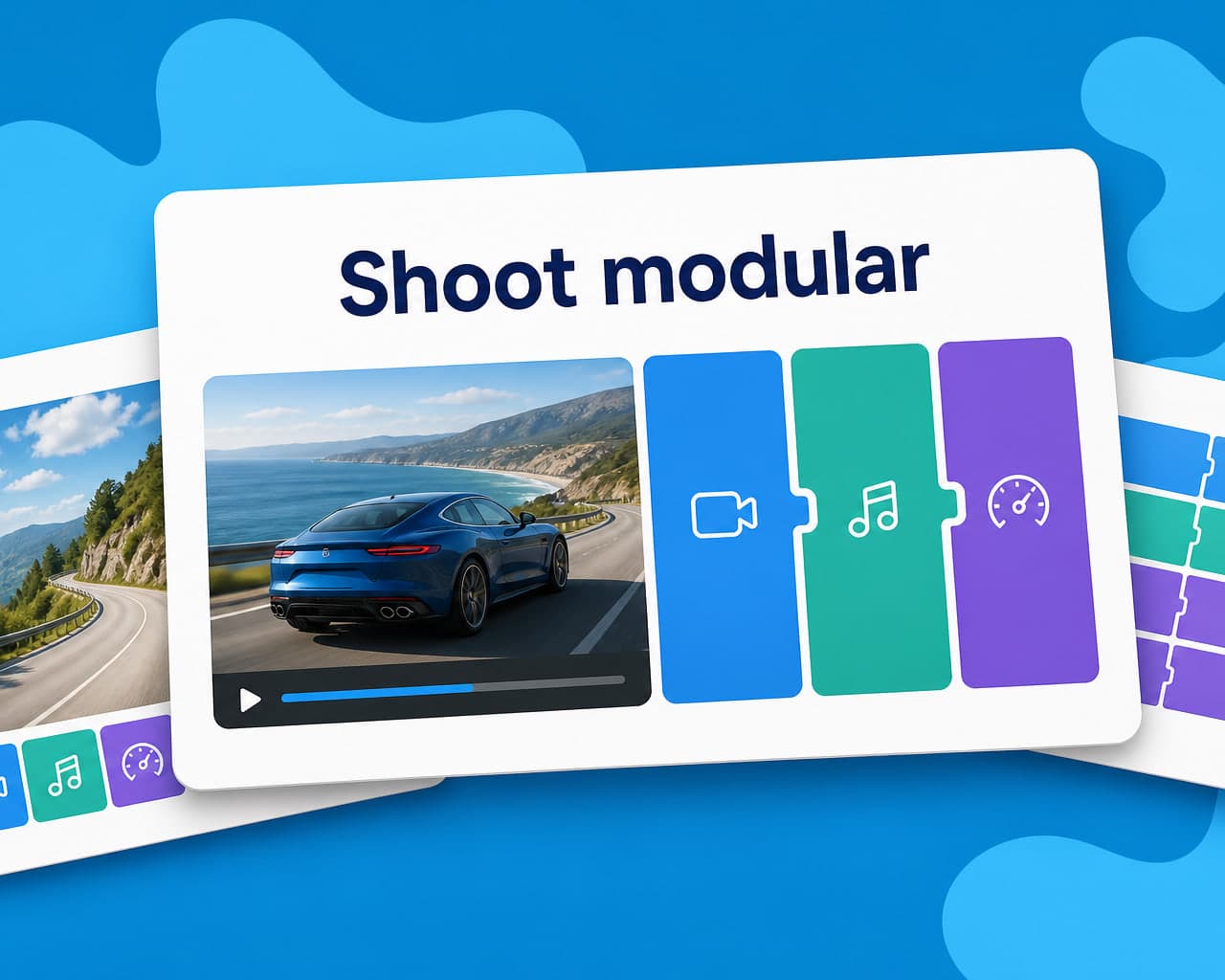
Separate them at authoring time
| Module type | Origin | Cycle |
|---|---|---|
| Product and technology | Central | Per model launch |
| Demonstration technique | Central | Stable |
| Competitor positioning | Market | Frequent |
| Finance and offers | Market | Quarterly or faster |
| Local regulation | Market | As required |
| Assessment | Both | Follows the modules |
Once split, the central modules translate once per market and stay valid for the model cycle, while local modules are authored locally and never enter the translation pipeline at all.
That single structural decision removes most of the recurring cost.
What survives translation, and what does not
Demonstration scripts translate well because they describe actions.
Comparative claims do not, because the competitor set differs and so do the rules on comparison. Role-play dialogue often needs rewriting rather than translating, since a sales conversation is culturally specific and a literal rendering sounds wrong to the people expected to use it.
Assessment questions need review too — a question translated literally can become ambiguous or accidentally give away its answer.
Production
Video dubbing handles the narration, with speaker separation where a module has several presenters, and subtitles for the markets that prefer them or where staff watch on the shop floor.
On-screen text and diagrams are pixels, so they need image translation rather than a subtitle pass — the same issue as any operator training content.
Keeping it current
A model-year change invalidates part of the course, and the modules affected should be identifiable rather than rediscovered.
Tagging modules to model years and features makes a refresh a targeted job. Translation memory with the glossary pinned means the updated module uses the same names as the owner manual and the showroom material, and quality control checks that before it reaches the network. The production pipeline behind a course set is video localization.
FAQ
How should dealer training courses be structured for translation? By separating central product modules from market commercial modules at authoring time. Product content translates once per model cycle, while pricing, finance and competitor content is authored locally.
What does not translate well in sales training? Comparative claims, because the competitor set and the rules on comparison differ, and role-play dialogue, which is culturally specific enough that a literal rendering sounds wrong to the staff using it.
What about on-screen text and diagrams? They are pixels rather than text, so a subtitle or dubbing pass leaves them untouched. They need image-level translation, which is the most common gap in localized training video.
How do you keep training current across model years? By tagging modules to model years and features so a change identifies exactly what needs refreshing, rather than triggering a review of the whole course in every language.