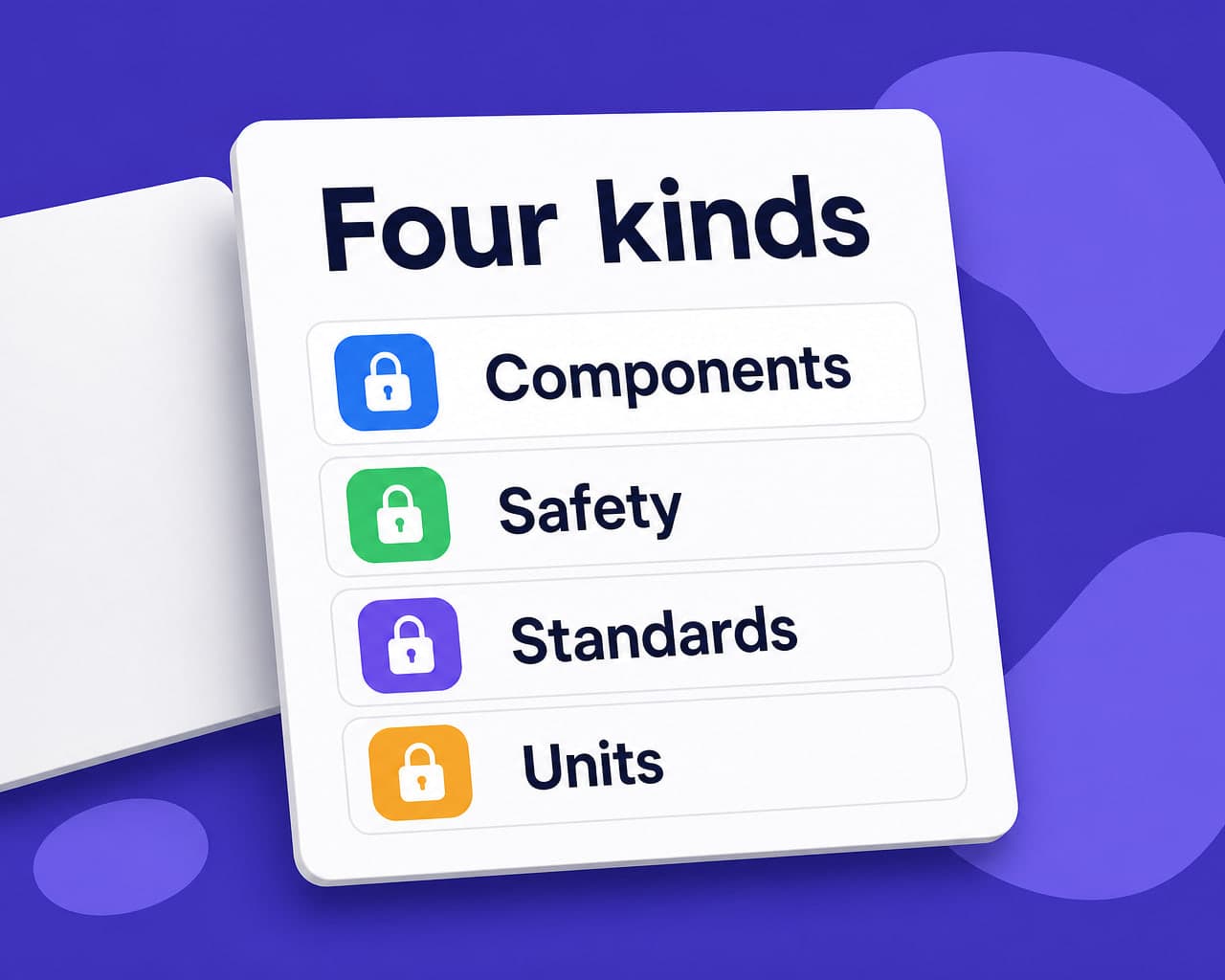
Quick answer — A manufacturing glossary should hold only terms with a consequence when they vary: component names, safety wording, standard designations and units. Short and enforced beats long and advisory.
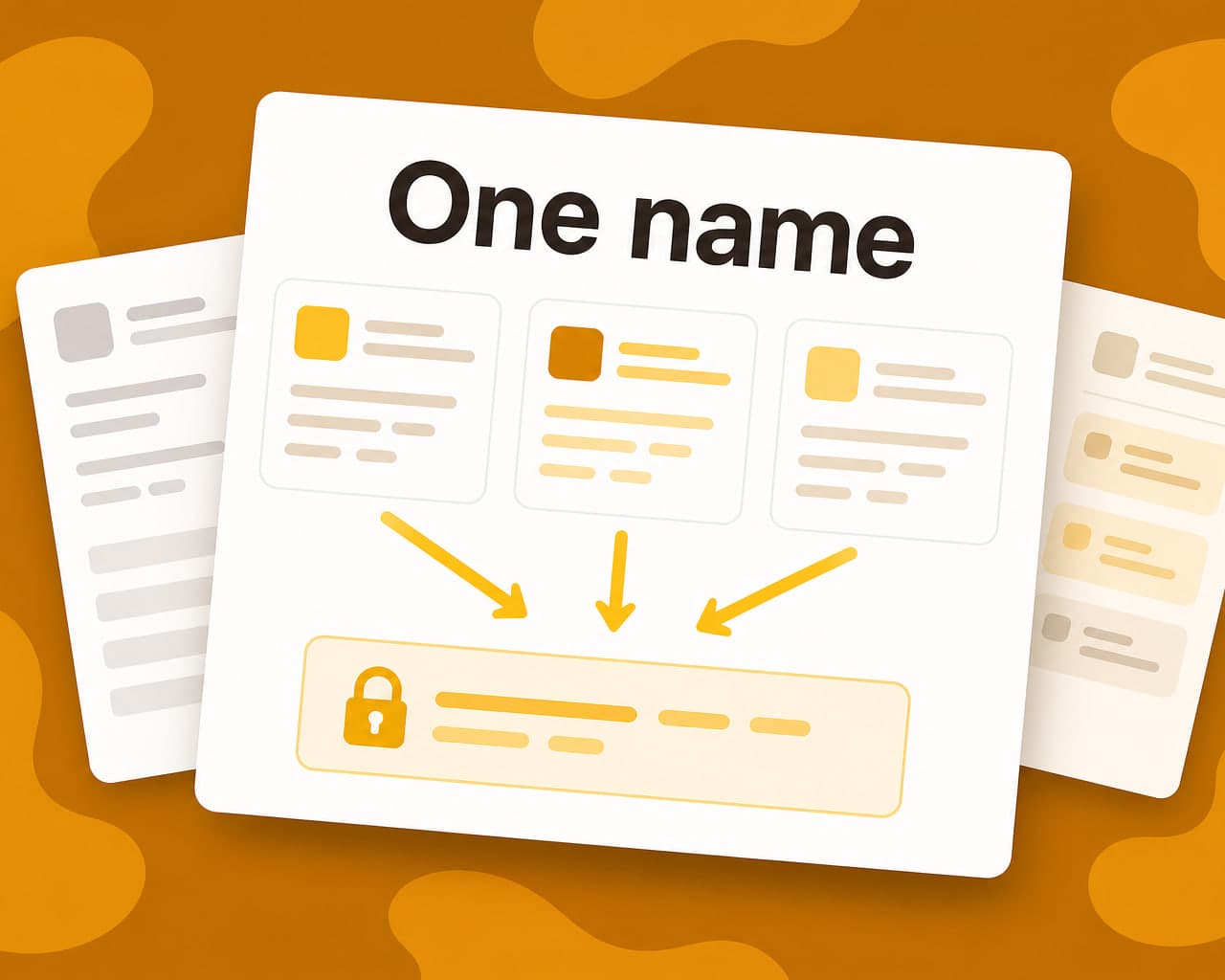
Vitra.ai Universe keeps one approved technical vocabulary across every document.
The cost of a second name
A component called one thing in the manual, another in the parts catalogue and a third on the machine plate produces a wrong order, a return, and downtime.
None of that reads as a translation problem when it happens. It reads as a supply problem, which is why the glossary rarely gets funded until someone traces it back.
What earns a place
| Include | Why |
|---|---|
| Component and assembly names | Ordering depends on them |
| Machine and model designations | Findability and support |
| Safety and warning phrasing | Wording is the control |
| Standard and certification designations | Official forms only |
| Units and their presentation | Ambiguity is expensive |
| Compliance-mandated wording | Not a style choice |
| Do-not-translate items | Part numbers, codes, marks |
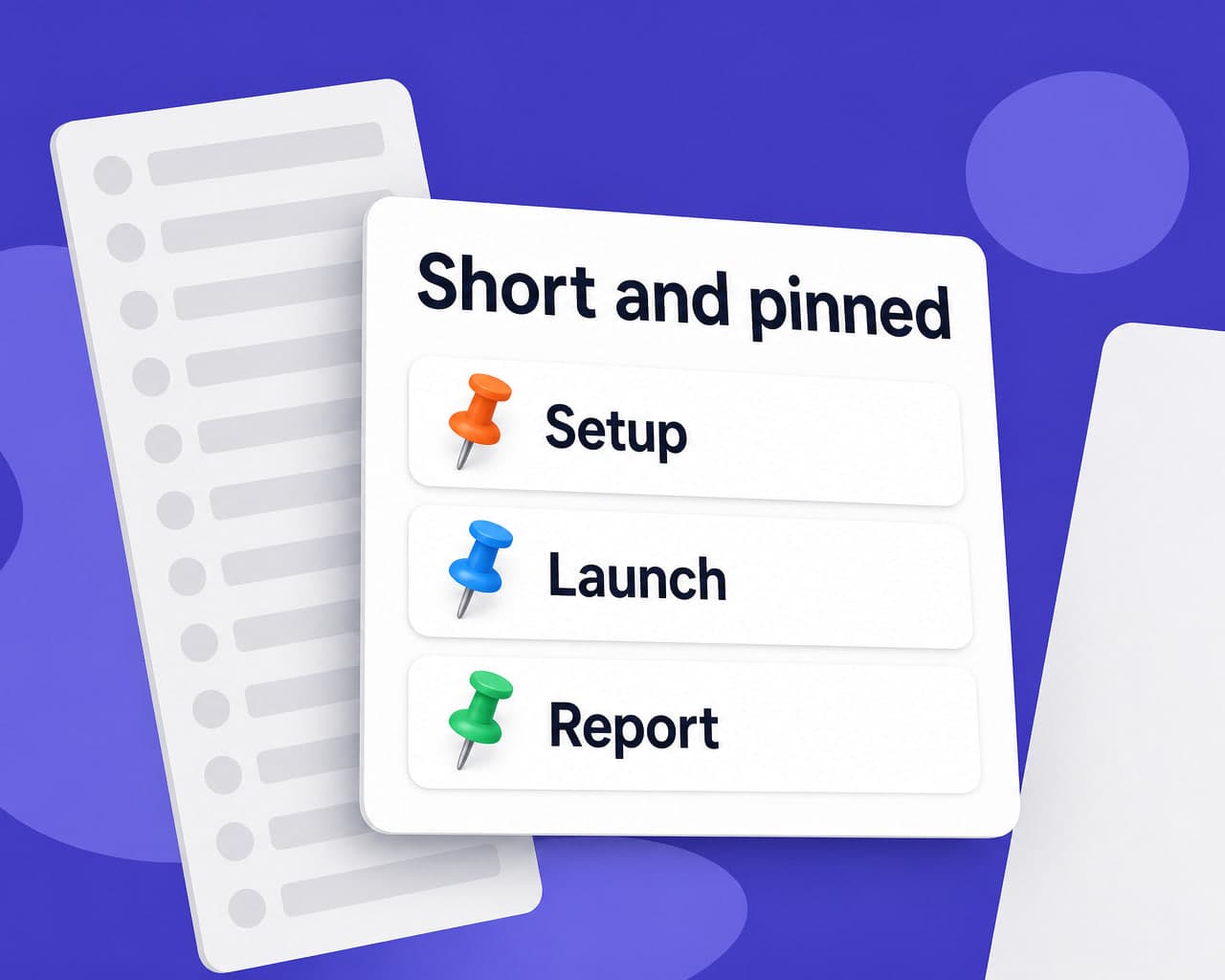
What does not belong: general vocabulary, anything a competent technical translator resolves correctly, and preferences with no consequence. Those go in a style guide, which is a different document. Start near forty terms. A four-hundred-term glossary is a document people consult occasionally rather than a control that applies.
Pinning is the mechanism
A glossary that is advice changes nothing. A pinned term resolves identically regardless of context and cannot be overwritten by a general memory match, which is what makes it binding rather than aspirational.
Applying it at translation time also removes the most common review finding, which frees reviewers for judgement.
Ownership
One owner per language, named. Engineering decides what a component is called; the local owner decides how that is expressed; nobody else changes it.
Review quarterly, and treat every reviewer correction as a candidate entry — a term corrected twice should have been pinned the first time. The quality control record is where that pattern is visible.
Version it with the products
When someone asks in three years why a warning was worded a particular way, the answer is a glossary version — and it has to still exist, alongside the manuals it governed.
One vocabulary across every asset is brand consistency across languages.
FAQ
What belongs in a manufacturing glossary? Terms with a consequence when they vary: component and assembly names, model designations, safety wording, standard designations, units, and protected items such as part numbers.
How long should it be? Short enough to be correct, starting near forty terms. A four-hundred-term glossary becomes a document people occasionally consult rather than a control that actually applies.
What makes a glossary binding rather than advisory? Pinning. A pinned term resolves identically regardless of context and cannot be overwritten by a general memory match, and it is applied at translation time rather than checked afterwards.
Who should own it? Engineering decides what a component is called and a named owner per language decides how that is expressed. Reviewer corrections are the best source of new entries.