Quick answer — Photo captions carry factual claims and credits carry contractual obligations, so both need the same care as body copy. Agency crediting rules are usually fixed and must not be translated or reformatted.
Vitra.ai Universe turns one story into every edition.
Captions are reporting
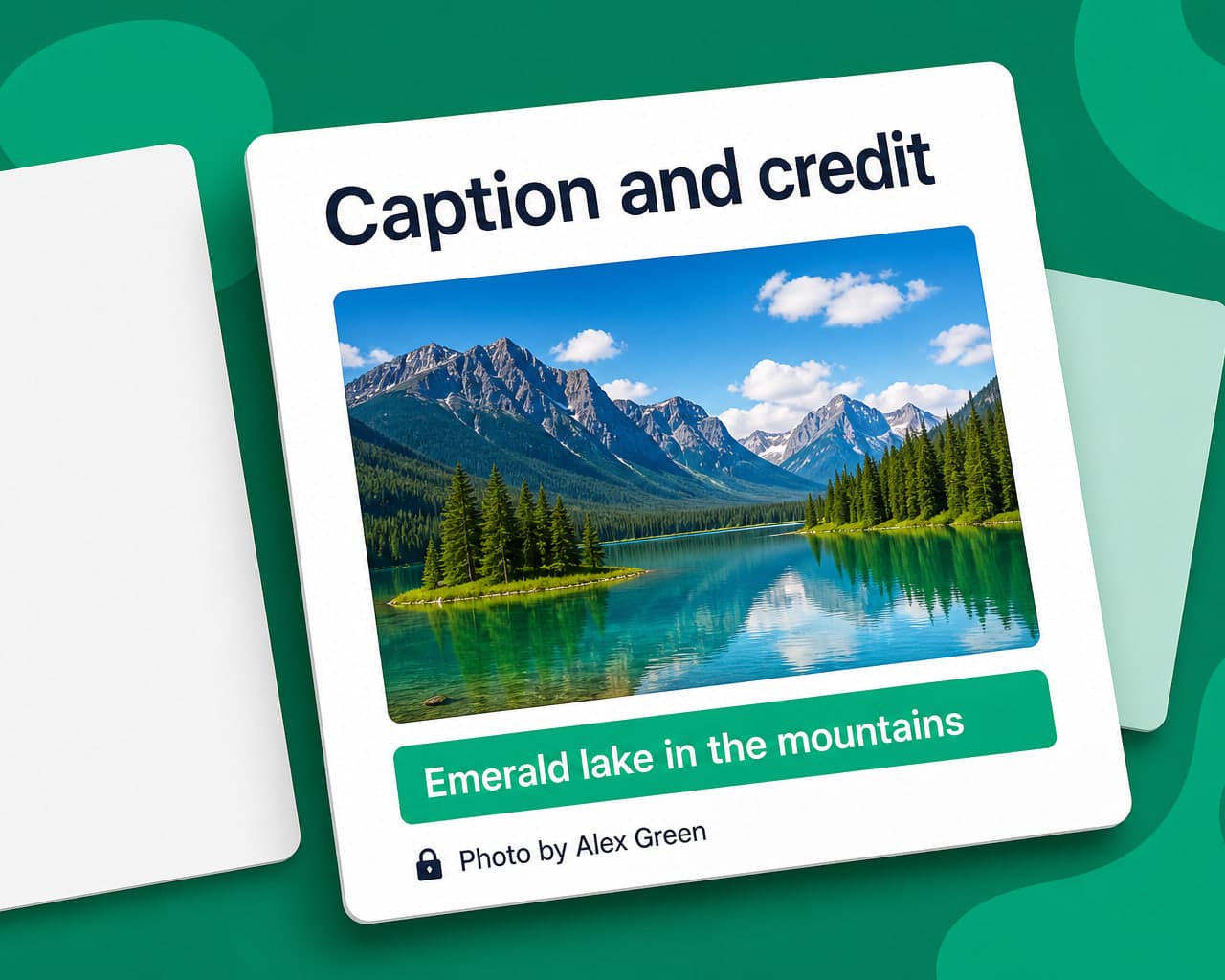
A caption states who is in the frame, where it was taken and when. Those are factual claims with the same exposure as anything in the body text.
They are also produced under time pressure at the end of the process, by whoever is publishing, which is why they carry a disproportionate share of corrections.
What has to be exact
| Element | Requirement |
|---|---|
| Names and titles | Local house form, correct spelling |
| Location | Local place-name convention |
| Date taken | Not the publication date |
| Agency credit | Exactly as contracted |
| Photographer byline | Not translated |
| Restrictions | Carried across, never dropped |
Credits are the contractual one. Agency licences specify the credit string, and reformatting or translating it can breach the licence — so it is a do-not-translate item in the strict sense, and belongs on a protected terms list. Usage restrictions matter as much. A photo licensed for editorial use in one territory carries that restriction into every edition, and dropping the note during translation removes the only record of it.
Date confusion is the common correction
Archive images used to illustrate current stories need the date they were taken, not the date of publication.
Translating a caption that already blurred this propagates it, and readers notice when a photograph obviously predates the event described.
Text inside the image
Placards, signage and on-image graphics carry meaning a caption often does not repeat.
Those are image translation work rather than caption work, and for news photography the right treatment is usually a translation in the caption rather than altering the photograph — altering a news image is a separate and much stricter question.
Keep names in memory so a caption matches the wire copy it runs beside, and run quality control on the pair rather than the caption alone.
FAQ
Do photo credits need translating? No. Agency licences specify the credit string exactly, and reformatting or translating it can breach the licence, so credits belong on a do-not-translate list alongside restrictions.
What is the most common caption error in translated editions? Dates. Archive images need the date the photograph was taken rather than the publication date, and a caption that already blurred this propagates the error into every language.
How should text visible inside a news photograph be handled? Translated in the caption rather than altered in the image. Changing a news photograph is a much stricter editorial question than translating the words describing it.
Why do captions carry so many corrections? Because they are written last, under time pressure, by whoever is publishing. They contain factual claims with the same exposure as body copy but rarely get the same review.