Quick answer — A useful translation glossary records agreed wording and names that should not change. Bring it into the translation brief, check its use in the finished content, and give someone responsibility for keeping it current. It is one language resource inside a TMS, not a replacement for context or review.
Vitra TMS connects glossary, terminology, style, context, and adaptive memory across content formats.
Start with the corrections you keep making
A product team calls a feature “workspace.” The website translator uses one Spanish term, the tutorial script uses another, and support chooses a third. None looks obviously wrong in isolation. Together, they make the feature harder to recognize.
That is a good glossary entry.
Start with repeated reviewer corrections, product names, interface labels that appear in help content, and phrases whose variation changes the meaning. You do not need to settle every ordinary word before the next project can begin.
There is no magic number of terms. A ten-term product glossary might prevent the most expensive mistakes in a release. A specialist medical or manufacturing project may need a much larger terminology resource, with domain experts checking the definitions.
Separate wording from concepts and style
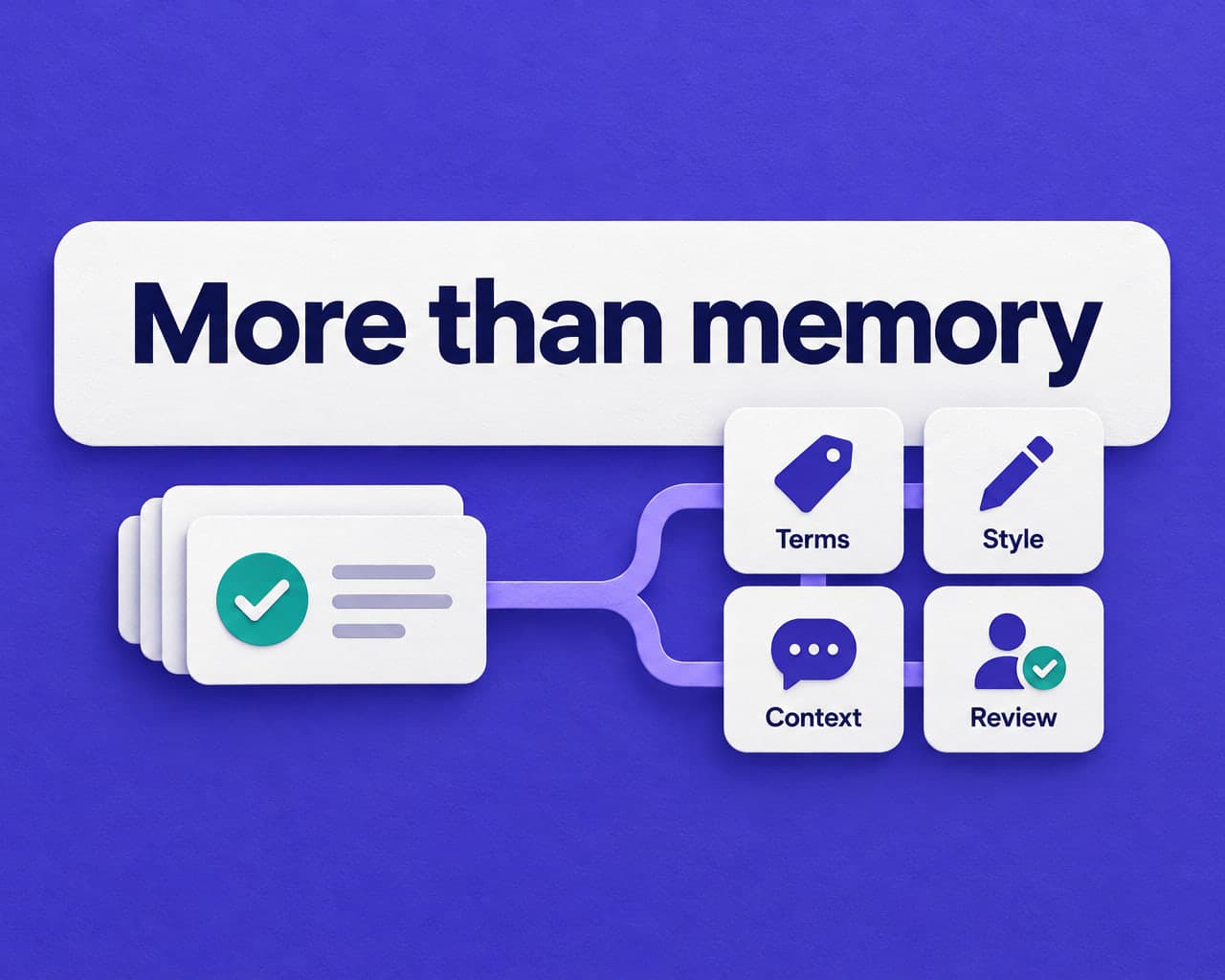
These resources answer different questions.
| Resource | Question it answers | Example |
|---|---|---|
| Glossary | What wording should this name or phrase use? | “Sign in” becomes “Iniciar sesión” |
| Do-not-translate rule | What must keep its original name? | The product name “Nova” stays “Nova” |
| Termbase | What does this concept mean, and which terms fit it? | A service fee has preferred terms and alternatives by language |
| Style guide | How should the content read? | Use direct instructions and the agreed level of formality |
| Translation memory | What wording has already been reviewed? | A previously approved help paragraph |
Vitra TB manages concepts and multilingual terms. The translation glossary provides direct wording and do-not-translate rules. Keep the two connected, but do not ask a flat word list to explain a complex concept.
Give each entry enough information to be useful
For a direct glossary, start with the source wording, target wording, language, and any do-not-translate instruction. Keep definitions, nuanced alternatives, and usage notes in the terminology or context resource where the team can find them.
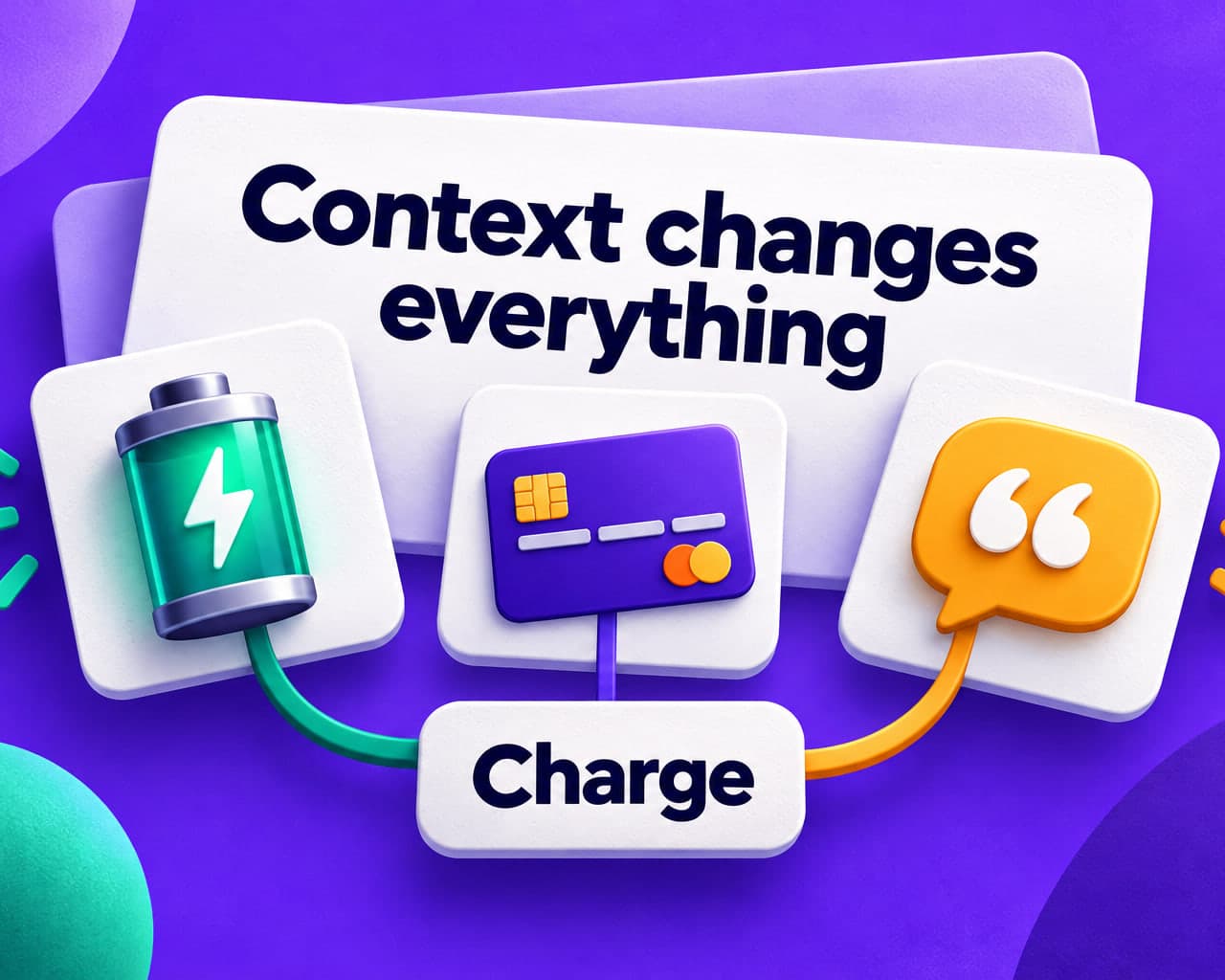
For example, the English word “charge” is not a useful universal glossary rule. Battery instructions, payment statements, and a legal case need different treatment. Separate the relevant product or domain resources instead of making one entry apply to all three.
A glossary should settle a decision that can reasonably be settled. It should not hide an ambiguity.
Use the glossary before review, and during it
Attach the relevant language resources when the job starts. Reviewers should receive the same agreed wording, not a different spreadsheet forwarded halfway through the project.
Then check the finished surface. A term that works in a document might need a shorter approved variant in an app button. An image headline may need a line-break change. A video script must still sound natural when spoken.
Keep those exceptions deliberate. A glossary is useful guidance for consistent output; it is not proof that every occurrence is grammatically or legally correct.
Keep ownership clear
Assign an owner who can decide whether a proposed change belongs in the glossary. Bring in regional and subject specialists when their expertise is needed, especially for regulated or technical language.
Use reviewer corrections as evidence. If several people keep changing the same phrase, ask whether the source is ambiguous, the agreed term is wrong, or the rule was never attached to the job. Those are different problems.
In Vitra TM, reviewed translations can remain available for future work. Do not treat every AI draft as an approved language decision. Keep the status clear, and revisit affected content when a product name or meaning changes.
A manufacturing team can begin with its recurring component names and safety instructions; see the manufacturing glossary guide for that more specific job.
FAQ
How long should a translation glossary be?
Start with the names and phrases that cause real confusion or repeated corrections. There is no universal term count. A small, reviewed glossary is more useful than a large list whose translations nobody has checked.
What belongs in a glossary rather than a style guide?
A glossary specifies wording for names and phrases, including do-not-translate rules. A style guide explains tone, formality, punctuation, and regional writing conventions. A concept-based termbase can hold preferred terms, alternatives, and usage guidance.
How do you keep glossary wording consistent?
Attach the relevant glossary to the translation job, make its wording clear to reviewers, and check the finished asset for exceptions. Do not assume that a glossary removes the need to review grammar, meaning, or regulated claims.
Who should own a translation glossary?
Assign an accountable owner and a qualified reviewer for each relevant language or domain. Let product, legal, and regional specialists propose changes, and record which wording has actually been approved.