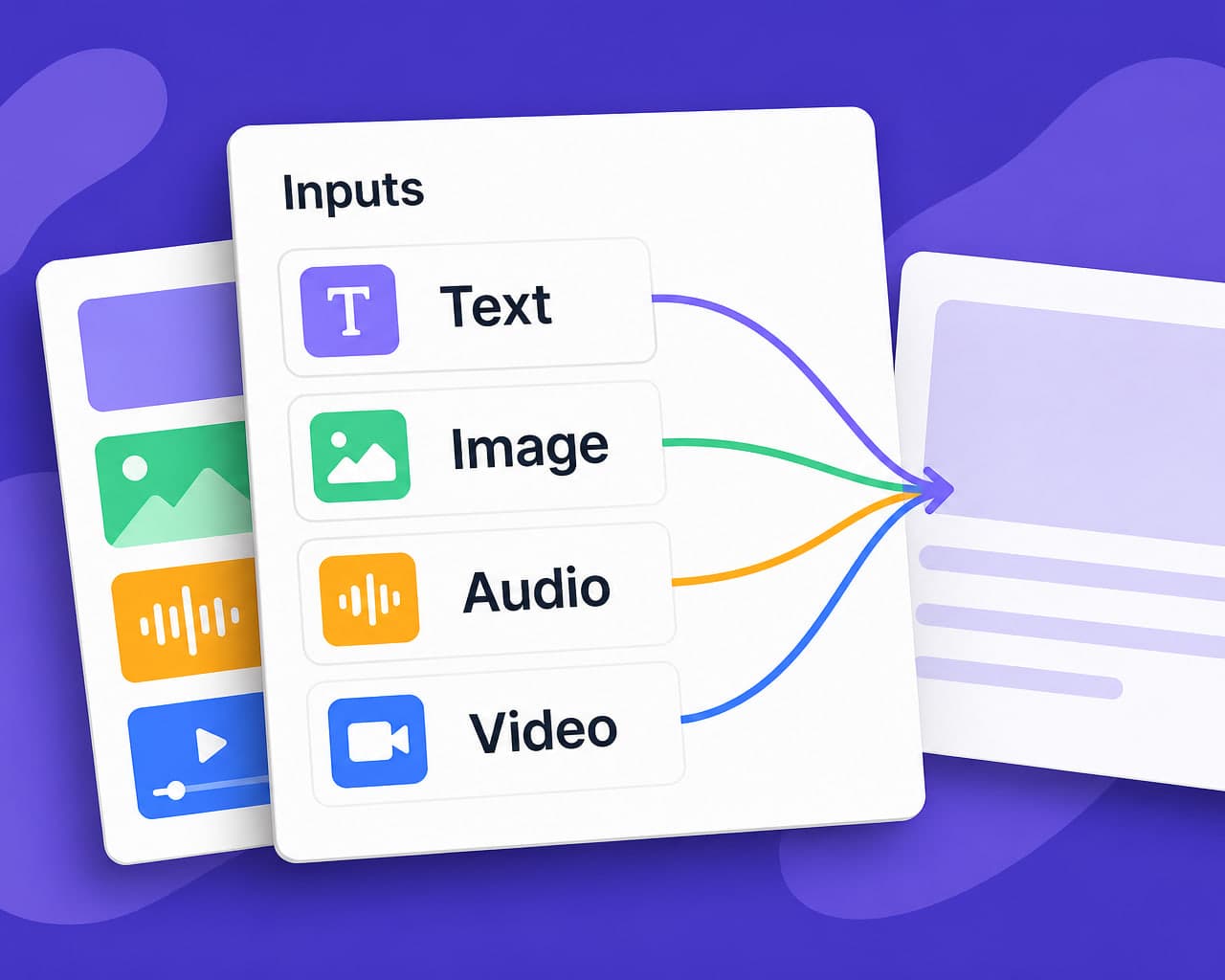
Quick answer — Text goes straight to a language model. Images get an explicit-content screen first. Audio is transcribed and then read. Video is all three at once — frames screened, audio transcribed, and both judged together against the same rules.
Quality control runs all four through one rule pack.
One rulebook, four pipelines
The rules are identical across modalities — the same market pack applies whether you are checking a headline or a thirty-second film. What differs is everything that happens before the rules are applied.
| Modality | Pipeline |
|---|---|
| Text | Straight to the language model. No classifier stage |
| Image | Explicit-content screen, then cultural scoring |
| Audio | Transcribe, then score the transcript |
| Video | Sample frames, screen them, transcribe the audio, score both together |
Text skips the classifier entirely
There is no image model to run, so text goes directly to cultural scoring. The one addition is a prompt-injection guard: the content is wrapped in delimiters with an explicit instruction to treat everything inside as material under review rather than as instructions.
That matters more than it sounds. User-supplied copy is untrusted input, and a moderation system that can be talked out of moderating is not one.
Images gate before they score
The explicit-content classifier runs first and its verdict short-circuits everything. This is a cost decision as much as a safety one — the classifier is cheap and local, the language model is not, so a blocked image never reaches the expensive stage.
Audio is a transcription problem wearing a moderation costume
The audio is decoded to mono 16 kHz, chunked and transcribed. The transcript then goes through the same cultural scoring as text, framed so the model knows it is reading speech — which changes what it looks for, towards profanity, slurs and threats rather than visual taboos.
One deliberate behaviour: no speech detected is a terminal result, not a retry. Silence is an answer, and retrying it wastes money.
Video is where it gets interesting
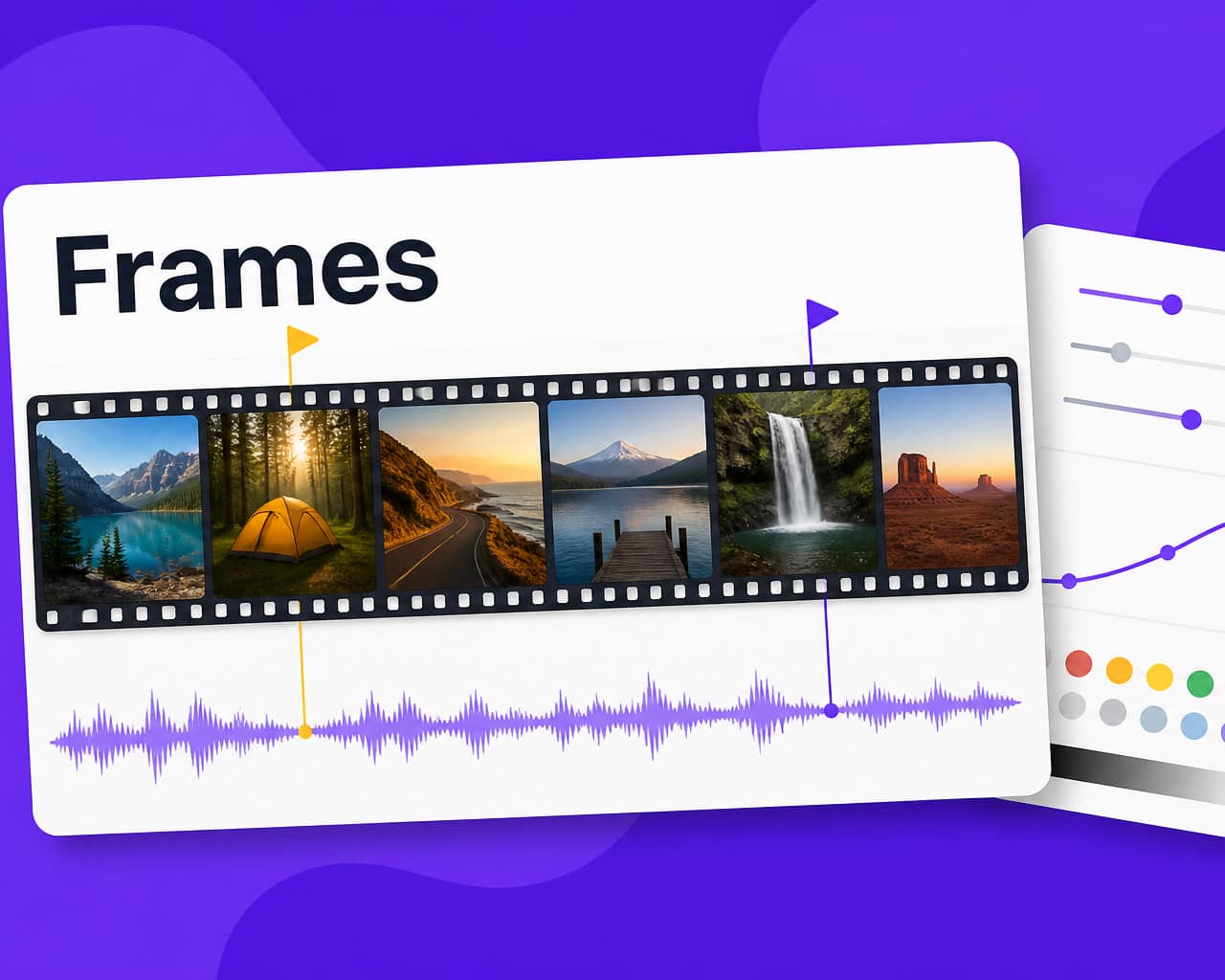
Frames are sampled on a hybrid schedule — a uniform interval plus every detected scene change, deduplicated so no two frames sit closer than half a second. That combination matters. Uniform sampling misses a two-second cut; scene detection misses a slow problem inside one long shot.
Then the frames and the transcript are scored together, in one call, with the model told explicitly that a violation in either the visuals or the speech counts against the rule. A clean voiceover over a problematic image is not a pass.
Long videos are chunked, and the chunk results merge worst-wins: the lowest score for each rule survives, and the worst verdict decides.
What this means practically
A thirty-second video is not one check. It is dozens of frame classifications, a transcription, and multimodal scoring calls that get merged. That is why video costs more per asset than an image and why it is asynchronous.
Where to start
For dubbed content the transcript checked is the one dubbing produced, so the check runs on what ships.
Check one asset in each modality from the same campaign. The differences in what gets flagged will tell you more about your creative than about the tool.
FAQ
What does multimodal content moderation mean? Applying one set of rules across text, image, audio and video, with a different pre-processing pipeline for each. The rulebook is shared; how content reaches the rules is not.
How is video content moderation different from image moderation? Video samples frames on a uniform interval plus every scene change, transcribes the audio, then scores frames and speech together in one call. A clean voiceover over a problematic image is not a pass.
Does text moderation need an image classifier? No, text goes straight to cultural scoring. It does need a prompt-injection guard, because user-supplied copy is untrusted input and a system that can be talked out of moderating is not one.
Why does audio moderation transcribe first? Because the rules are written in language, so the audio is decoded, chunked and transcribed, then scored as speech - which shifts the focus towards profanity, slurs and threats rather than visual taboos.