Quick answer — Image content moderation checks whether a picture is acceptable in a specific region, not merely whether it is permitted. Regional rules, cultural appropriateness, validity and audience acceptance are scored separately, with an auto-fix for flagged images.
Vitra.ai Universe translates the layer, then checks the result.
Permitted is a low bar
Classic moderation asks whether an image is prohibited. Almost all brand creative passes that, and passing tells you very little. The question that decides whether an advert works is whether this audience, in this place, accepts it. Those are different tests and only one of them predicts performance.
The five things scored
| Dimension | What it asks |
|---|---|
| Regional rules | Is this compliant where it will run |
| Cultural appropriateness | Will it offend, or land as intended |
| Regional appropriateness | Is the setting, dress and casting right here |
| Validity | Is what it depicts and claims accurate |
| Acceptance | Would this audience actually welcome it |
Each is scored separately with severity weighting rather than collapsed into an average, because a small styling note and a serious cultural failure are not comparable and should not offset one another.
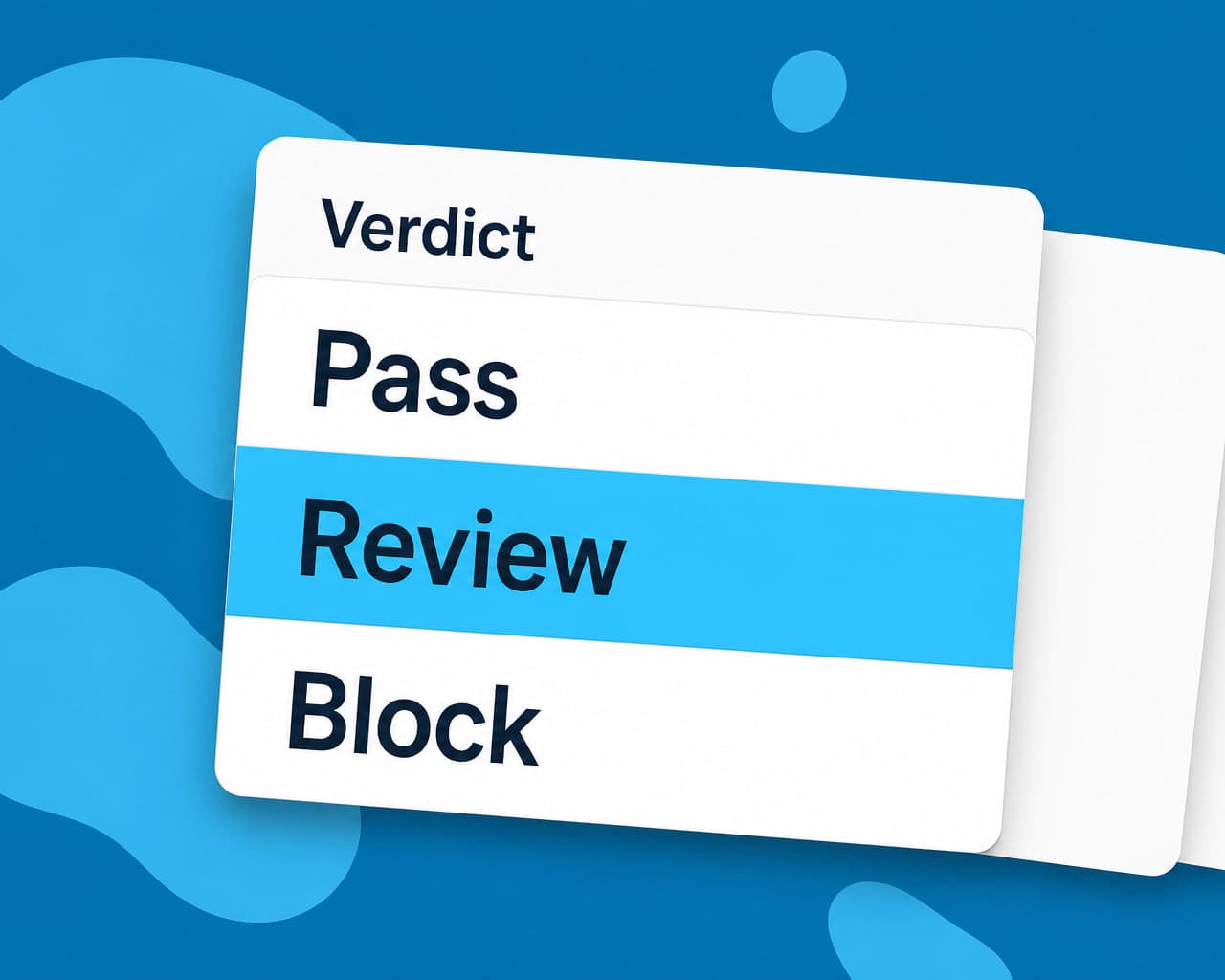
The output is a verdict — approved, review or blocked — with the findings that produced it, through quality control.
What actually trips
Gestures, most often. A hand sign that is friendly in one country is obscene in another, and it is rarely the thing anyone thought to check.
Then casting and dress, where an image reading as aspirational in one market reads as excluding in the next. Then setting — an interior that is unremarkable in one country signals wealth or poverty somewhere else. Then symbols and colour, which carry meanings that do not travel.
Alcohol, skin, religious imagery and depictions of family structure all have regional rules that differ sharply and change over time.
Fixing rather than rejecting
The verdict is not the useful part. What follows it is.
A flagged image can be regenerated into a version appropriate for that region — different casting, different setting, the offending element removed — straight from the decision, using image creation conditioned on the same brand kit. No design queue, no reshoot.
Genuine judgement calls route to a reviewer in that market, which is the right destination for a cultural question and the reason scoring matters: it makes sure only real questions arrive there.
An advert only works if the audience accepts it, and that is a higher standard than whether it was allowed.
The rest of the moderation stack
Each modality needs its own pipeline, set out in multimodal content moderation, with video the hardest because it changes across a clip.
For marketing specifically, brand-safety review is a different job from platform moderation, and cultural compliance checking is the per-region layer that decides whether an asset lands or offends.
FAQ
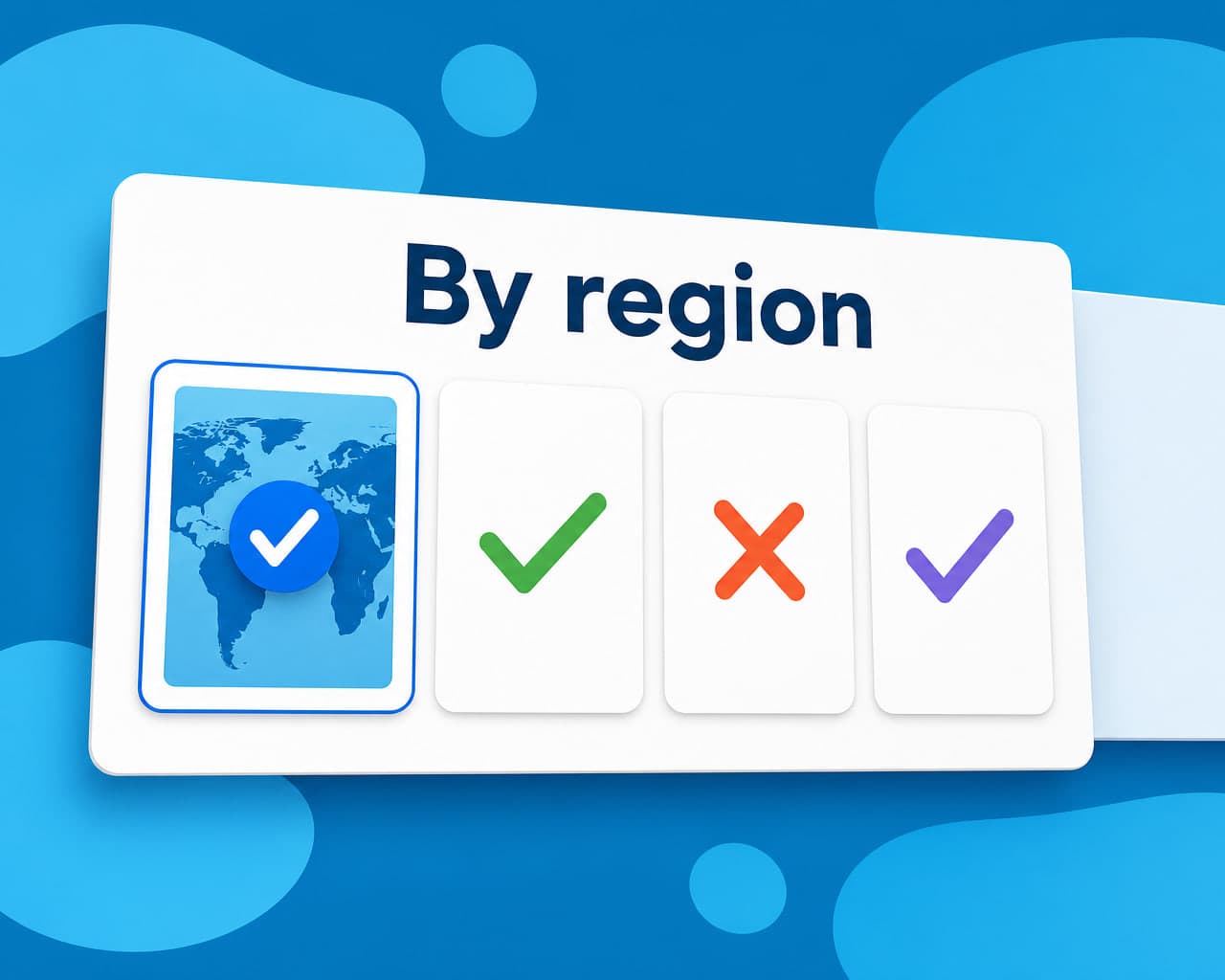
What is the difference between image moderation and regional checking? Moderation asks whether an image is prohibited, which most brand creative passes. Regional checking asks whether it is acceptable to a specific audience, covering cultural fit, local rules and casting.
What is scored when checking an image for a market? Regional rules, cultural appropriateness, regional appropriateness of setting and casting, validity of what is depicted, and whether the audience would accept it — each weighted by severity.
What most often causes an image to fail in another market? Gestures, then casting and dress, then setting. A hand sign that reads as friendly in one country is offensive in another, and it is rarely something the original team thought to check.
What happens to a flagged image? It can be regenerated for that region with different casting, setting or the offending element removed, conditioned on the same brand kit. Genuine judgement calls route to a reviewer in that market.