Quick answer — Checking a translated image means checking the rendered picture, not a string export. Proofreading, back-translation and a region-aware pass run on the output and return approved, review or blocked with the findings behind it.
Vitra.ai Universe translates the layer, then checks the result.
You cannot review what you cannot read
Text in a design file is reviewable as strings. Text in a rendered image is not — it is pixels, and a reviewer scrolling a spreadsheet of source and target has no idea whether the German headline was clipped, shrunk to eight point, or placed over the model's face.
So the check has to run on the picture that ships.
What gets checked
| Check | Catches |
|---|---|
| Proofreading | Grammar, register, domain error |
| Back-translation | Meaning drift that reads perfectly |
| Terminology | A product name that changed |
| Regional rules | A claim needing substantiation here |
| Cultural fit | Imagery that fails in this market |
| Brand | Wrong palette, logo misuse, clear space |
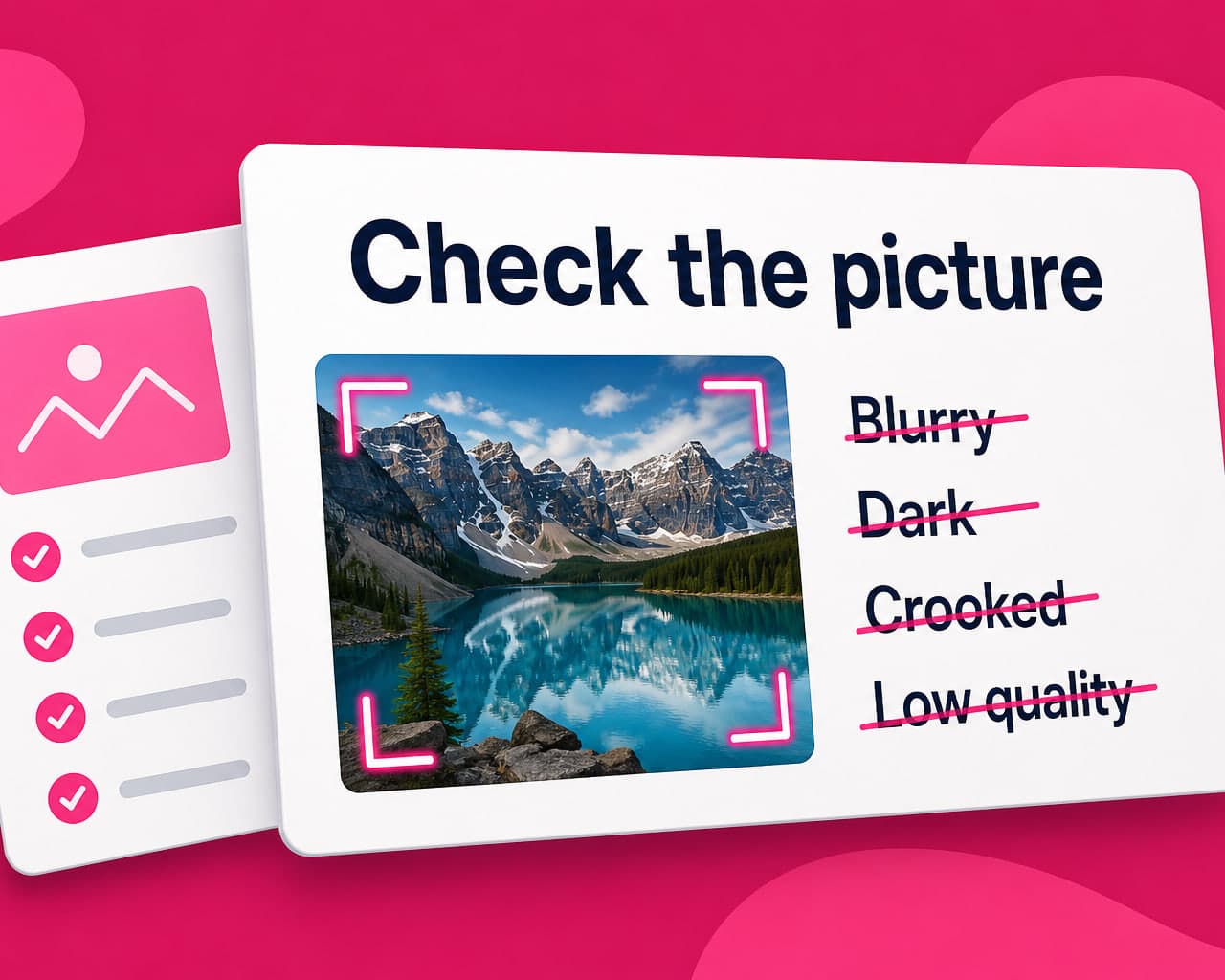
| Rendering | Clipping, overflow, illegible type |
The proofreading pass reads as both a language expert and a subject-matter expert, which is what separates it from a grammar check — a caption can be perfect German and wrong about what the product does.
Back-translation is aimed at the failure that fluency hides. A claim that lost its qualifier reads confidently and is now a different claim.
Verdicts, not scores
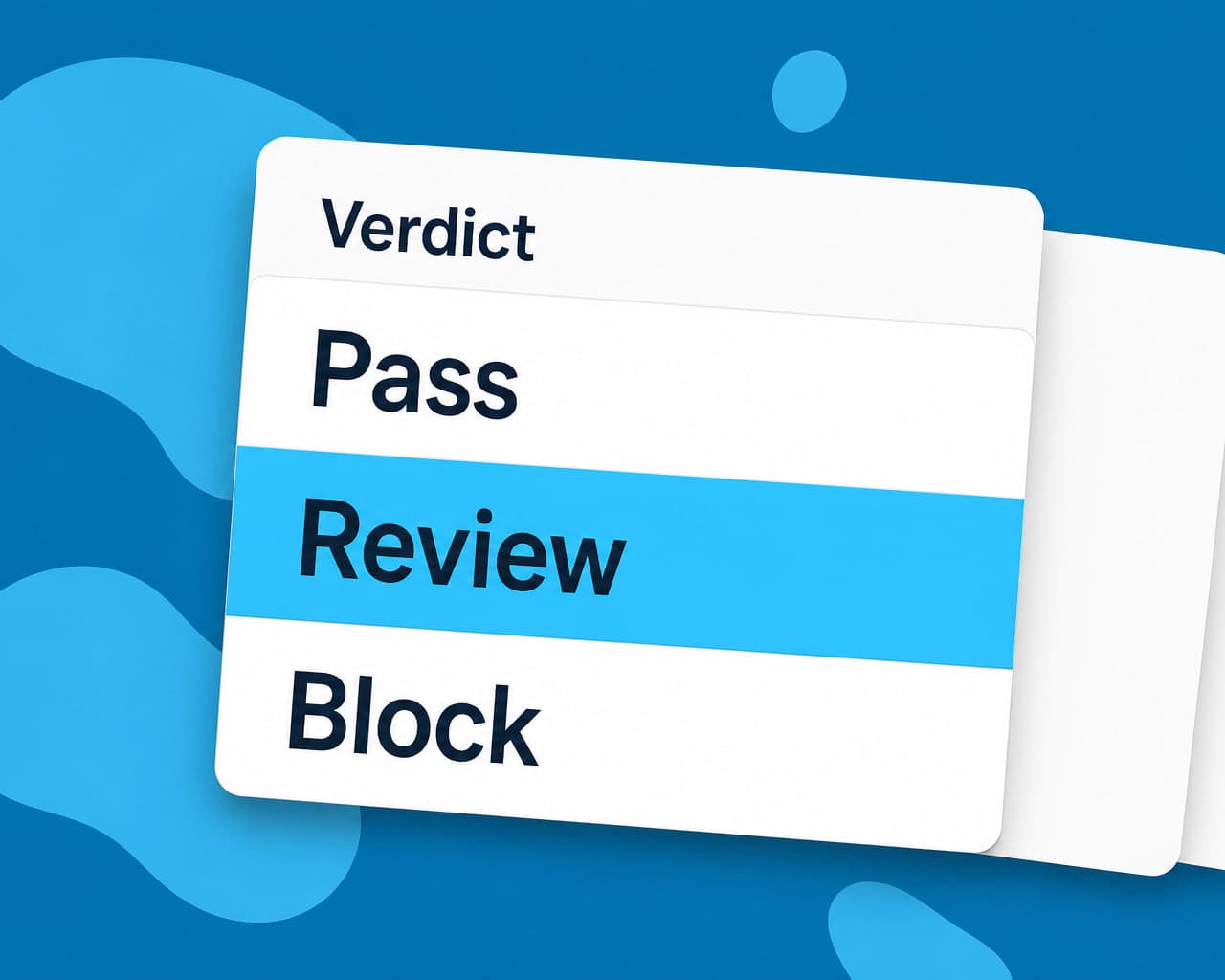
A number is not actionable. Eighty-seven out of a hundred leaves somebody deciding whether to publish and nobody knowing. Quality control returns approved, review or blocked with the specific findings, which a workflow can route on and a person can disagree with. Cultural scoring is severity-weighted per region rather than averaged, so a minor note and a serious failure do not cancel out.
From flagged to fixed
A flagged image can be regenerated into a version appropriate for that region straight from the verdict, rather than rejoining a design queue two weeks out.
Where the fault is wording, the correction writes back to translation memory so it does not recur.
Where the human stays
Cultural judgement, and anything with legal consequence.
The point of automating the mechanical checks is not to remove the reviewer. It is that fifty files reach them as three findings rather than fifty files, so the review is a decision instead of a search — the same argument as routing review by risk.
FAQ
How do you quality check a translated image? On the rendered image rather than a string export, since the text is pixels. Proofreading, back-translation, terminology, regional rules, brand compliance and rendering faults are all checked on the output.
What does back-translation catch in image creative? Meaning drift that reads perfectly in the target language — a claim that lost its qualifier, a negation dropped, a scope widened. These are invisible to anyone reading only the translated text.
Why return a verdict rather than a quality score? Because a score leaves the publish decision unmade. Approved, review or blocked with the findings attached can be routed automatically and challenged by a person who disagrees.
Does automated image checking replace reviewers? No. It means fifty files arrive as three findings instead of fifty files, so the reviewer makes a decision rather than conducting a search. Cultural and legal judgement stays with people.