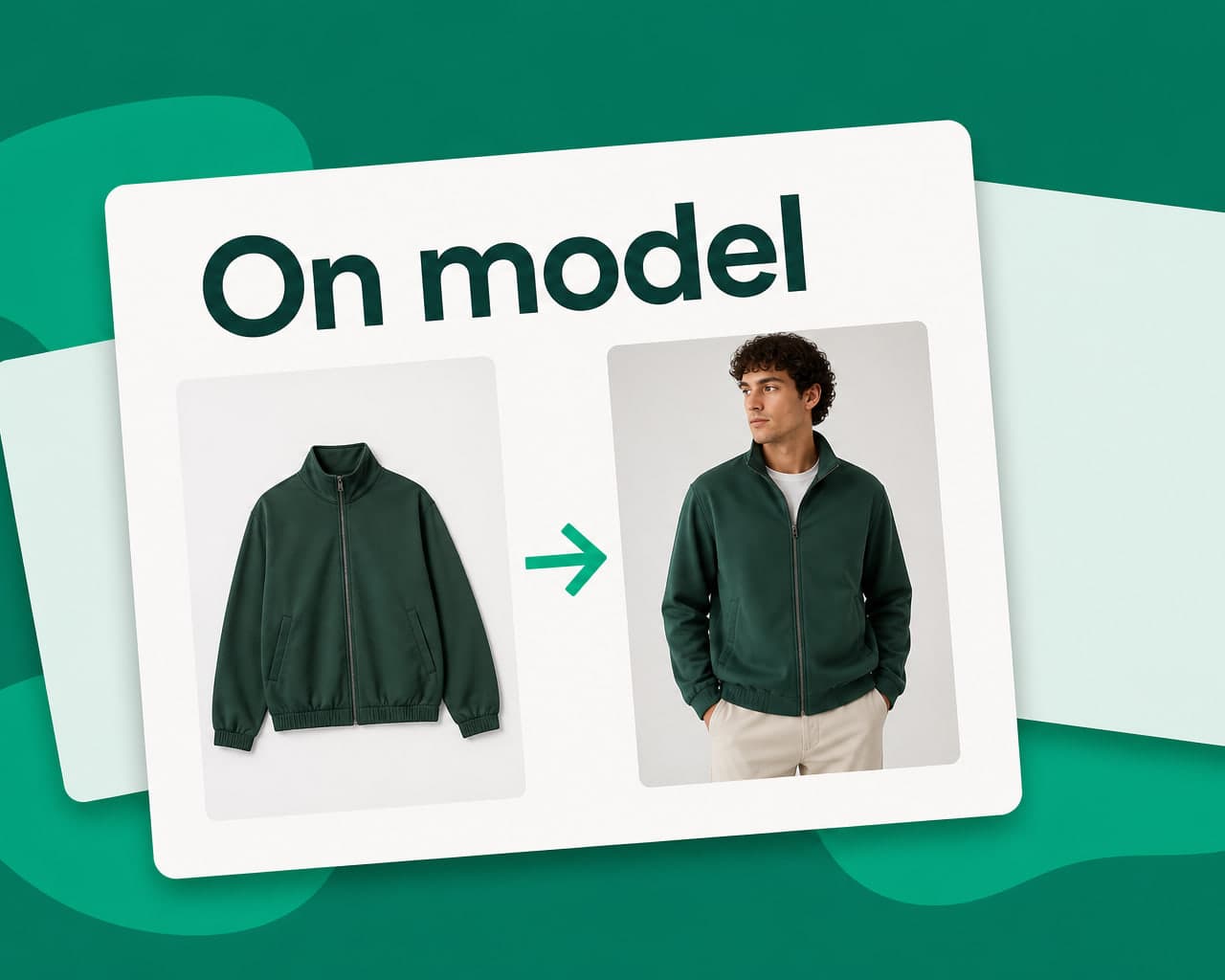
Quick answer — AI fashion model images put a photographed garment onto a generated person, so one capture yields on-model shots for several markets. Fit is where it breaks — a garment that drapes wrong on screen comes back as a return.
Vitra.ai Universe generates, adapts and translates the whole set.
Why brands want this
On-model beats flat lay on almost every apparel metric, and on-model is the expensive shot. Model day rate, agency fee, studio, stylist, and a booking that has to be repeated when the range refreshes. Generation changes the arithmetic. One garment capture becomes on-model imagery, and the model can differ by market without a second booking. That last part is the real draw for anyone selling across regions.
What it does well
Presenting a photographed garment on a body, at a range of scales and skin tones, with consistent framing across a catalogue. Backgrounds and poses that match your brand kit rather than whatever the studio had that day.
Image creation does the render, and image personalization produces the market variations from the same source.
Consistency is the underrated part. A range shot over three days in changing daylight never quite matches, and a generated set does.
Where it breaks
Fit. A generated body wears the garment the way the model thinks cloth behaves, not the way that cloth behaves, and the error is largest exactly where it matters — the shoulder, the waist, the hem on a bias cut.
| Garment | How it usually fails |
|---|---|
| Structured tailoring | Shoulder line too clean, no real break |
| Knitwear | Loses weight and hangs like woven fabric |
| Bias-cut and drape | Falls straight instead of following the body |
| Anything sheer or layered | Layers merge into one surface |
Test against the real thing before a range ships. If the photographed garment on a form and the generated on-model version disagree about where the hem sits, the customer will find out and send it back.
Disclosure
Treat it as a policy question rather than an afterthought.
Marketplaces increasingly expect imagery to represent the product accurately, and several large retailers now label generated model imagery voluntarily. Consumer-protection rules in most markets already bite on misleading presentation regardless of how the image was made — which is the standard the image has to meet, whatever the label says. Decide the position once, apply it across the catalogue, and keep the quality control record of what was generated. Retrofitting disclosure after a complaint is considerably worse than starting with it.
For the wider split between what to shoot and what to build, AI product photography draws the line by shot type.
FAQ
Do AI fashion model images have to be disclosed? Rules vary by market and several large retailers label them voluntarily. The consistent standard is accuracy: consumer-protection law bites on misleading presentation however the image was produced, so accuracy matters more than the label.
Where do generated on-model images most often go wrong? Fit at the shoulder, waist and hem. Structured tailoring gets a shoulder line that is too clean, knitwear loses its weight, and bias-cut fabric falls straight instead of following the body.
Can one garment capture produce models for different markets? Yes, and that is the main saving. The photographed garment stays fixed while the person wearing it changes, so regional imagery no longer needs a separate booking and shoot day.
How should generated model imagery be checked before launch? Compare it against the garment photographed on a form. If the two disagree about where a hem or waistline sits, the generated version is telling the customer something the product will not deliver.