Quick answer — Route translation review by risk rather than by volume. Define a band where a human must see the content, let automated checks clear everything below it, and give the reviewer the finding rather than the whole file.
Vitra.ai Universe keeps one memory and one quality gate across every format.
Volume is the wrong axis
The default is to review a percentage. Ten percent of output, sampled, because that is what the budget allows.
Sampling assumes faults are evenly distributed. They are not. A marketing headline and a policy exclusion carry wildly different consequences for the same word count, and a random sample treats them identically. Risk is the axis that matters, and it is knowable in advance.
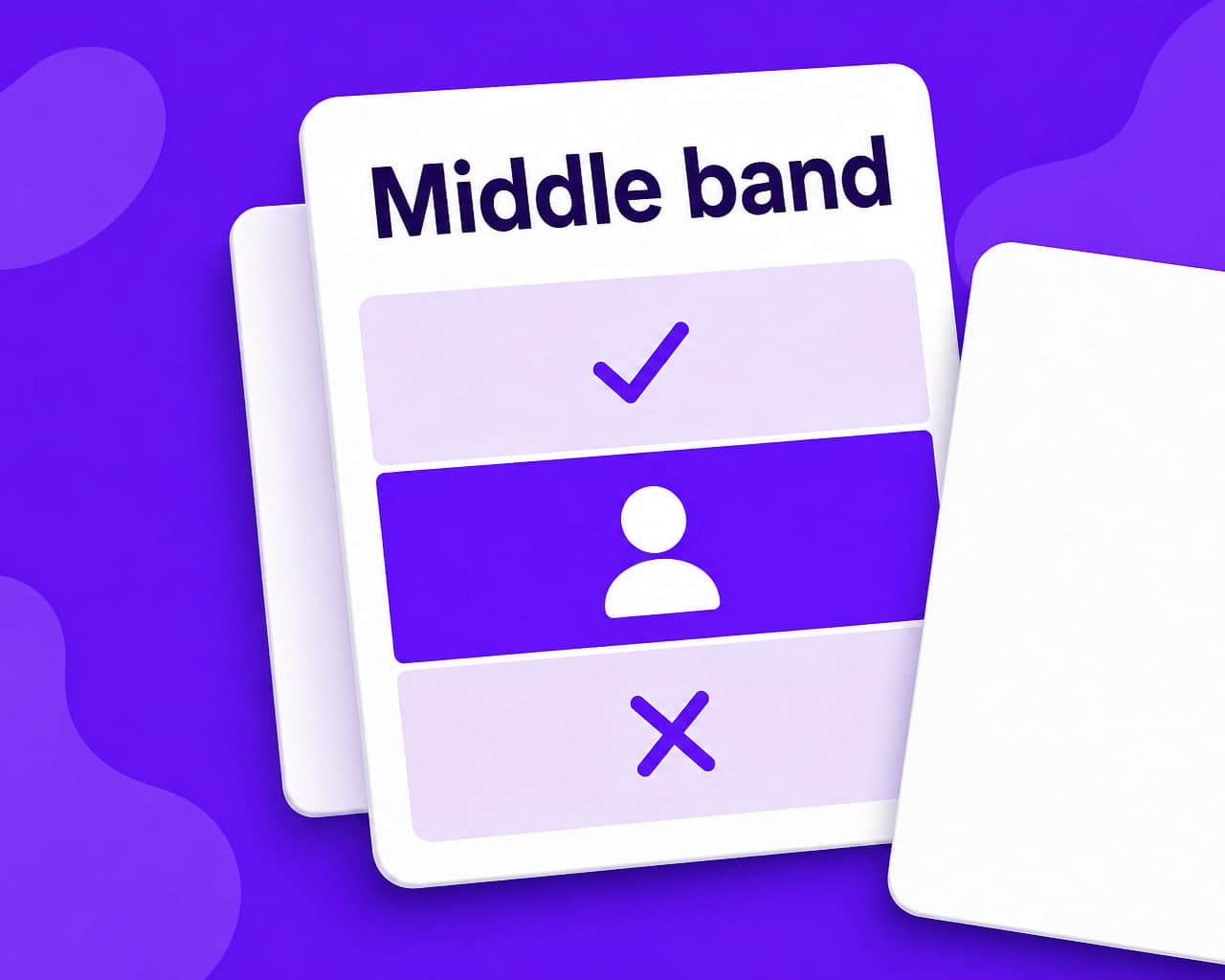
Setting the band
| Content | Review |
|---|---|
| Contractual, clinical, regulated claims | Always, before publish |
| Anything a customer relies on to decide | Always |
| Product and feature descriptions | On flag only |
| Marketing body copy | On flag only |
| Internal and archival | Never, unless flagged |
Two rules keep the band honest. New language pairs sit one tier higher until the memory has coverage. And anything a back translation flags on negation, numbers or conditions rises a tier regardless of category. That produces a queue that is small and genuinely worth a person's time.
Give the reviewer the finding, not the file
Most review time is spent locating the problem, not fixing it.
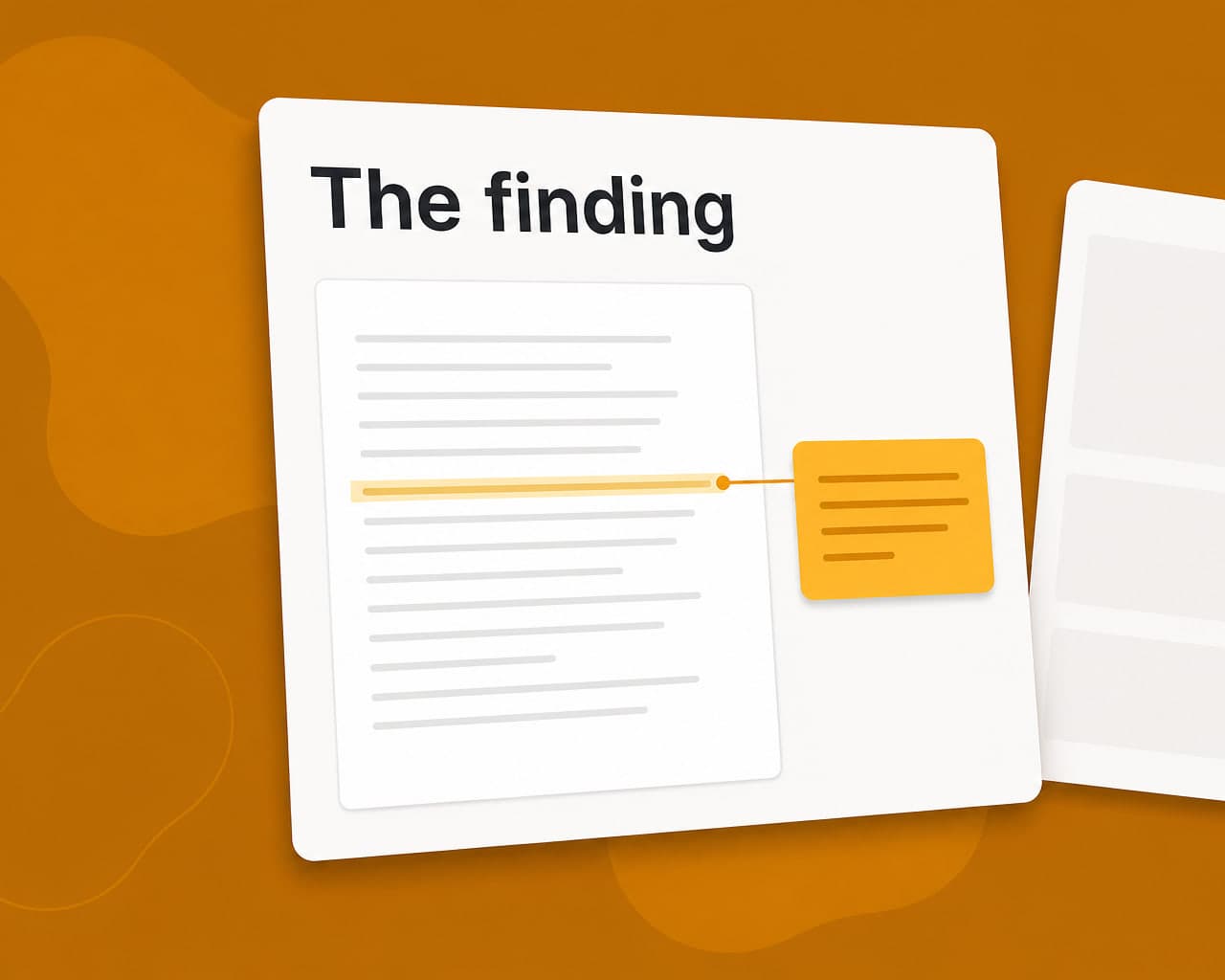
A reviewer opening a full document to find an unnamed issue is doing search, not review. Hand over the segment, the source, the specific finding, and what the glossary says the term should be.
Then a decision takes a minute instead of twenty. The same queue that was unaffordable at full-file review becomes ordinary work.
Make corrections compound
A correction that fixes one file and stops there is worth very little.
Write it back to memory and it fixes every future occurrence, which is what turns review from a recurring cost into an investment that reduces its own volume.
Track that. If reviewer edit distance is not falling quarter over quarter, corrections are not being written back and the review load will never come down — which is the single most useful number in quality metrics.
Keep the reviewer pool wider than one person per language, or the whole gate stops when somebody takes leave.
Where the reviewer has to be qualified rather than merely fluent, the gate looks different — certified translation covers when that applies.
FAQ
How much translated content should a human review? Not a percentage. Define a risk band: contractual, clinical and regulated content always reaches a reviewer, while lower-consequence content is reviewed only when an automated check flags it.
What should a reviewer be given? The segment, its source, the specific finding, and what the glossary says the term should be. Handing over a whole file makes the reviewer search for the problem, which is where most review time goes.
How do you stop review load growing with volume? Write every correction back to translation memory so it applies to all future occurrences. If reviewer edit distance is not falling quarter over quarter, corrections are not compounding and load will keep rising.
When should content be moved to a higher review tier? When the language pair is new and memory coverage is thin, and when back translation flags a difference involving negation, numbers or conditions. Both raise consequence regardless of content category.