Quick answer — A multilingual retail campaign works when the offer and the brand rules are fixed centrally and the wording, imagery and timing are decided locally. What breaks it is translating a campaign written for one market and shipping it everywhere.
Vitra.ai Universe makes, adapts and translates the whole set.
Translation is not the job
The instinct is to build the campaign, then translate it. It produces campaigns that are technically correct in eleven languages and persuasive in one.
The reason is that a campaign is built on assumptions — what the season is, what the holiday is, what the price feels like, what the competitor is doing — and those assumptions do not travel with the words.
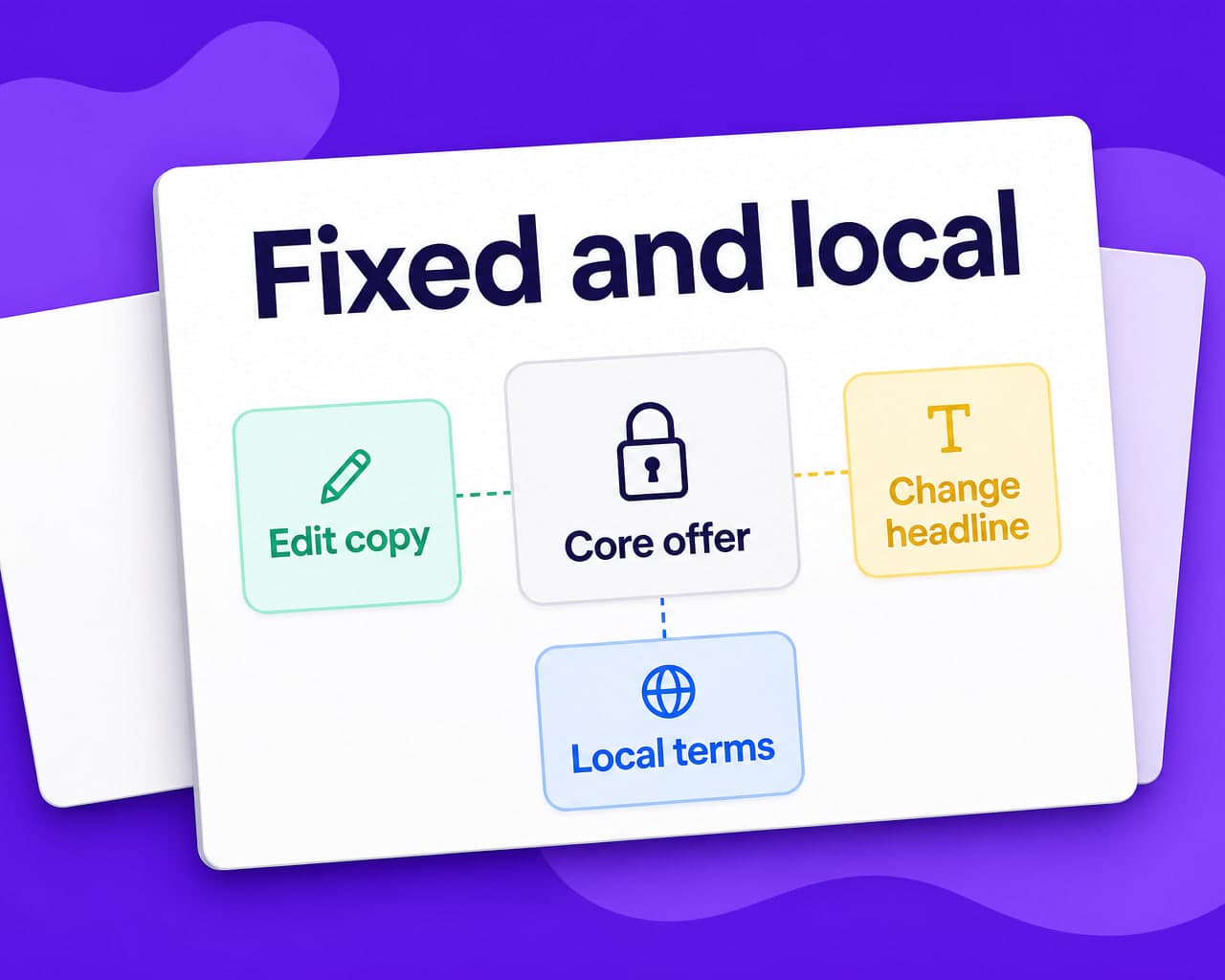
Fix the centre, release the edges
| Fixed centrally | Decided per market |
|---|---|
| The offer mechanic | The wording of the offer |
| Brand marks, palette, type | Which products lead |
| Legal and pricing rules | Imagery and casting |
| The measurement plan | Timing against local seasons |
Getting this boundary wrong in either direction is the usual failure. Too central and the campaign lands flat everywhere. Too local and you are running eleven campaigns with one budget and no comparable numbers.
The two that get missed
Text inside images is the first. Copy in a brief gets translated because it is in the brief; the headline baked into the banner does not, and it ships in English behind translated body copy. Image translation covers that layer, and it needs to be scheduled rather than remembered.
Timing is the second. A campaign built around a northern-hemisphere autumn lands in an Australian spring, and a promotion pegged to a holiday that does not exist locally reads as noise. Neither is difficult. Both are invisible until launch day.
Volume, and how to survive it
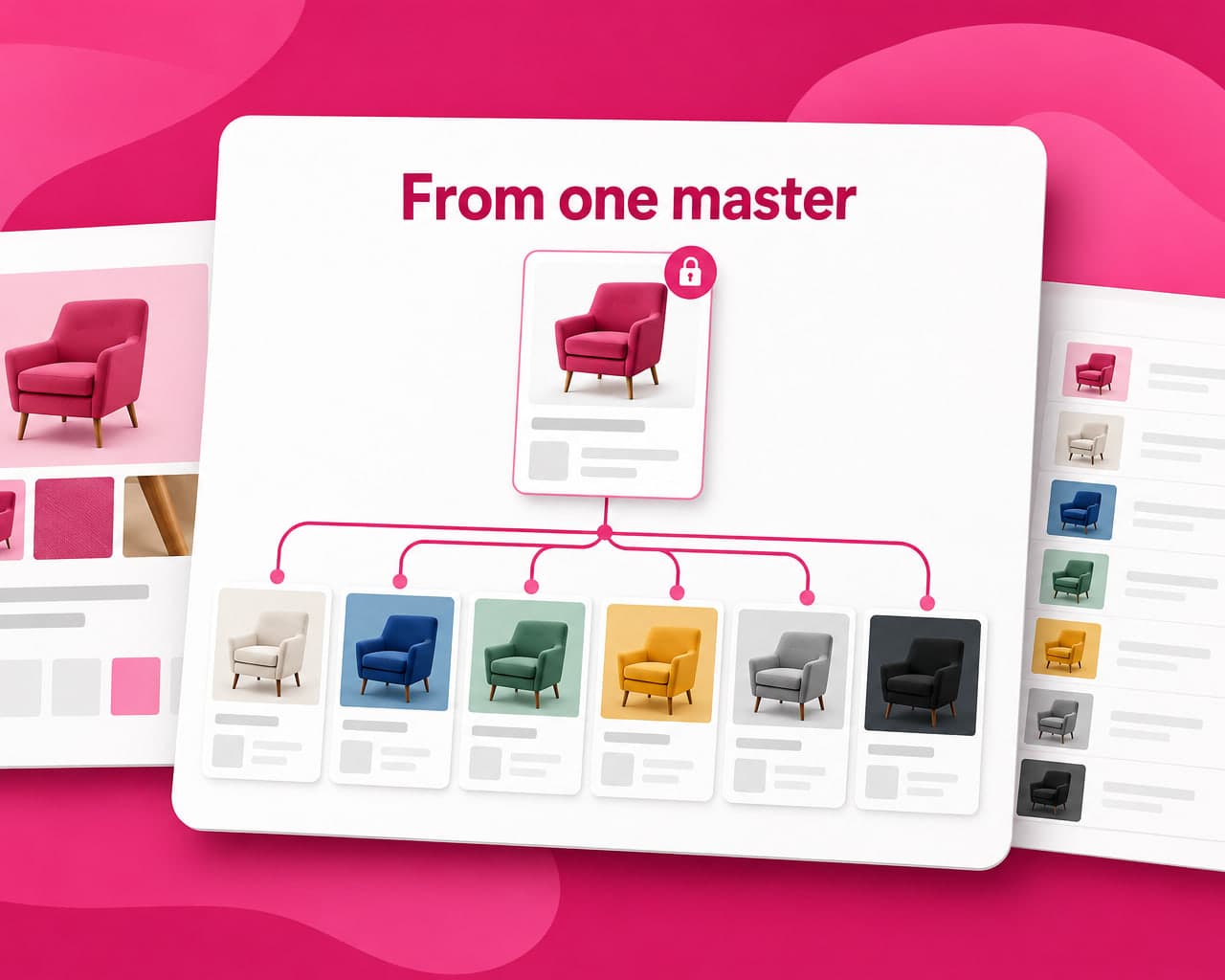
One campaign across eleven markets and six placements is sixty-six creative variants before anybody tests anything.
That is only tractable if variants are produced from a master rather than built individually, which is what image personalization does per placement and market while holding the brand rules constant.
Keep one vocabulary across the set. Product names and offer terms appear in every asset, and a translation memory is what stops the same promotion having two names in the same market.
Start with the two largest non-domestic markets and one placement. A campaign that works in two languages can be widened; one that launches in eleven and underperforms cannot be diagnosed.
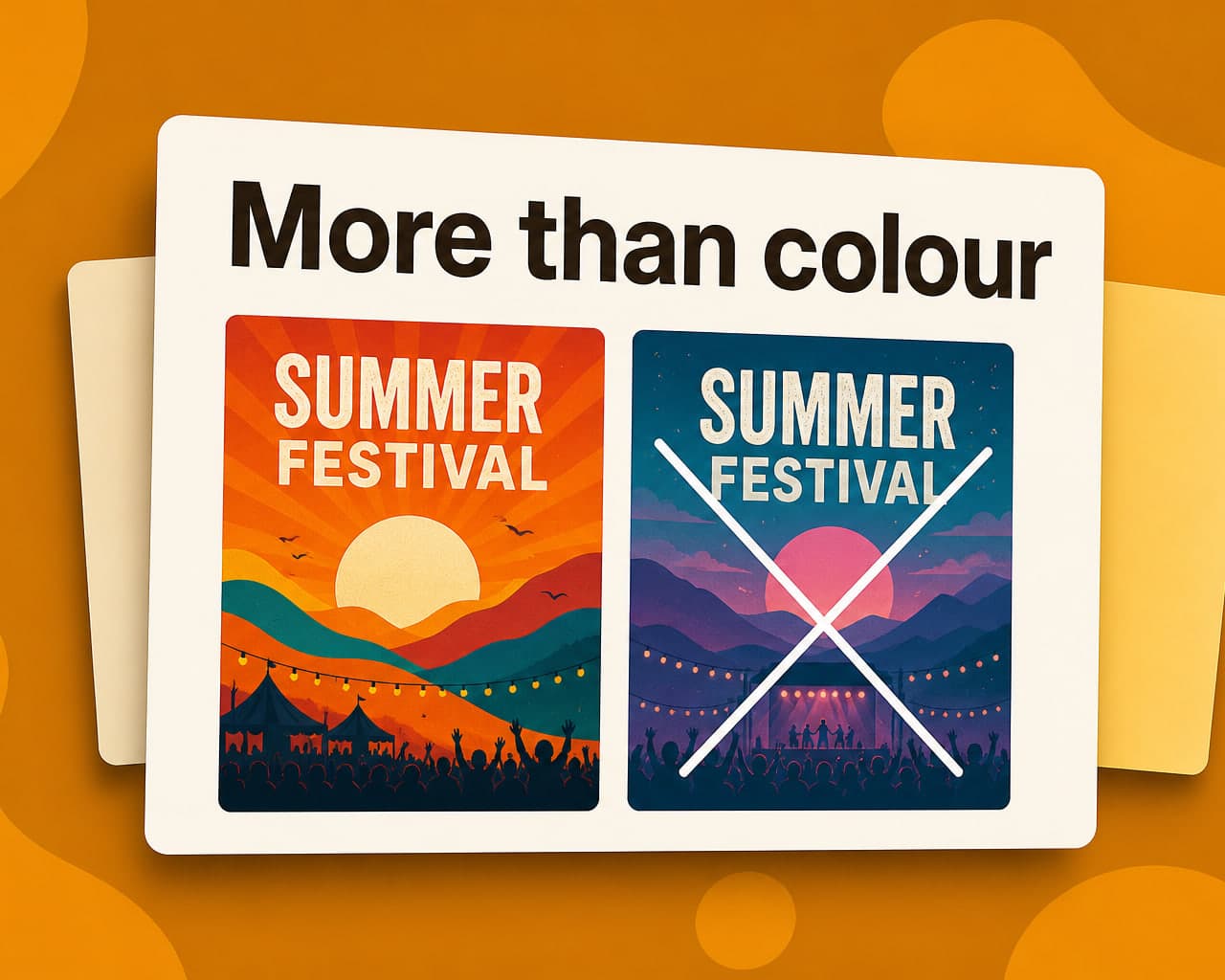
Festivals are the hardest case of this, because what changes is behaviour rather than wording. Festival marketing covers it. Launch campaigns for devices run through retailers as well as markets — electronics retail campaign.
FAQ
Should a retail campaign be translated or rebuilt per market? Neither entirely. Fix the offer mechanic, brand rules and measurement centrally, and let each market decide wording, imagery, lead products and timing. Straight translation produces campaigns that are correct everywhere and persuasive nowhere.
What gets missed when launching a campaign in several languages? Text baked into images, and timing. Copy in the brief gets translated; a headline inside a banner does not. And a campaign built around one hemisphere's season lands wrongly in the other.
How many creative variants does a multilingual campaign need? Markets multiplied by placements, before any testing. Eleven markets across six placements is sixty-six, which is only workable if variants are generated from one master rather than designed individually.
How many markets should a first multilingual campaign cover? Two, plus a single placement. A campaign running in eleven markets at once cannot be diagnosed when it underperforms, because nothing separates a weak offer from a weak translation.