Quick answer — Automating a multilingual campaign means the brief triggers creation, translation, adaptation and publishing as one run. The manual steps that remain should be approvals, not file handling.
Vitra.ai Universe creates, translates, adapts and publishes from one place.
The manual steps are not where you think
Ask a team what is manual in their campaign process and they say translation. Watch the process and translation is minutes; the rest is people moving files.
Export the copy. Send it. Wait. Receive it. Paste it back. Resize for six placements. Upload to four platforms. Repeat for eight markets.
None of that is skilled work and all of it is on the critical path.
What a run actually contains
| Stage | Automate | Gate |
|---|---|---|
| Copy from the brief | Yes | — |
| Translation into every market | Yes | High-risk claims only |
| Creative generation | Yes | Brand check on first render |
| Text inside the artwork | Yes | — |
| Placement adaptation | Yes | — |
| Regional offer variation | Yes, from data | Legal, per market |
| Publishing | Yes | Final approval, once |
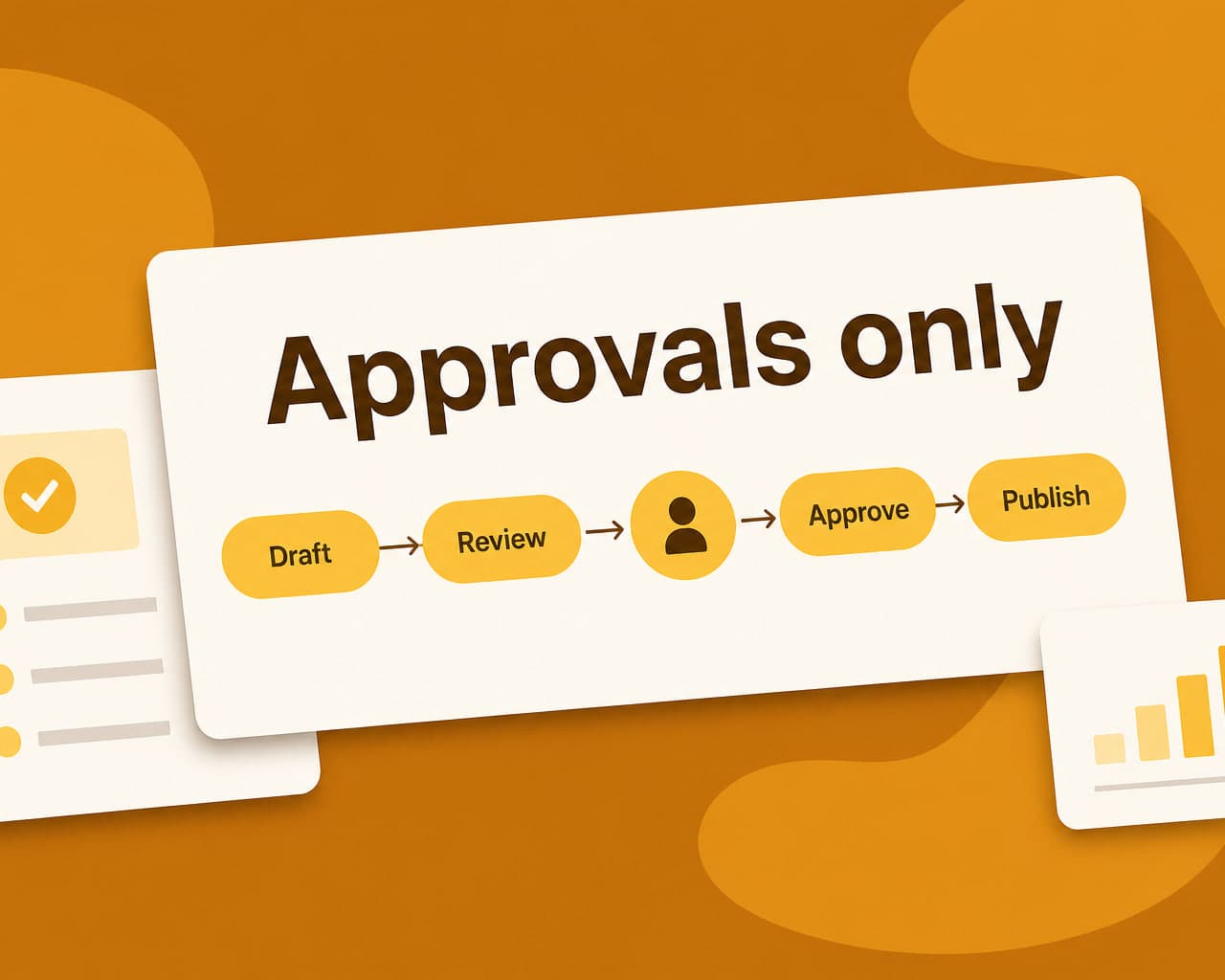
The gate column is the point. Automation is not the absence of approval; it is approving decisions rather than files.
One person approving the campaign concept for a market beats the same person opening ninety rendered assets, and it is a better use of their judgement.
Where the offer differs by region
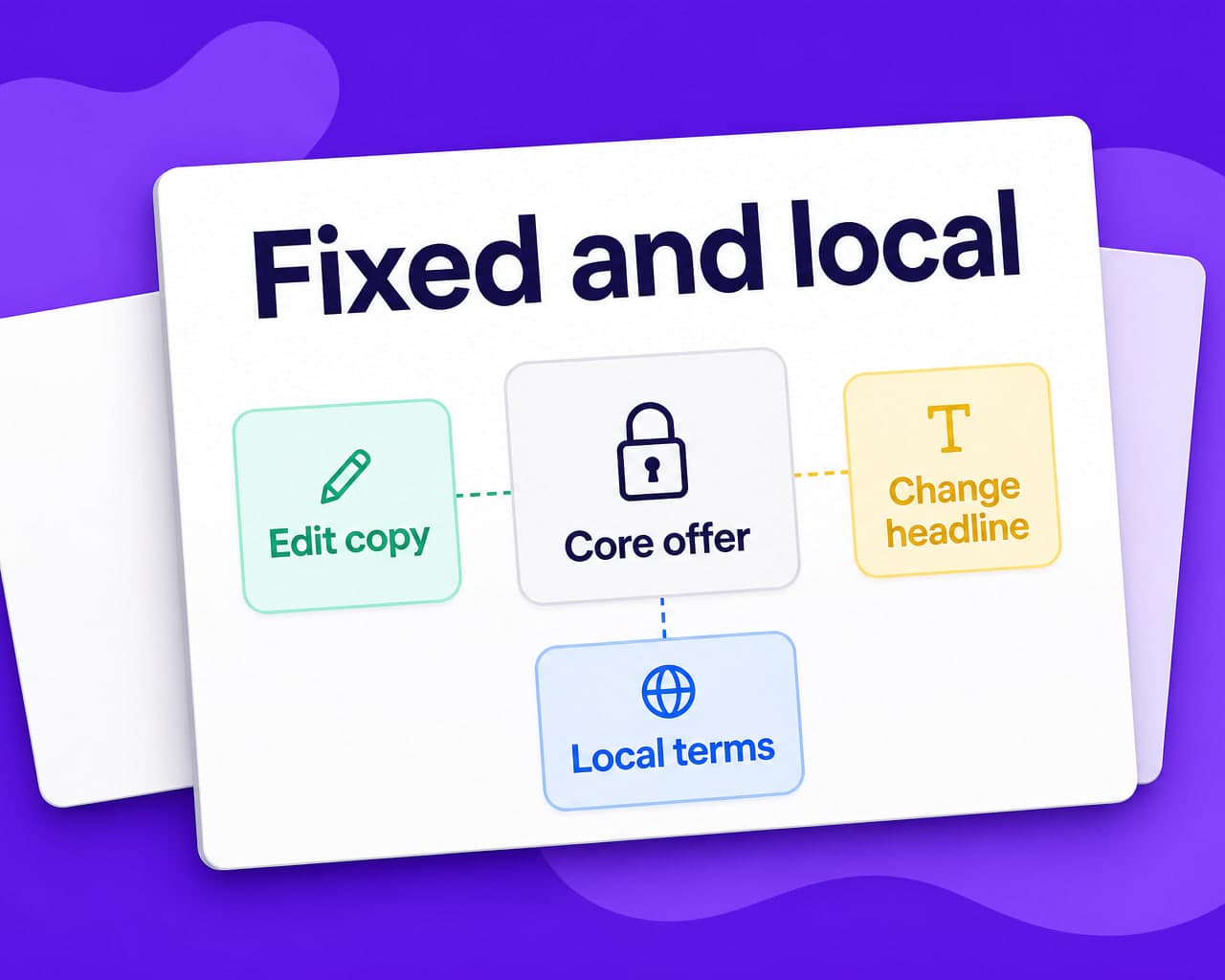
Most campaigns are not the same campaign everywhere. A festival promotion, a local payment method, a shipping threshold, a claim that needs different substantiation. Treating those as data rather than as separate campaigns is what keeps the run single. Hyperlocal marketing adapts the message per region instead of translating a message written for somewhere else, which is a different and better output.
What makes it repeatable
Terminology settled once in memory, so the product is named identically across ninety assets without anyone checking.
Brand rules applied during generation rather than reviewed afterwards, so the first render is already on-brand.
And quality control on every rendered file rather than a sample, because at campaign volume nobody opens them all — the findings route to a person and the clean ones ship.
Then the next campaign is a brief, not a project, which is the actual return. The first automated campaign costs about what a manual one did; the fifth costs a fraction, and that curve is the whole argument. A launch that must go live everywhere on one date is the hardest version — vehicle launch content.
FAQ
What is actually manual in a multilingual campaign? File handling rather than translation. Exporting copy, sending it, pasting it back, resizing for placements and uploading per platform is unskilled work that sits directly on the critical path.
Does automating a campaign mean removing approvals? No. It means approving decisions instead of files. One person approving a concept for a market is better judgement than the same person opening ninety rendered assets individually.
How should regional offers be handled? As data within one run rather than as separate campaigns. A festival promotion or local payment method varies per region while the campaign structure stays single.
When does campaign automation pay back? Not on the first campaign, which costs roughly what a manual one did. The fifth costs a fraction, because terminology, brand rules and workflows are already settled.