How to Translate Medical Infographics Properly
Text expands, the layout does not, and rebuilding per language is how infographics quietly become the most expensive asset you own for most banks.

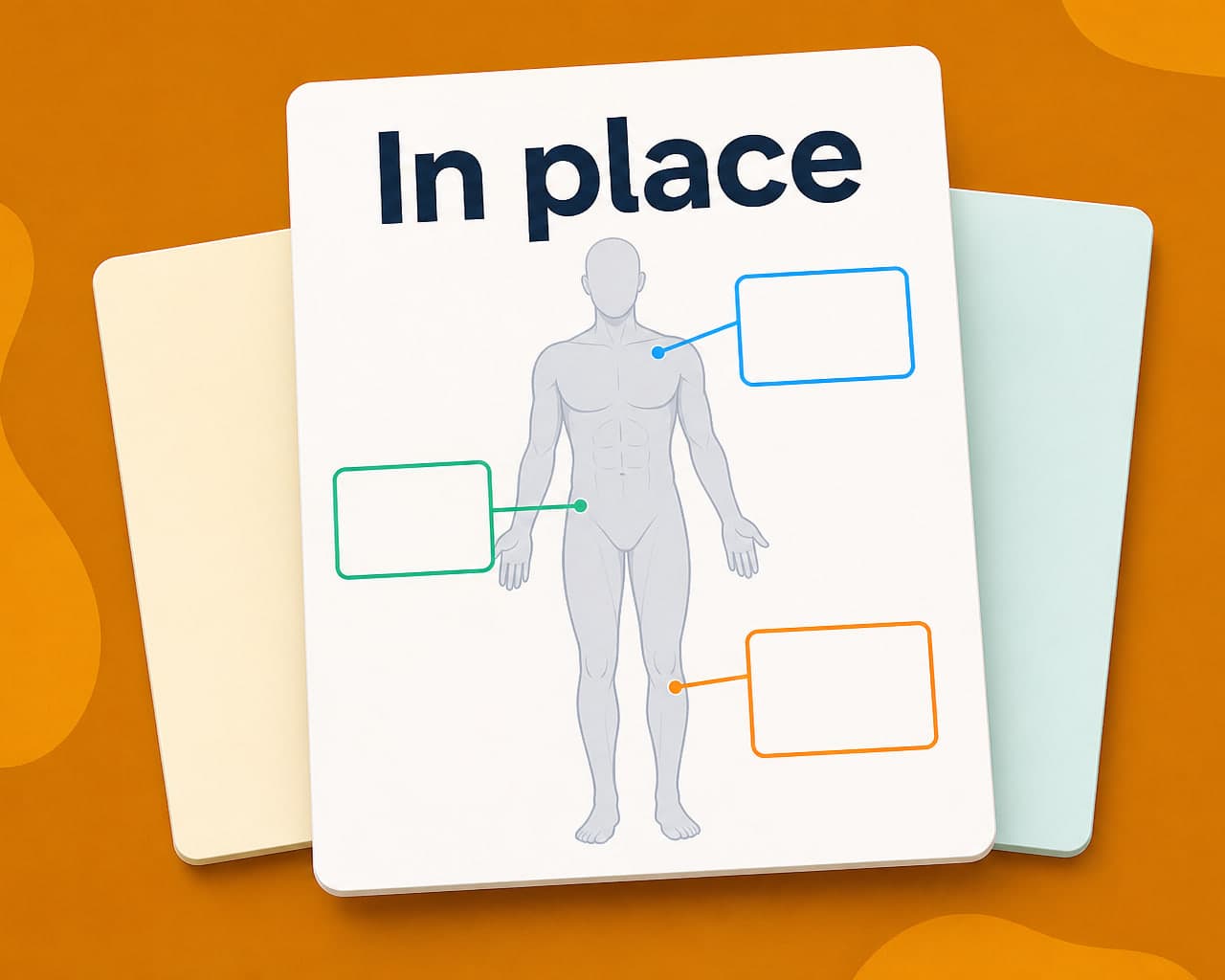
Quick answer — Medical infographics carry meaning in the arrangement, so the usual approach — rebuilding the design per language — is slow, expensive and drifts. Translating the text in place preserves both the layout and the meaning.
The arrangement is the content
A mechanism-of-action diagram means something because of where the arrows point. A dosing schedule works because of the grid. Move the elements and the clinical meaning shifts, even if every word is correct.
That is why an infographic cannot be treated as a document with pictures. It is a diagram with labels, and the labels are the only part that should change.
Why rebuilding fails
The standard process is to hand the design file to a studio per language. Three things go wrong: it costs a design day each time, the versions drift as corrections are applied unevenly, and any later change means doing it again in every language. By the third revision nobody knows which language versions match the current approved diagram. image translation translates the text in place instead, so all languages stay one edit away from the source.
Expansion is the practical constraint
German runs roughly thirty percent longer than English. A label sized for the English word overflows, and the fix is a smaller type size that fails the same legibility standard the original had to meet.
Design the source with expansion room. It is free at the design stage and impossible afterwards.
Regulated text inside artwork
Some of what sits in a medical infographic is approved wording.
It has to match the approved text exactly, which means the glossary applies inside the image as well as outside it, and quality control needs to see the rendered artwork rather than a string list.
Where to start
Audit which infographics exist and which have divergent language versions. That number is usually worse than expected.
Pharma translation covers the other formats.
FAQ
Why can't medical infographics be treated as documents? Because the arrangement carries the clinical meaning. A mechanism-of-action diagram means what it means because of where the arrows point, so only the labels should change.
What goes wrong with rebuilding per language? Cost, drift and repetition. Each rebuild is a design day, corrections get applied unevenly across versions, and any later change means doing every language again.
How much room should a source design leave? Enough for roughly thirty percent expansion, which is about what German runs against English. It is free at the design stage and impossible to add afterwards without shrinking type below the legibility standard.
Does approved wording apply inside artwork? Yes. Regulated text inside an infographic has to match the approved wording exactly, so the glossary applies within the image and review has to look at rendered artwork rather than a string list.
Our blog
Lastest blog posts
Tool and strategies modern teams need to help their companies grow.
Automotive
Automotive Brochure Localization by Market
A car brochure is a spec grid, a legal footer and a photo library, all market-specific. What actually has to change, and why the layout decides the schedule.

Automotive
Automotive Campaign Localization Across Markets
Campaigns run through national companies and dealer networks, so one master becomes hundreds of files. Where the offer text and the disclaimers actually break.
Automotive
Car Service Manual Translation for Technicians
A workshop manual is read mid-repair by someone with the car on a lift. What that demands of procedures, torque figures and fault codes, in every language.