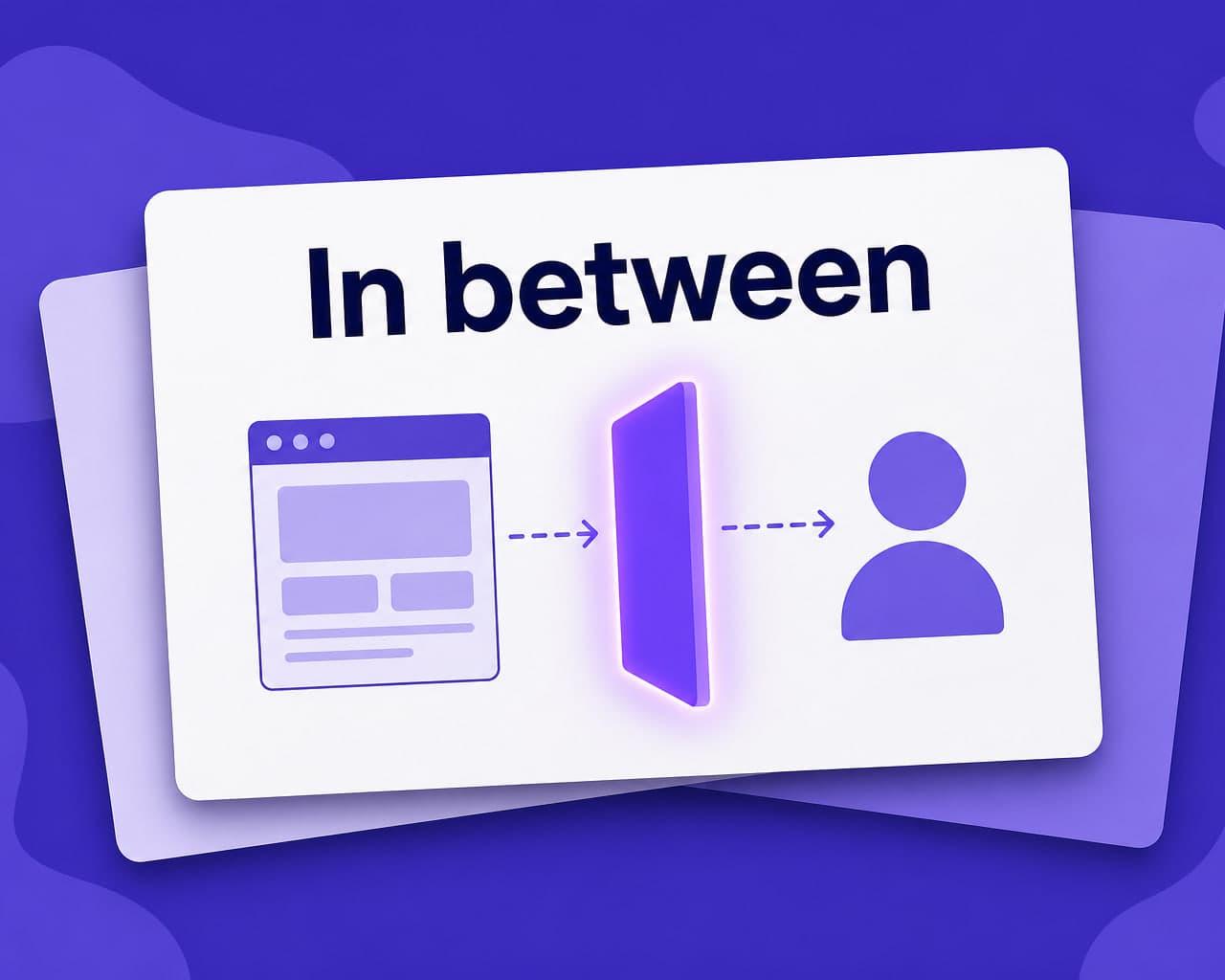
Quick answer — A translation proxy sits between your site and the visitor, translating pages on the way through. It launches in days without engineering work, and it means the translated site depends on the vendor to exist.
Vitra.ai Universe creates, translates, adapts and publishes from one place.
What it actually does
Requests for a translated URL go to the proxy rather than your server. The proxy fetches the source page, swaps the text for stored translations, and serves the result. Your codebase is untouched. That is the entire appeal, and for a marketing site with no engineering capacity it is a genuinely reasonable choice.
Where it works
| Situation | Proxy suits it |
|---|---|
| No engineering resource | Yes |
| Need to launch this month | Yes |
| Marketing site, mostly static | Yes |
| Testing whether a market responds | Yes — cheap to reverse |
| Complex app with dynamic state | Poorly |
| Regulated content needing review | Poorly |
| Long-term primary channel | Consider the exit |
The fourth row is the strongest case. A proxy is the cheapest way to find out whether a market is worth investing in, and reversing it costs nothing.
Three limitations that matter
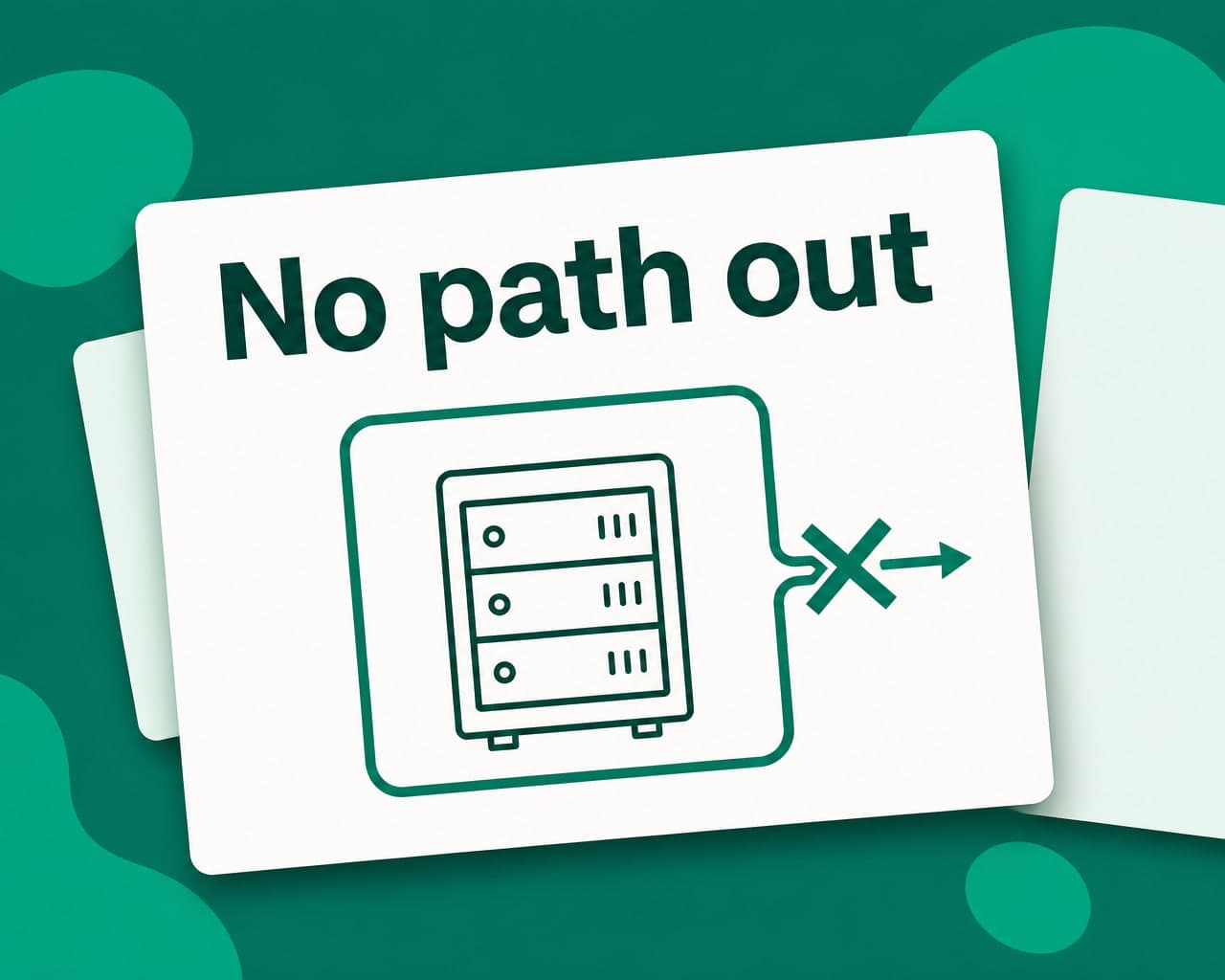
The translated site depends on the vendor. Stop paying and the translated URLs stop resolving. Your source site is unaffected, but the market you built is gone — which is a different position from owning translated content in your CMS.
Dynamic content is hard. Anything rendered after page load, personalised per user, or arriving from an API can be missed or translated inconsistently, because the proxy sees a page rather than an application.
SEO is workable but weaker. Proxies can emit correct hreflang and separate URLs, and good ones do — but the pages live on infrastructure you do not control, and diagnosing an indexing problem across that boundary is genuinely harder.
What to check before committing
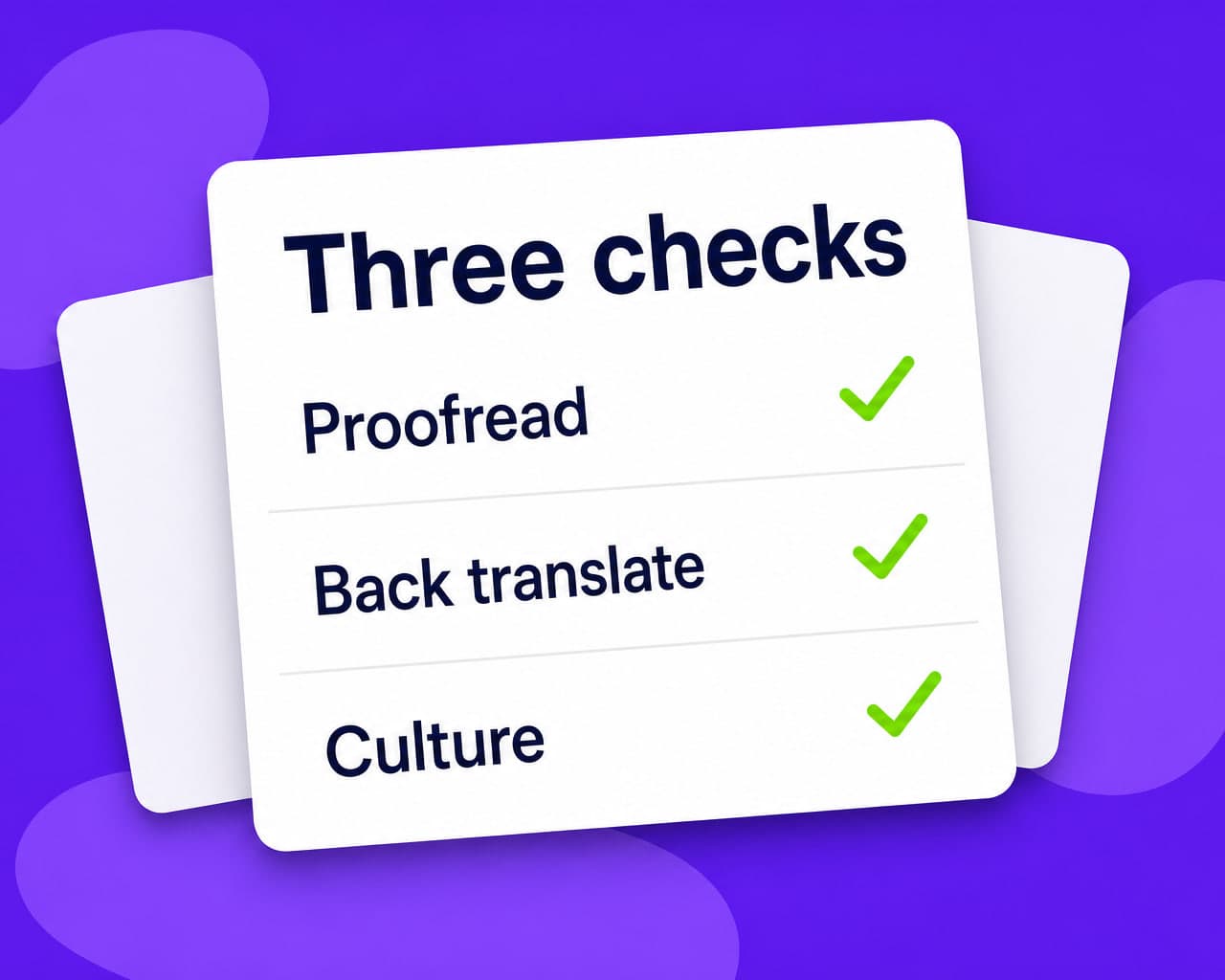
Whether translations export in a portable format, so the work is yours if you migrate, and whether quality control runs on the served page rather than only on the strings behind it. Whether memory accrues to you or the vendor. Whether images and PDFs are covered, since a proxy typically handles HTML text only and leaves text inside images untouched.
And how the proxy behaves when your source page changes, because a layout change that breaks the text mapping is the most common operational failure.
The honest summary: a proxy is an excellent way to start and a poor place to stay. Plan the migration to a connector or API while it is still cheap to make.
FAQ
What is a translation proxy? A service that sits between your site and the visitor, fetching the source page and serving a translated version. Your codebase is untouched, which is why it launches in days.
What is the main risk of a translation proxy? The translated site depends on the vendor. Stop paying and the translated URLs stop resolving, so the market you built disappears even though your source site is unaffected.
Is a translation proxy bad for SEO? Not inherently — good proxies emit separate URLs and correct hreflang. But the pages live on infrastructure you do not control, which makes diagnosing indexing problems considerably harder.
When is a proxy the right choice? When there is no engineering capacity, a launch is needed quickly, or you are testing whether a market responds at all. It is cheap to start and cheap to reverse.