Quick answer — Air-gapped translation runs the entire pipeline — speech recognition, translation, text to speech and language models — on your own servers with no network path out. Updates cross the boundary as reviewed media on a schedule, which is the main operational difference.
Vitra.ai Universe runs multi-tenant, in a dedicated region, or fully air-gapped.
No external calls, by design
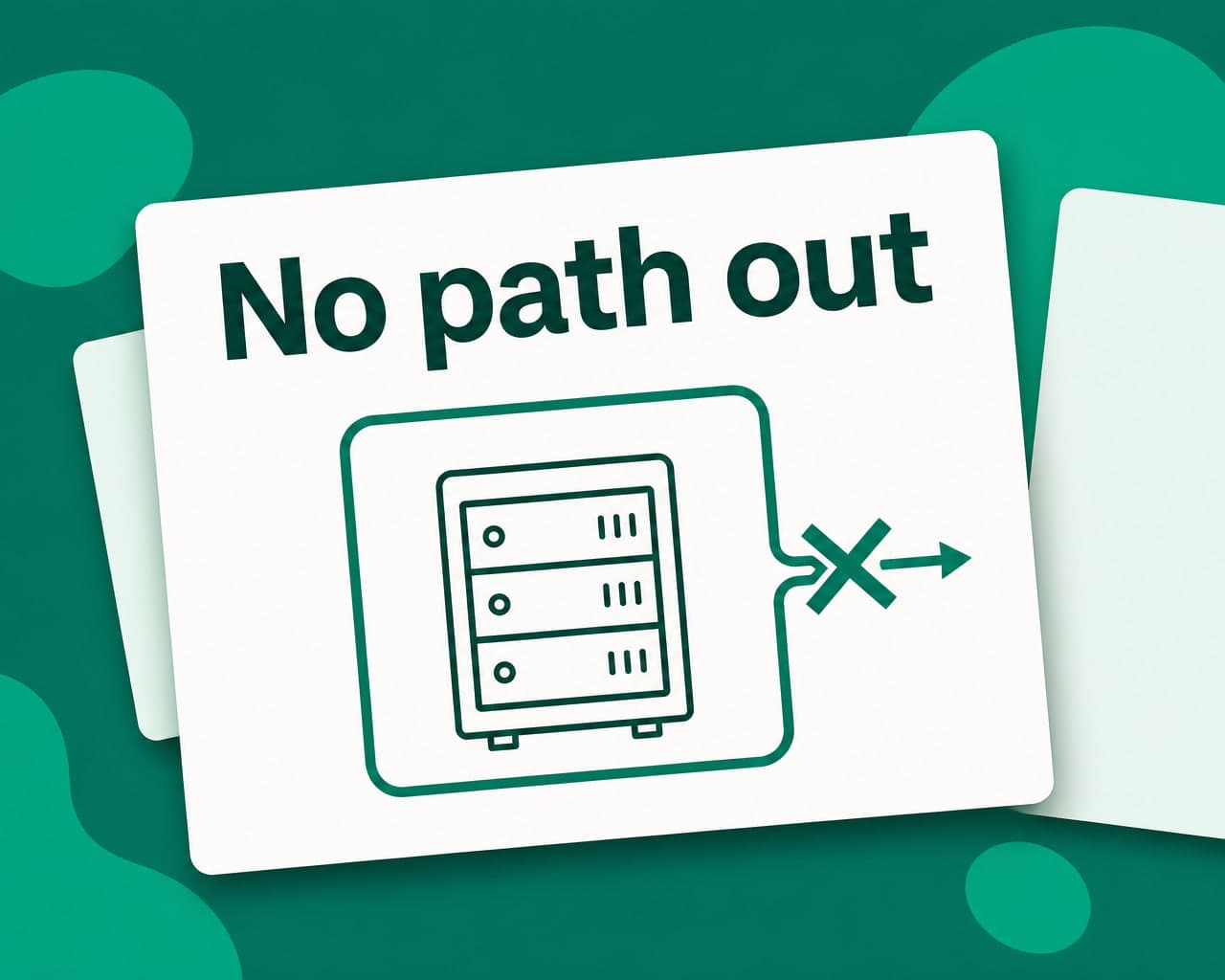
Air-gapped is not a stricter firewall. It is the absence of a route: the deployment has no path to the internet, so there is nothing to misconfigure and nothing to audit for accidental egress. That constraint is the product. It is also what makes the design work harder, because everything the system needs has to already be inside.
What runs inside the boundary
The whole pipeline, which surprises people who assume translation needs a cloud service.
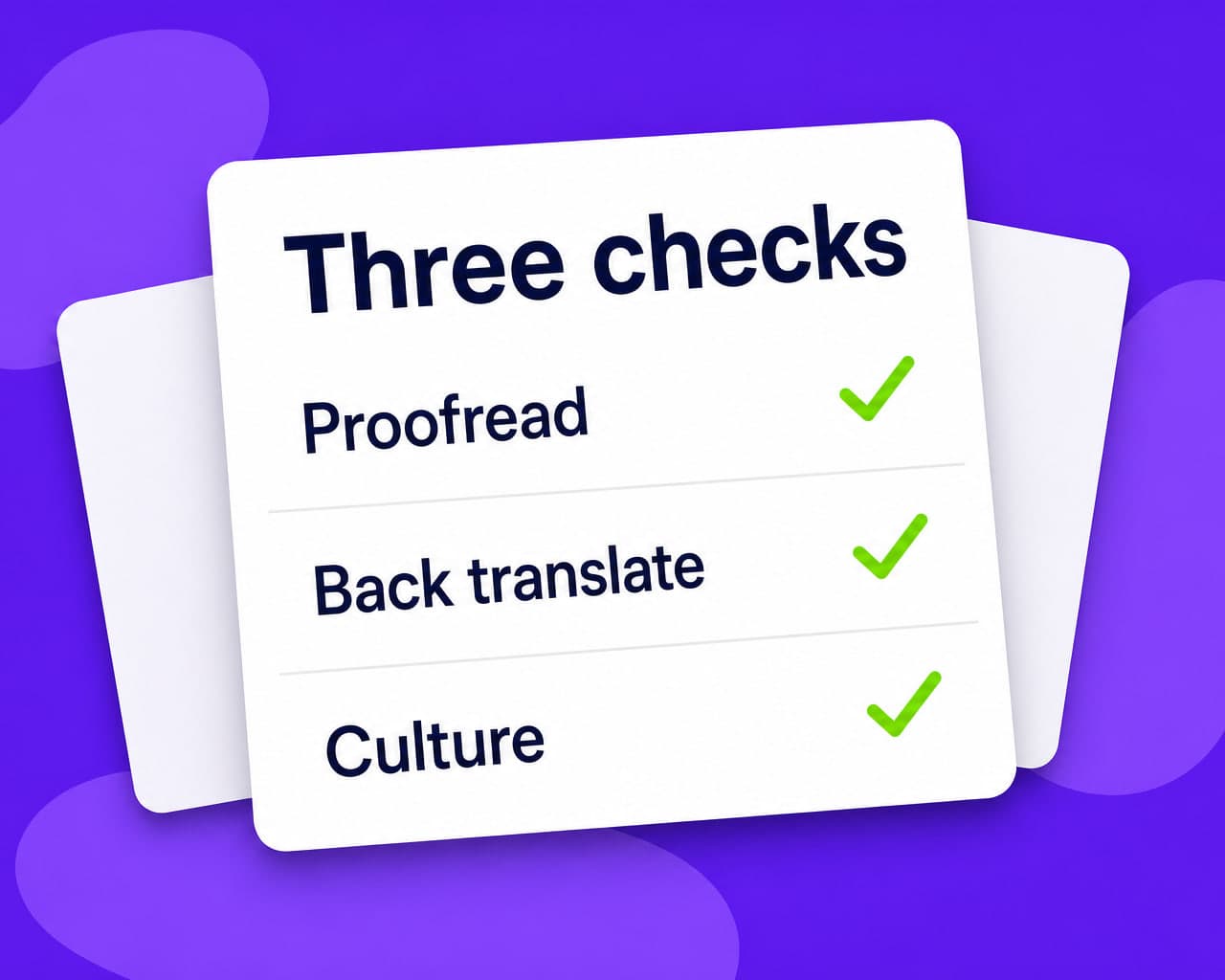
Fine-tuned speech recognition, machine translation, text to speech and language models all run on your GPU servers. Translation memory and glossaries live inside. So does quality control — the proofreading and back-translation passes are models like any other, and they run locally too.
Nothing phones home. There is no telemetry, no usage beacon, no model call leaving the room.
How updates cross
| What crosses | How | Cadence |
|---|---|---|
| Model weights | Reviewed physical media | Scheduled, typically quarterly |
| Software releases | Same channel | Scheduled |
| Voice libraries | Same channel | As needed |
| Your content | Never | That is the point |
| Telemetry and logs | Never leaves | Audited in place |
The cadence is the real operational change. In a cloud tenant, improvements arrive continuously and invisibly. Here, someone owns a transfer window, a review of what is being brought in, and a rollback plan if a new model behaves differently on your material.
Treat that window as a change-management event, because it is one.
What you give up
Frontier hosted models, since those are an API elsewhere. Instant access to a capability announced last week. And the convenience of somebody else noticing a regression before you do.
You also give up the easy answer to "why is output different this month" — the answer is the transfer window, and you need records of what changed in it.
Who this is genuinely for
Defence, intelligence, some government work, and a small number of commercial sites where a contract makes the network boundary a legal one rather than a technical preference.
If none of those describe you, a dedicated region with residency guarantees is very likely the right shape instead, and on-premise without the air gap sits between the two.
Privilege and client undertakings raise the same question, which is where machine translation in legal work starts.
FAQ
What does air-gapped mean for a translation system? There is no network route out of the deployment at all. Speech, translation, text-to-speech and language models run on your own servers, and no content, telemetry or model call leaves the environment.
How does an air-gapped system get model updates? As reviewed physical media on a schedule, usually quarterly. Someone owns the transfer window, reviews what is being brought in, and holds a rollback plan if a new model behaves differently on your material.
Can quality checks run without an internet connection? Yes. Proofreading, back-translation and cultural rule checks are models like any other and run locally. The verdict and its reasons are produced inside the boundary and audited in place.
Is air-gapped the same as on-premise? No. On-premise means the hardware is yours; it can still reach the network. Air-gapped removes the route entirely. Air-gapped is always on-premise, but plenty of on-premise deployments are not air-gapped.