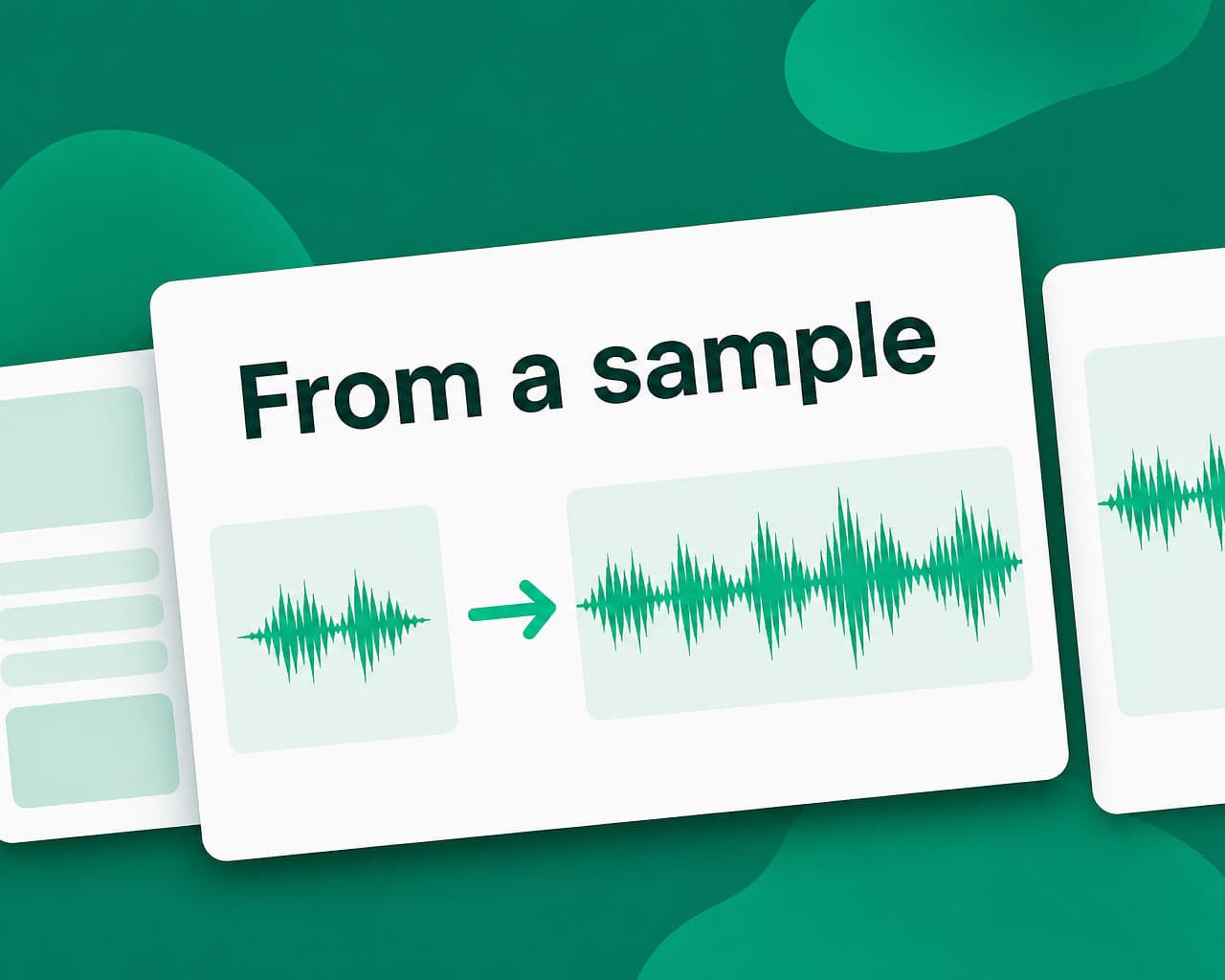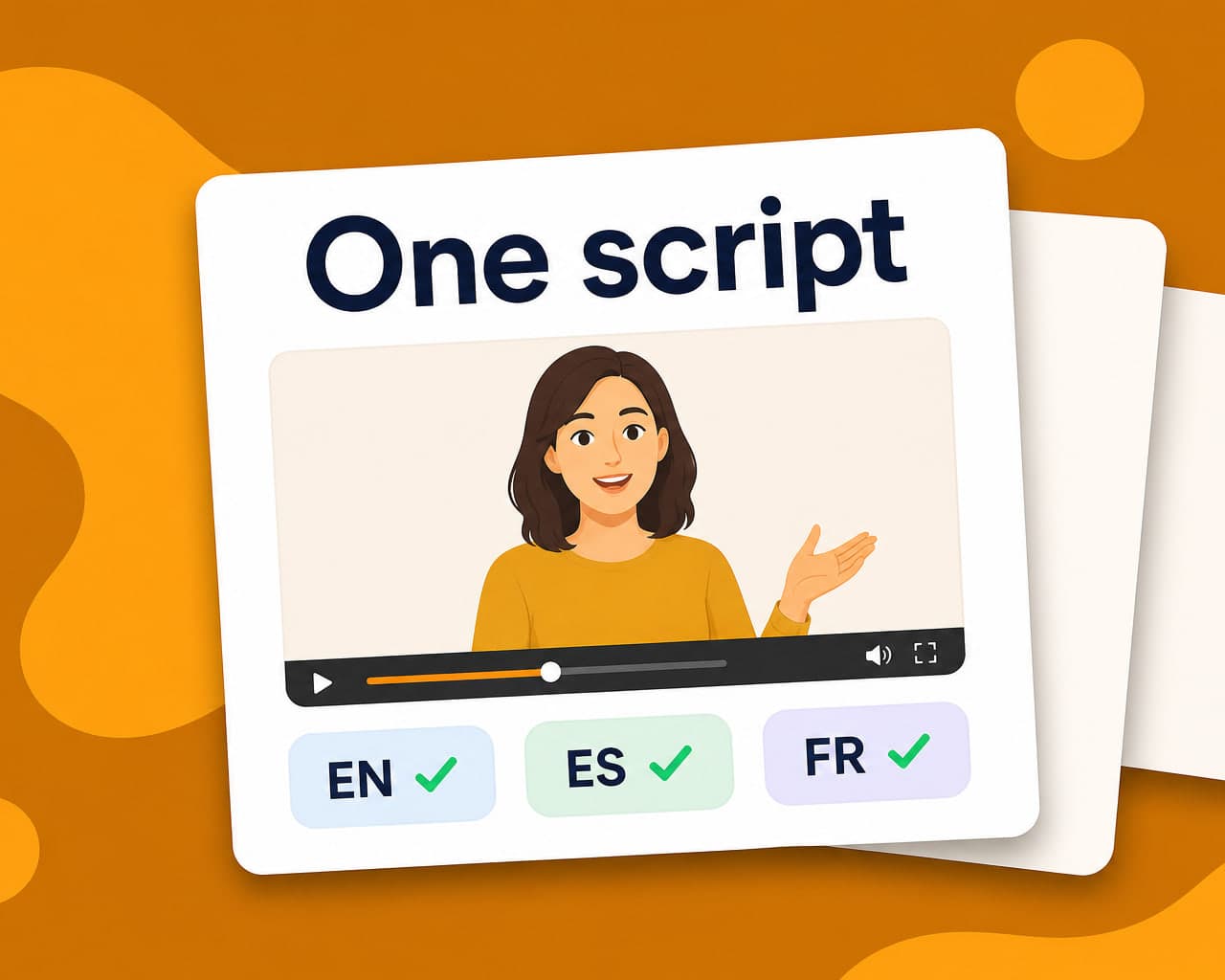
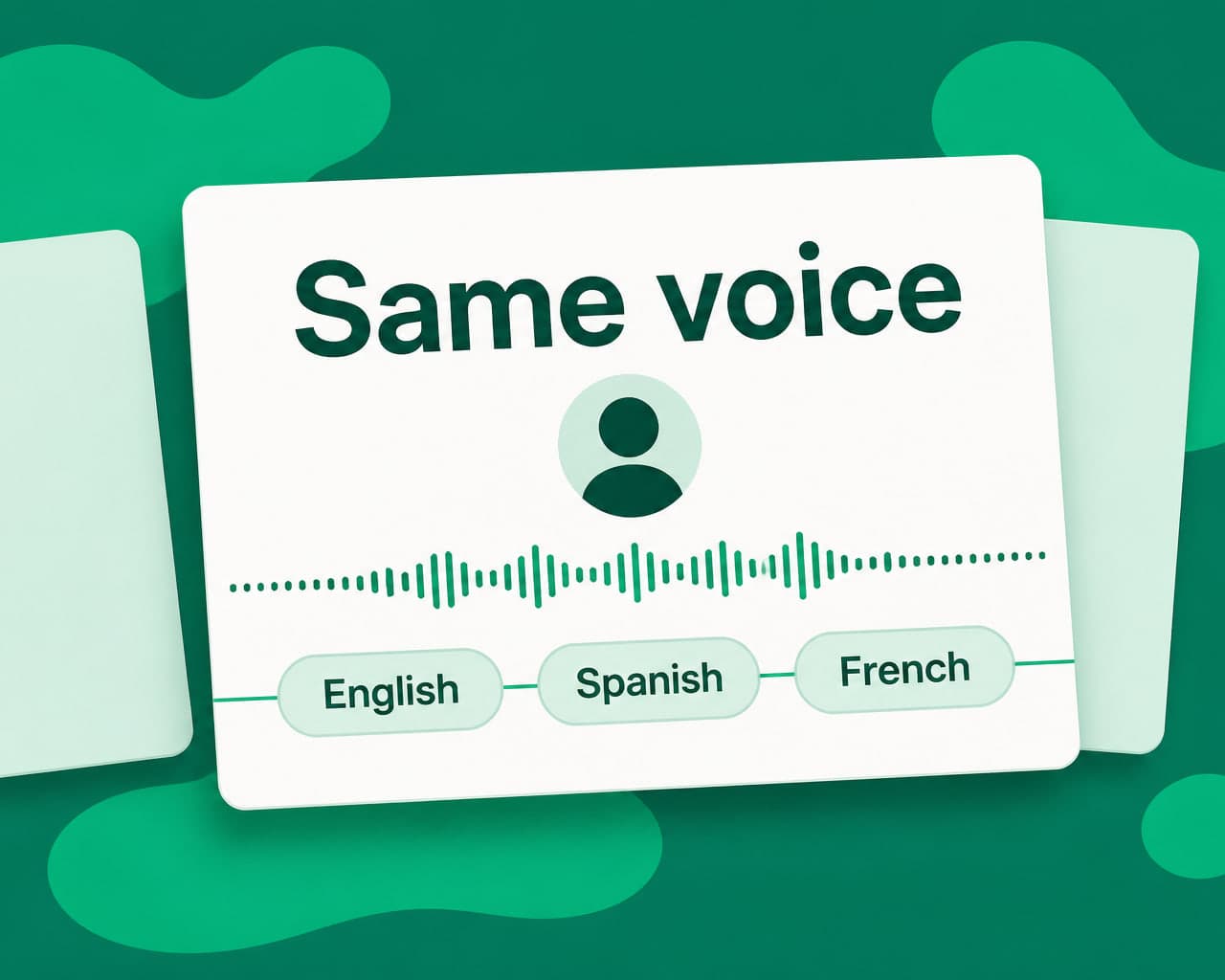
Quick answer — Cloning the speaker's voice from a short sample lets the same person appear to speak every language. Pitch, timbre and emotional delivery transfer; accent and idiolect largely do not, and consent should be explicit before any voice is cloned.
Vitra.ai Universe dubs, clones the voice and re-aligns the mouth in one pass.
Why the voice is the asset
A founder explaining the product, a clinician explaining a procedure, a trainer people already trust — replace that voice with a stranger's and something real is lost, even when the translation is perfect.
Recognition is part of the message. Keeping the voice keeps it.
What transfers, and what does not
| Property | Carries across |
|---|---|
| Timbre, the recognisable quality | Yes |
| Pitch range | Yes |
| Pace and rhythm | Mostly, subject to timing |
| Emotional delivery | Yes, detected and recreated |
| Intonation patterns | Broadly, per target language |
| Accent | No, and it should not |
| Idiolect and verbal habits | No |
Accent is the one people ask about. A cloned voice speaking Japanese should sound like a native Japanese speaker with your timbre, not like you attempting Japanese — carrying the accent across would make it harder to understand, which defeats the purpose.
How it works in practice
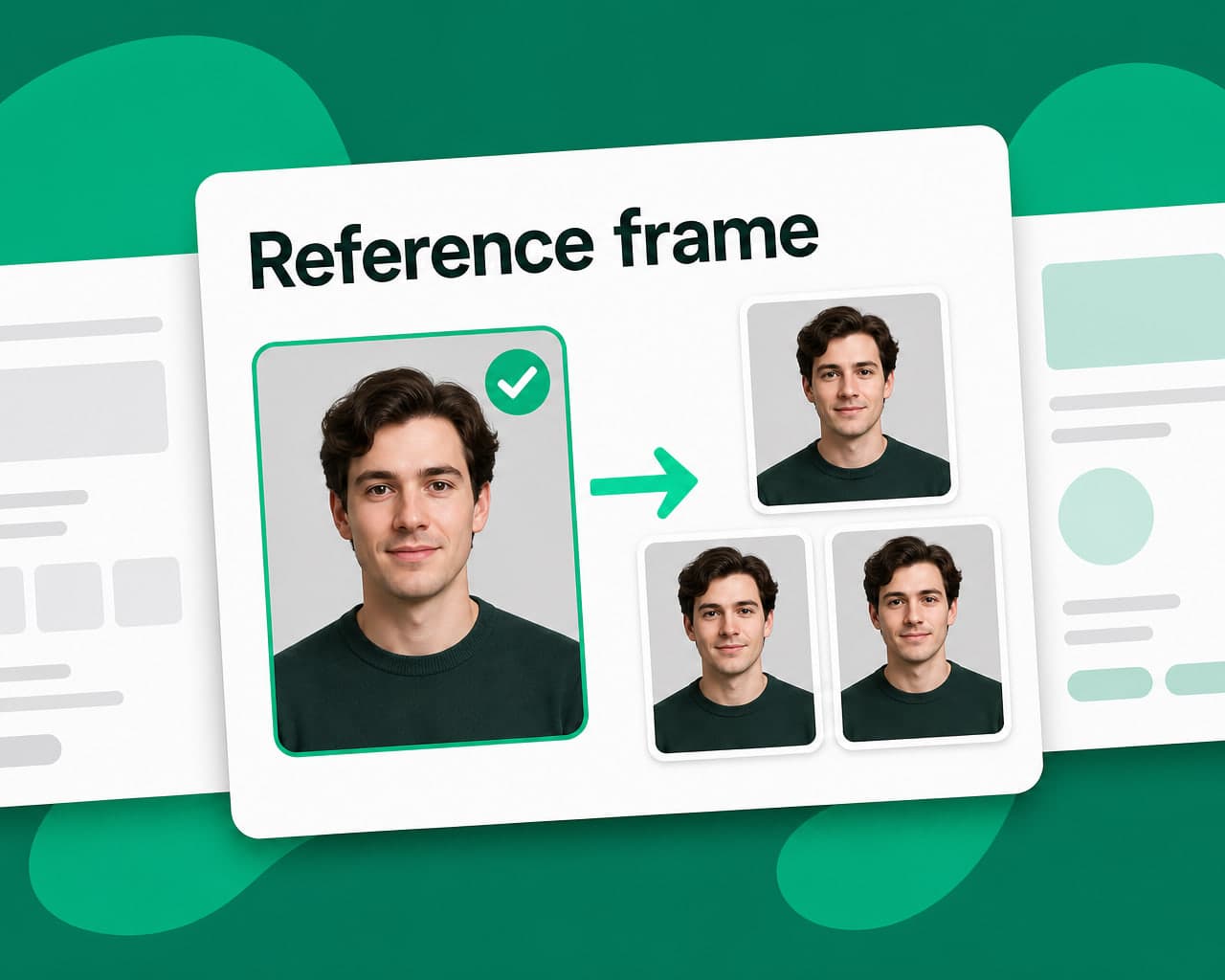
A short sample is enough to build the clone, and the same voice is then reusable across every language rather than re-recorded per market. Emotion is detected in the source performance and recreated in the target, so a segment delivered warmly stays warm. Pace and pronunciation stay editable per segment where a specific word matters — a product name, a drug name, a place. You can also record your own reference read rather than cloning from existing footage, which gives cleaner input and more control over how the neutral delivery sounds.
Consent is not optional
Cloning a voice is different from translating text, and it should be treated that way.
Get explicit, written, purpose-scoped permission from the speaker — which languages, which content, for how long, and what happens to the model afterwards. An employee who left should not still be presenting in a language they never spoke.
That is a policy question rather than a technical one, and the honest position is to settle it before the first clone rather than after somebody objects.
Checking the result
Listen for pronunciation of names and terms first, since those are where a clone most often goes astray. Then check meaning through the usual quality control pass — a fluent dub in the speaker's own voice is extremely persuasive, which makes an inaccurate one more dangerous rather than less.
Terminology comes from translation memory, so the words match the subtitles and the rest of the library.
FAQ
Can a video keep the original speaker's voice in another language? Yes. A short sample builds a clone that carries timbre, pitch range and emotional delivery into the target language, so the same recognisable person appears to speak it.
Does a cloned voice keep the speaker's accent? No, and it should not. A clone speaking Japanese should sound like a native speaker with your timbre rather than like you attempting Japanese, which would be harder for the audience to follow.
What consent is needed to clone someone's voice? Explicit written permission scoped to purpose: which languages, which content, for how long, and what happens to the model afterwards. Settle it before the first clone rather than after an objection.
What should be checked in a voice-cloned dub? Pronunciation of names, products and technical terms first, since those are where clones most often fail. Then meaning, because a fluent dub in a trusted voice is persuasive whether or not it is accurate.