
Quick answer — Translating an infographic means the labels, the numbers and the layout all move together. Text expansion breaks the composition, and units, currencies and date formats often need converting rather than translating.
Vitra.ai Universe translates the layer, then checks the result.
Three things at once
An infographic is a layout holding text that describes data. Change the language and all three are affected, which is why it is harder than it looks. Labels get longer. The composition was built around the short ones. And the numbers themselves may not mean the same thing in the destination market.
The numbers are the risk
Translation handles words. Data needs conversion, and nobody assigns that.
| Element | Needs |
|---|---|
| Units | Conversion, with the original in brackets |
| Currency | Conversion, and a rate date |
| Dates | Local order, never ambiguous numerics |
| Decimal separators | Comma or point, per locale |
| Large numbers | Grouping differs; lakh and crore in India |
| Percentages of a national figure | A local figure, or removal |
The last row is the one that quietly misleads. A chart showing a share of the US market translated into German is accurate and irrelevant, and a reader takes it as being about their market.
Currency without a rate date ages badly and becomes wrong rather than old.
Layout, and where it gives
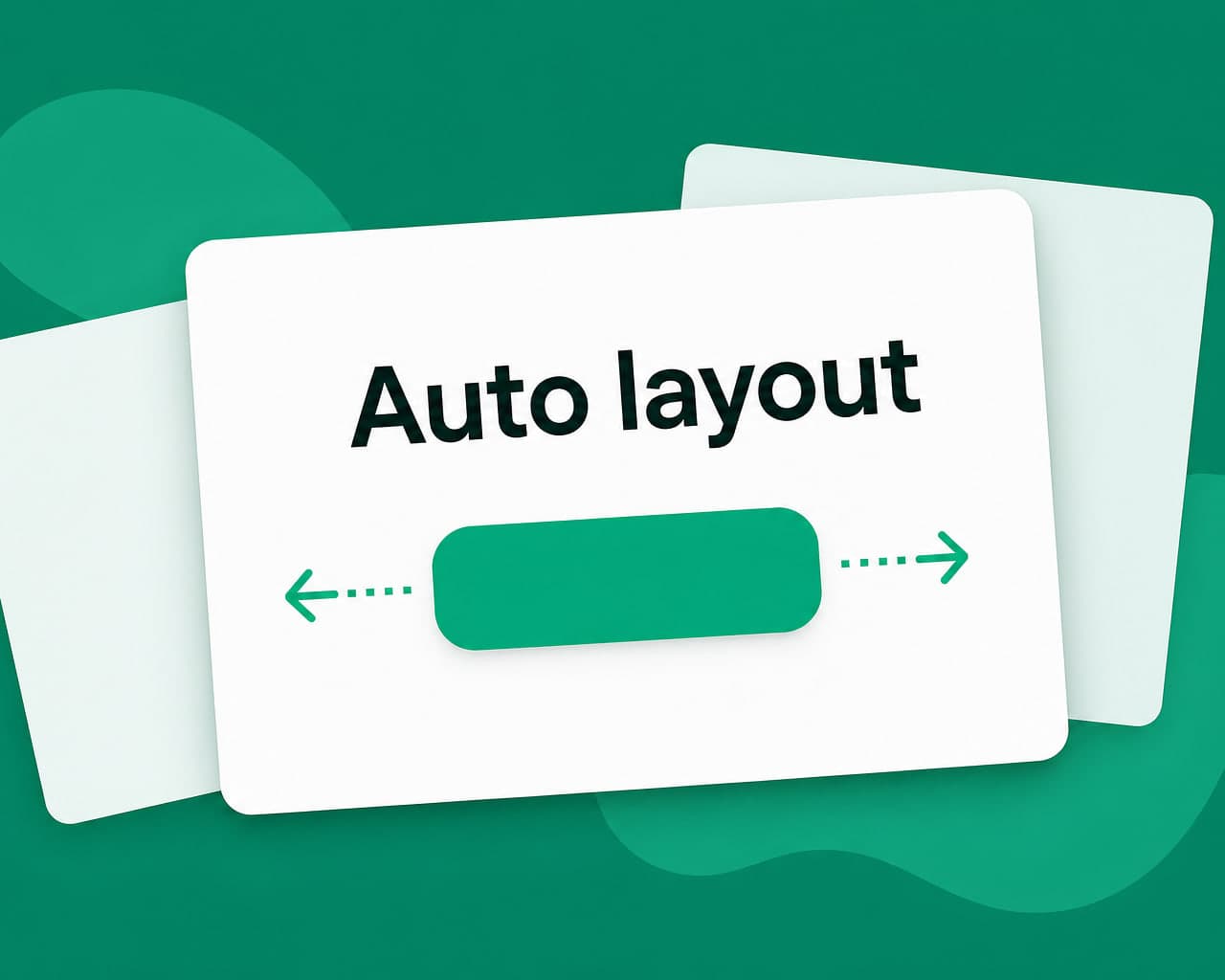
Labels attached to chart segments have the least room of anything in design work — a pie slice label that grows thirty percent has nowhere to go.
So build with the longest expected language in mind, or design labels to sit outside the shapes with leader lines, which survives expansion far better than labels placed inside segments.
Legends are safer than in-place labels for exactly that reason.
Doing it without a rebuild
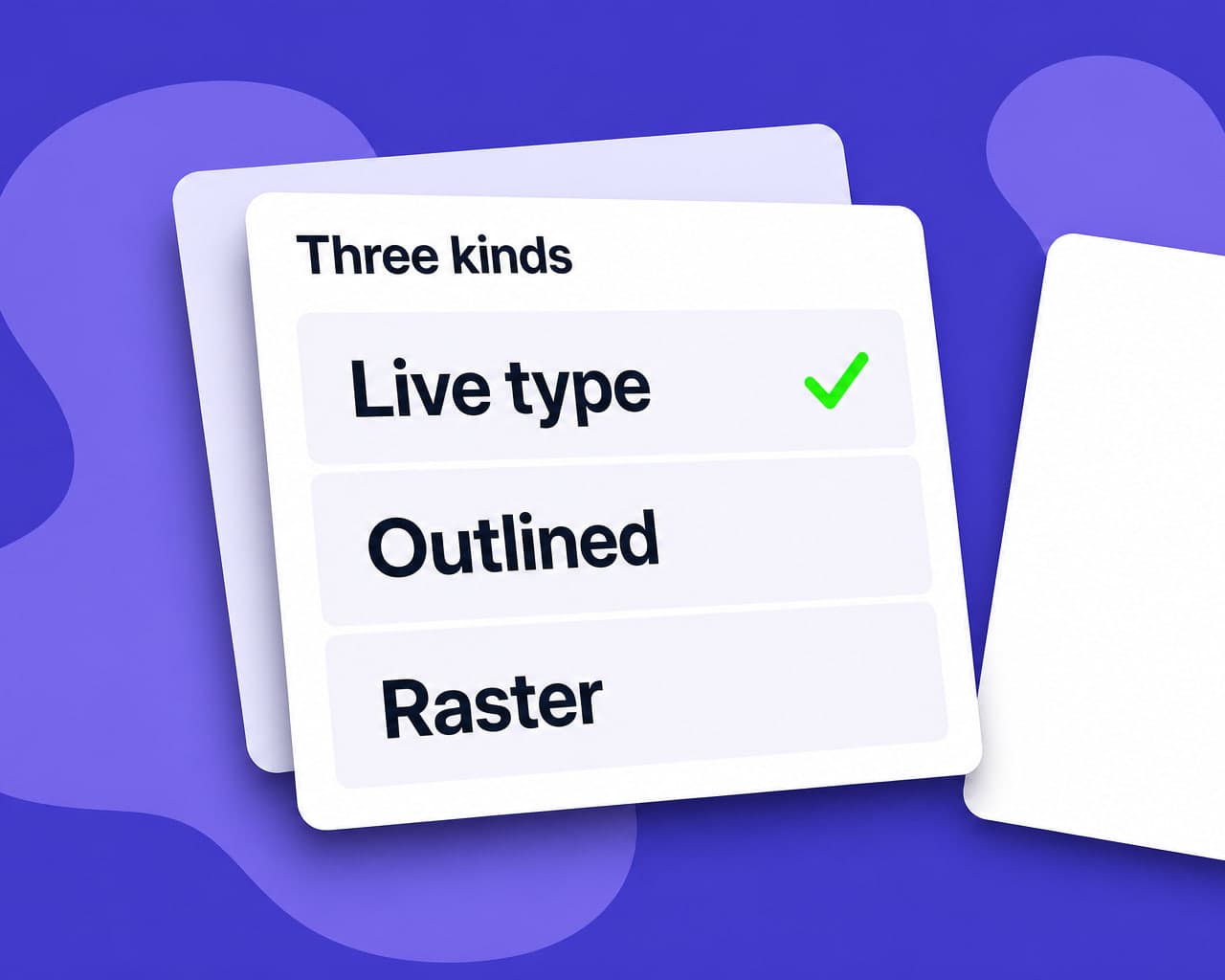
If the source is layered, image translation re-sets the type in place, and the chart geometry is untouched.
If only a flat export exists, the text has to be repainted, which works but leaves you rebuilding the background behind every label.
Either way, quality control should check the rendered result — a back-translation pass catches a mistranslated axis label or a claim in a caption, which is exactly the kind of error that a chart makes look authoritative. Technical drawings hold the same problem with identifiers that must not change — construction drawing translation.
FAQ
What makes infographics hard to translate? Text, data and layout are locked together. Labels expand and break a composition built around shorter source text, while the numbers themselves may need converting rather than translating.
What needs converting rather than translating in an infographic? Units, currency with a rate date, date order, decimal separators, and large-number grouping. A percentage of a national figure may need a local figure or should be removed entirely.
How should infographic labels be designed for translation? Outside the shapes with leader lines, or in a legend. Labels placed inside pie slices or bars have the least room of any element and break first when text expands.
Can a flat infographic image be translated? Yes, by detecting and repainting the text, though the background behind every label has to be reconstructed. A layered source is far better because the type is simply re-set in place.