Quick answer — A bank localization stack has six parts: a translation engine, a terminology store, a connector into the CMS and repository, a media pipeline for video and creative, a review workflow, and reporting. Most gaps are at the connectors.
Vitra.ai Universe covers the content, media and review parts.
Six categories, not one product
| Part | What it does | Where it usually breaks |
|---|---|---|
| Translation engine | Produces the draft | Rarely the problem |
| Terminology store | Holds the glossary | Exists in a spreadsheet |
| Connectors | Pull source, push translations | The actual bottleneck |
| Media pipeline | Video, subtitles, creative | Missing entirely |
| Review workflow | Routes by risk, records approval | Email threads |
| Reporting | Coverage, freshness, staleness | Nobody owns it |
Notice which row is least often the problem. Translation quality is what evaluations focus on and it is almost never the reason a programme stalls.
Connectors are where the time goes
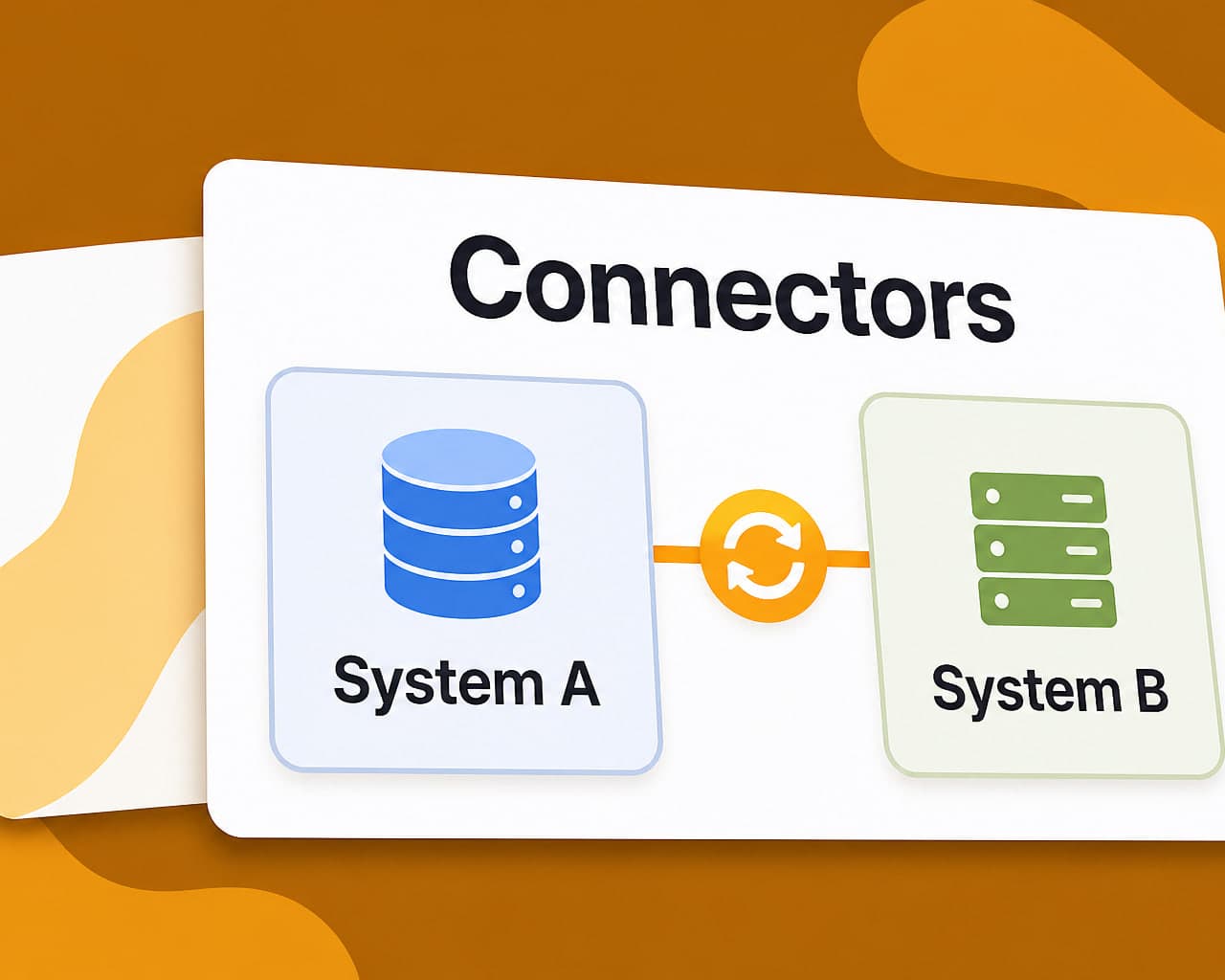
A bank's content lives in a CMS, a mobile repository, a notifications service, a document management system and somebody's design tool. Each needs a way in and a way back out. The question to ask a vendor is not whether they integrate, but what happens when the source changes after translation. If the answer involves a person noticing, that's the freshness problem arriving in twelve months' time.
Media is the gap in most stacks
Text tooling is mature and banks usually have some. Video, subtitles and creative sit outside it, get handled by an agency per campaign, and never reach the same glossary. Video dubbing, subtitles and creative localization belong on the same terminology source as the web content or the words drift apart by asset type.
Two questions worth asking early
Where is content processed, and what does the vendor retain? Those are contract questions rather than feature questions, and in a bank they decide the shortlist before anyone looks at output quality.
Where to start
Map what you have against those six rows. Who owns them is the strategy question, and the make-or-buy call is AI or agency. The empty cells are usually media and reporting, and the weakest cell is usually connectors rather than anything a demo would show you.
What the stack is for, channel by channel: AI for banking.
FAQ
What does a bank localization stack consist of? Six parts: a translation engine, a terminology store, connectors into the CMS and repositories, a media pipeline for video and creative, a review workflow routed by risk, and reporting on coverage and freshness.
Which part of the stack causes the most trouble? Connectors. Bank content sits across a CMS, a mobile repository, a notifications service and a document system, and moving content in and back out reliably is where the time goes.
What should a bank ask a localization vendor? What happens when the source changes after translation. If the answer requires a person to notice, that is the staleness problem arriving a year later. Then ask where content is processed and what is retained.
Why is media usually missing from a bank's localization stack? Because video, subtitles and creative get handled per campaign by an agency, outside whatever text tooling exists. They never reach the shared glossary, so terminology drifts between asset types.