Quick answer — A localization programme survives when one team owns the glossary and the pipeline, funding sits with the business line that benefits, and languages are added only when someone has agreed to maintain them.
Vitra.ai Universe is the delivery layer under that operating model.
The failure mode is year two, not year one
Launch year goes well. There's a budget, a project manager and visible progress. Year two is when the project manager moves on, the budget returns to business as usual, and nobody owns the Portuguese pages. Eighteen months later the content is stale and someone proposes a fresh localization project, which is the same project again.
Designing for year two is most of the work.
Ownership: one glossary, one pipeline
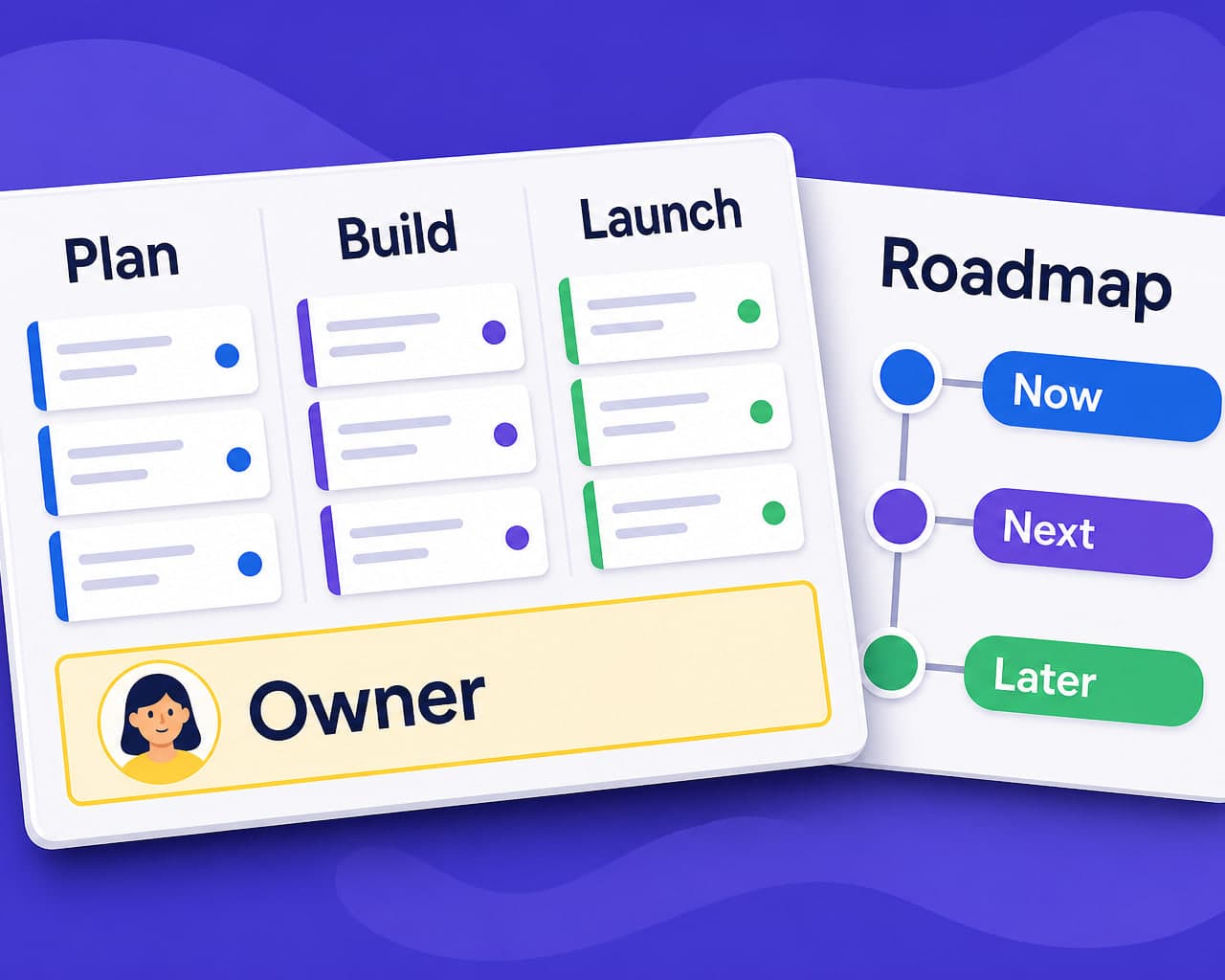
| Decision | Who should hold it |
|---|---|
| Glossary and terminology | One team, centrally, no exceptions |
| Which markets and languages | Business lines, from their own data |
| The pipeline and integrations | Engineering, as a platform not a project |
| Sign-off on regulated content | Compliance, at the script or source stage |
The glossary is the one that must not be federated. Two teams maintaining their own term lists produces exactly the inconsistency the glossary exists to prevent.
Funding it where the benefit lands
Central marketing budgets for localization get cut first, because the benefit shows up in someone else's numbers. When the retail lending line funds the translation of the lending journey, it survives the next planning round, because the person defending it is the person whose completion rate improved.
The rule that prevents most of the mess
No language ships without a named owner for keeping it current. A market added once and abandoned is worse than a market never entered — stale rates and last year's terms are a live risk, not a dormant one.
Sequencing
Two markets, deep, before nine markets, shallow. Deep means the flow end to end: pages and forms through website translation, the terms through document translation, and the video that explains them. Shallow means marketing pages and a language toggle, which is what most programmes ship and why most programmes disappoint.
Where to start
The software side is the localization stack, and the terminology side is brand voice. Write the glossary, name the owner for each language you already offer, and check whether those pages are current. That audit usually makes the case on its own, and regional language banking is usually the first place it points.
For the channel and market map this sequences, see AI for banking.
FAQ
Why do bank localization programmes fail in their second year? Because the project ends and nothing owns the output. The project manager moves, the budget returns to business as usual, and the content goes stale until someone proposes the same project again.
Who should own a bank's translation glossary? One team, centrally, with no exceptions. Federating it across business lines produces exactly the terminology inconsistency the glossary exists to prevent.
How should localization be funded inside a bank? By the business line that sees the benefit. Central marketing budgets get cut first because the improvement appears in someone else's numbers, so the person defending the spend should be the one whose completion rate moved.
Is it better to add many languages or go deep in a few? Two markets end to end beats nine markets of marketing pages. Deep means forms, confirmations, documents and video, which is the part that changes behaviour.