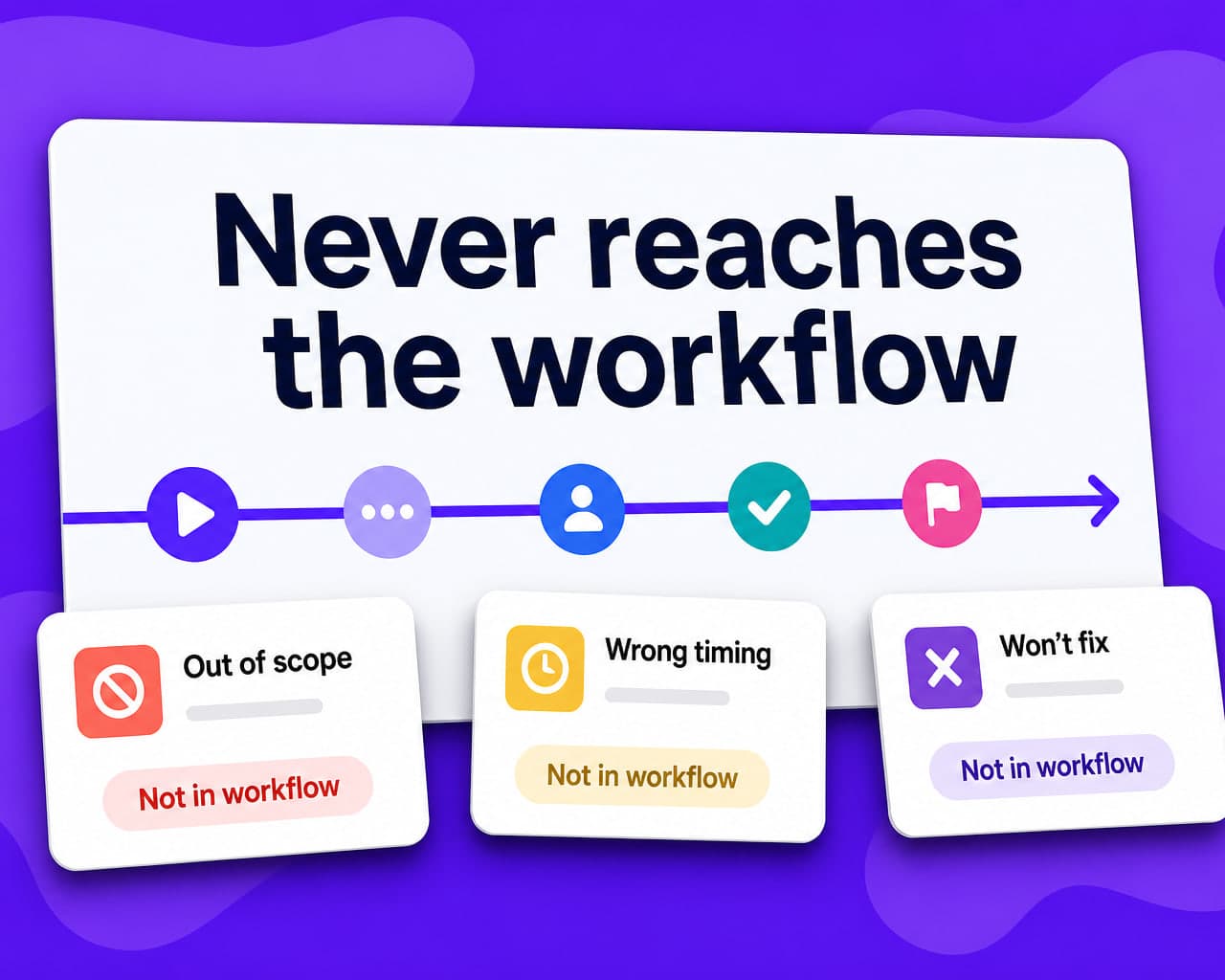
Quick answer — Customer success teams produce playbooks, QBR decks and onboarding plans that never reach a translation workflow. Localizing the reusable core and letting regions adapt the rest stops every market rebuilding it.
Vitra.ai Universe ships product and customer content in every language.
The content nobody counts
Success teams write constantly — onboarding plans, adoption playbooks, QBR decks, health-check templates, escalation scripts. Almost none of it sits in a CMS, and almost none of it is in any localization scope. So each region rebuilds it. Three versions of the same onboarding plan exist, they disagree, and nobody knows which is current.
Separate the reusable core from the local wrapper
| Content | Localize centrally | Adapt locally |
|---|---|---|
| Onboarding plan structure | Yes | Timelines, contacts |
| Adoption playbooks | Yes | Which features matter locally |
| QBR deck template | Yes | The customer's own numbers |
| Health-check criteria | Yes | — |
| Escalation paths | — | Yes, they are regional |
| Customer examples | — | Yes, local ones land better |
The structure is where the thinking is and it travels. The examples and contacts do not, and forcing them to is what makes localized success content read as imported.
Where it pays fastest
Onboarding, because it is the most repeated and the most consequential — a customer who onboards in their own language activates faster, and the same argument runs through onboarding email.
Then adoption playbooks, which are reused across every account in a region.
QBR decks last, because most of their content is customer-specific anyway.
Keep it findable and current
Success content fragments because it lives in personal drives and chat threads.
Put the reusable core somewhere addressable, version it, and translate on the change rather than in batches so regional teams trust that what they find is current. An asset manager is the difference between a library and a scavenger hunt.
One vocabulary with the product
A playbook that names a feature differently from the interface teaches a CSM to say the wrong thing to a customer.
That comes from the same memory as everything else, and quality control catches the drift before it reaches an account.
FAQ
What customer success content is worth localizing? The reusable core — onboarding plan structure, adoption playbooks, QBR templates and health-check criteria. Escalation paths and customer examples should be adapted locally instead.
Why does success content fragment across regions? Because it lives in personal drives and chat threads rather than a system, so each region rebuilds what it cannot find. Several versions then exist and disagree.
Which success content pays back fastest? Onboarding, because it is the most repeated and most consequential. A customer onboarded in their own language activates faster, which shows up in the same metrics as localized onboarding email.
How do you keep playbooks consistent with the product? By drawing feature names from the same translation memory the interface and help centre use. A playbook naming a feature differently teaches a CSM to say the wrong thing to a customer.