Quick answer — Immigration content is read under pressure by people with a great deal at stake, so it must be clear about what is required, what is optional and what the content is not. Requirements change often and translations go stale quietly.
Vitra.ai Universe runs white-labelled, and on-premise where data cannot leave.
The audience is defined by not being local
Almost every other public service can assume readers who grew up with the system. This one cannot. Readers may be unfamiliar with the institutions, the vocabulary, the document types and the order things happen in — and they are frequently reading in a second or third language while under time pressure. Content written for someone who already understands the system fails them.
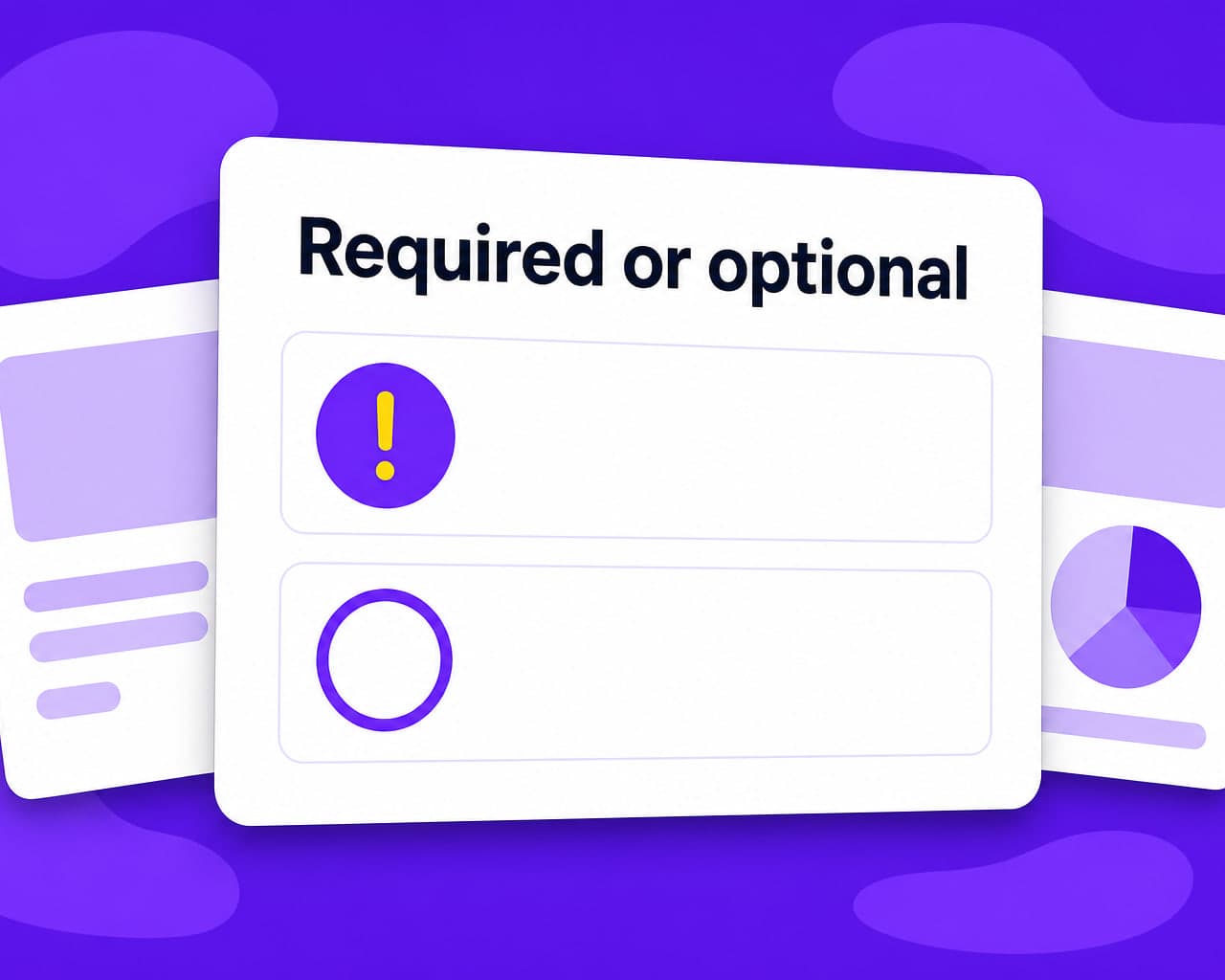
Say what is required and what is not
| Element | Why it matters |
|---|---|
| What is required | The core |
| What is optional | Prevents unnecessary effort and cost |
| What is not required | Prevents exploitation |
| Where official help exists | Free and trustworthy routes |
| What the content does not cover | Honest limits |
| When information was last updated | Requirements change |
Stating what is not required deserves emphasis. Where people are unsure, they become vulnerable to anyone offering help for a fee, and content that is explicit about what nobody needs to pay for is a protection in itself.
Do not create expectations the content cannot meet
Guidance describes a process. It does not promise an outcome, and translated guidance sometimes reads as more definite than the source because hedged language flattens in translation.
Keeping conditional language conditional is a specific instruction here, not a stylistic preference. So is being clear that guidance is not advice on an individual case.
Staleness is the quiet failure
Requirements, fees and forms change, and translated versions age at different rates than the original.
A translated page describing a superseded requirement is worse than no page, because it is acted on. Publishing a last-updated date per language and triggering translation from the source update rather than a review cycle is what prevents it — the continuous approach applied where staleness has real consequences.
Terminology has to be exact and consistent
Document names, status names, permission types and form identifiers are identifiers rather than descriptions, and translating them descriptively makes them unfindable and unverifiable.
Keep them in their official form with an explanation on first use, pinned in translation memory so every page uses the same rendering.
Delivery
Website translation covers the guidance, quality control checks terminology and conditional language across every version, and where the service handles personal data that cannot leave your estate it can run on-premise and white-labelled under your own identity.
FAQ
What makes immigration content different to write? The audience is defined by not being local. Readers may be unfamiliar with the institutions, vocabulary and sequence of steps, and are often reading in a second or third language under time pressure.
Why state what is not required? Because uncertainty makes people vulnerable to anyone offering help for a fee. Content that is explicit about what nobody needs to pay for is a protection in itself.
Why do translated immigration pages go wrong? They go stale. Requirements, fees and forms change, and translated versions age at different rates, so a page describing a superseded requirement gets acted on.
How should document and status names be handled? Kept in their official form with an explanation on first use. They are identifiers rather than descriptions, and translating them descriptively makes them unfindable and unverifiable.