Quick answer — Multilingual storefronts do increase sales, but the gain shows up in checkout completion rather than in traffic. Shoppers browse comfortably in a second language and abandon at the point where money and legal terms appear.
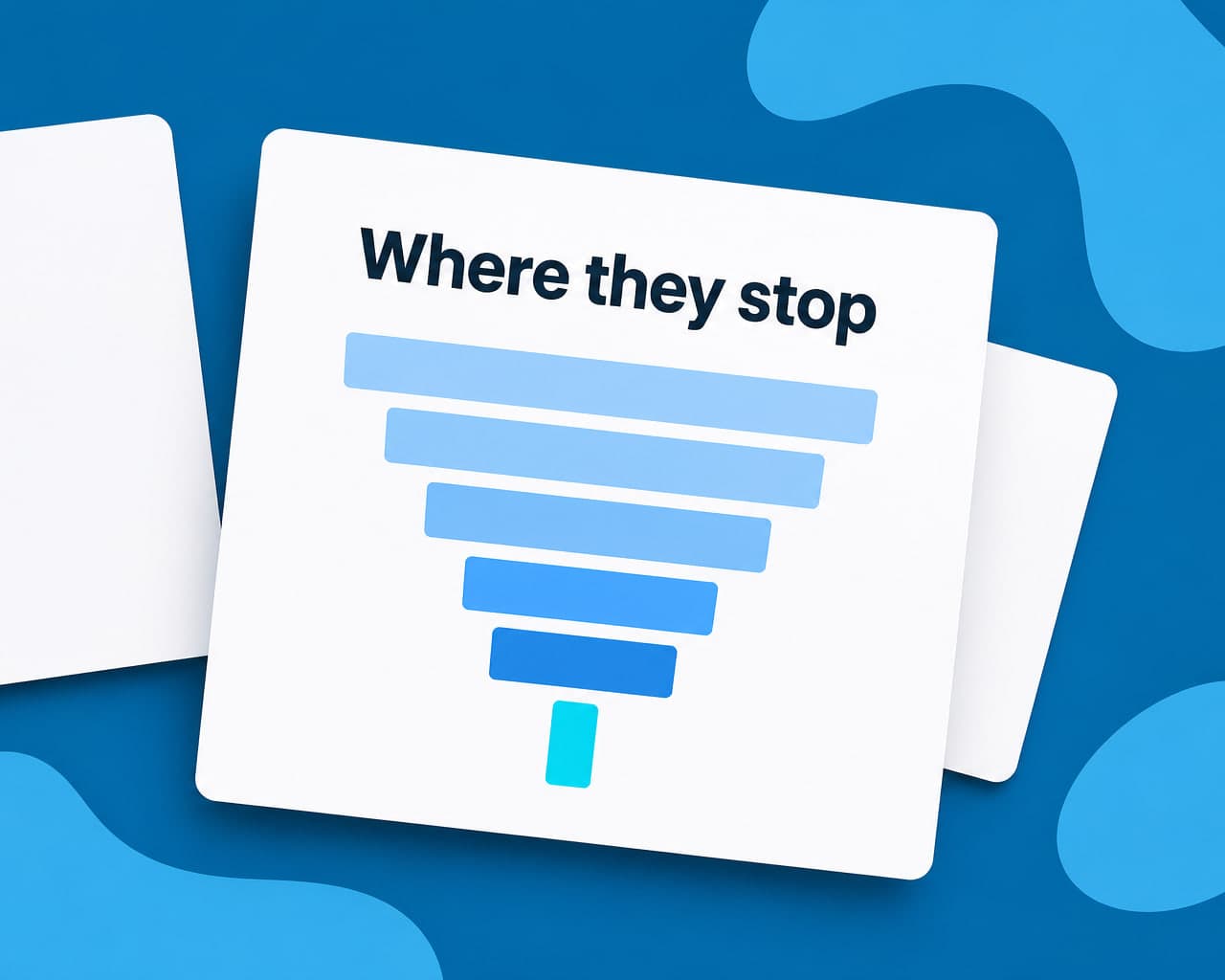
The lift is at the bottom of the funnel
The common assumption is that translation brings new visitors. It does, slowly, through search. The faster and larger effect is on people already on the site.
A shopper with functional English will browse, compare and add to basket without difficulty. Then the checkout asks about delivery terms, returns rights, duties and a privacy consent, and comfort runs out precisely where the commitment is largest. That is the abandonment point, and it is why checkout copy returns more per translated word than the homepage does.
Trust signals do not survive translation gaps
Returns policy, warranty, delivery promise, contact route. A shopper deciding whether to hand over card details reads these, and finding them in a language they do not read is an answer in itself.
What actually moves the number
Checkout and payment copy. Delivery and returns. Error and validation messages. Order confirmation and tracking. All templated, all small, all currently English.
Translate those four through website translation and the effect is measurable within a quarter, without touching a single product description. Translation memory means the second market costs almost nothing.
Measure it properly
Compare completion rate for the same market before and after, not total revenue, which moves for a dozen other reasons. If completion in that market approaches the domestic rate, the work is done.
Where to start
Checkout, then returns and delivery, then product content.
Retail website translation covers the build and multilingual product pages the search side.
FAQ
Does translating a storefront actually increase sales? Usually, though the gain appears in checkout completion rather than in traffic. Shoppers with functional English browse comfortably and abandon where money and legal terms appear.
Which pages return the most per translated word? Checkout and payment copy, delivery and returns, validation messages, and order confirmation. All templated, all small, and almost always still in English after a translation project.
Why does the checkout matter more than the homepage? Because comfort in a second language runs out exactly where commitment is largest. A shopper who browsed happily stops when asked about duties, returns rights and consent in a language they do not read.
How should the effect be measured? By checkout completion rate for the same market before and after, not by total revenue, which moves for a dozen unrelated reasons. Completion approaching the domestic rate is the target.