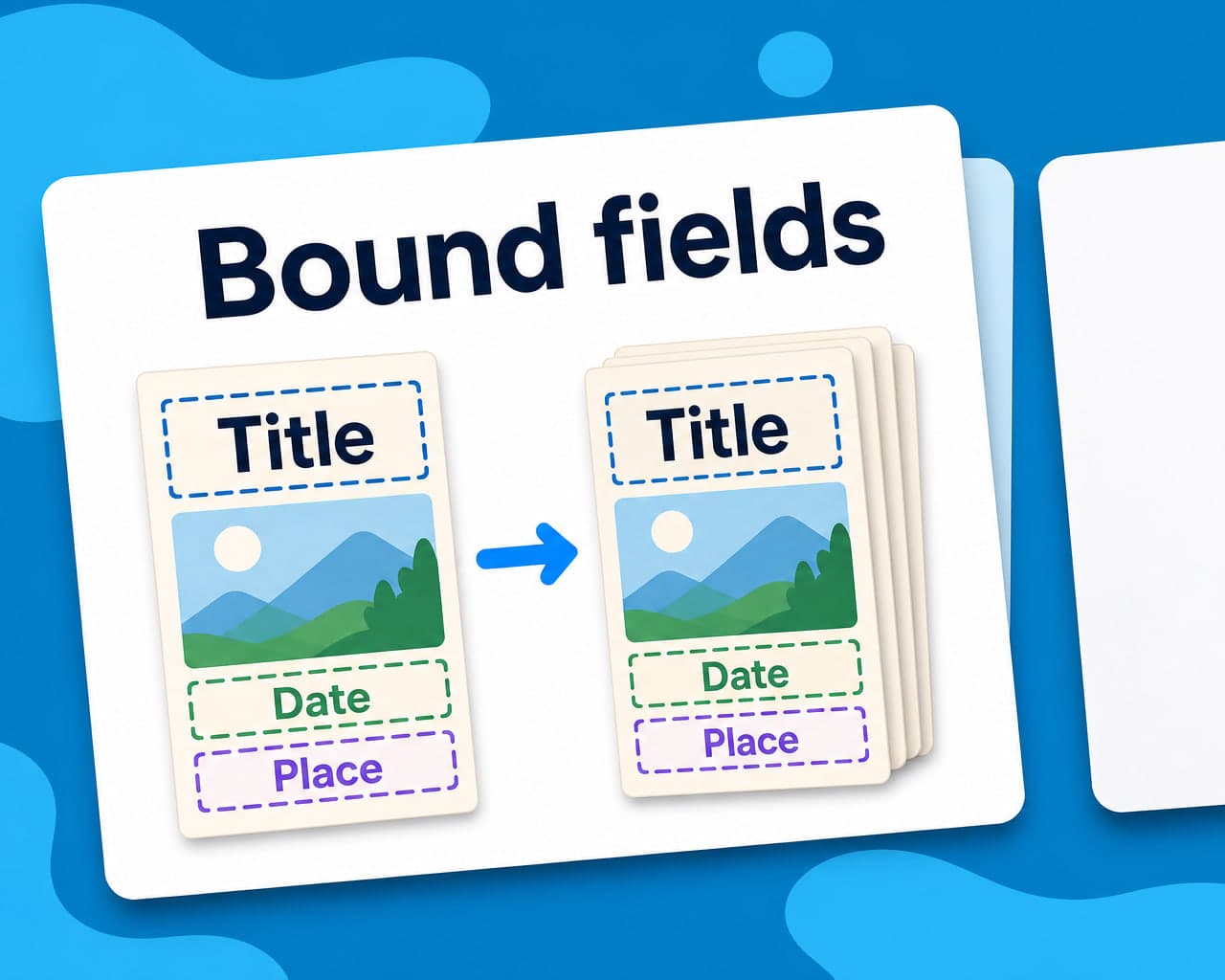

Quick answer — A regional edition needs different story selection and framing, not just translation. The shared layer is reporting; the local layer is what leads, what context is assumed, and what is legally publishable.
Vitra.ai Universe turns one story into every edition.
Translation is the smallest part
Publishers launching a regional edition often start by translating the existing one, then wonder why engagement is poor.
The reason is that an edition is defined by what it leads with and what it assumes the reader already knows. Those are editorial decisions, and translation does not make them.
Three layers
| Layer | Shared or local |
|---|---|
| Reporting and facts | Shared |
| Story selection and ordering | Local |
| Framing and assumed context | Local |
| Headlines | Local |
| Legal review | Local |
| Background explainers | Shared, translated |
The shared layer is where the economics work. Reporting is expensive and travels; selection is cheap and does not.
So the operating model is one reporting pool, several editorial front pages — rather than several newsrooms or one translated feed.
Assumed context is what gives it away
A story written for one market takes background for granted that another does not have, and a translation carries the gap across.
The fix is small and consistent. Add a sentence of context wherever the source took background for granted, and link to a translated explainer for anything needing more than a sentence. It costs an editor a minute per story, and it is the clearest signal that somebody in the market read the piece before it published. Skipping it is what makes an edition read as imported however good the translation underneath is.
Doing that well is the difference between an edition that reads as local and one that reads as imported.
Running several without multiplying cost
Shared memory across editions so names and terminology resolve identically, website translation handling the delivery, and a per- edition editor making selection calls rather than translating.
The archive and the evergreen explainers are shared and translated once, as covered in archive translation.
Run quality control on the output so a small per-edition team is not also the proofreading function.
FAQ
Is a regional edition just a translated edition? No. An edition is defined by what it leads with and what background it assumes, which are editorial decisions. Translation handles the reporting layer but makes none of those calls.
What is shared between regional editions? Reporting, facts and evergreen explainers, because reporting is expensive and travels. Story selection, ordering, headlines, framing and legal review are local and comparatively cheap.
Why do translated editions read as imported? Because the source assumed background the new audience does not have. Adding a sentence of context where the original took it for granted is what makes an edition read as local.
How many staff does a regional edition need? Fewer than a newsroom. The model is one shared reporting pool with a per-edition editor making selection and framing decisions, rather than duplicating reporting or simply publishing a translated feed.