Quick answer — Translate support content by fault frequency, not by product. Fault codes and error identifiers stay in the source form so they remain searchable, while the explanation and the fix get translated.
Vitra.ai Universe keeps one approved technical vocabulary across every document.
The user arrives with a code
A technician does not browse support content. They have an alarm on a panel, a code, and a line that is stopped. So the content has to be findable by that code and readable in the next thirty seconds. Everything else about it is secondary.
Codes stay, explanations translate
| Element | Handling |
|---|---|
| Fault and alarm codes | Never translated, always visible |
| Fault description | Translated |
| Likely causes | Translated |
| Corrective steps | Translated, order preserved |
| Component names | Match manual and catalogue |
| Safety warnings in a procedure | Translated, imperative kept |
| Escalation contact | Local |
Keeping the code untranslated is what lets a technician search it, a distributor match it, and support reference it across languages. Translating it removes the one string that reliably identifies the fault — the same principle as error message translation in software.
Prioritise by frequency, not catalogue
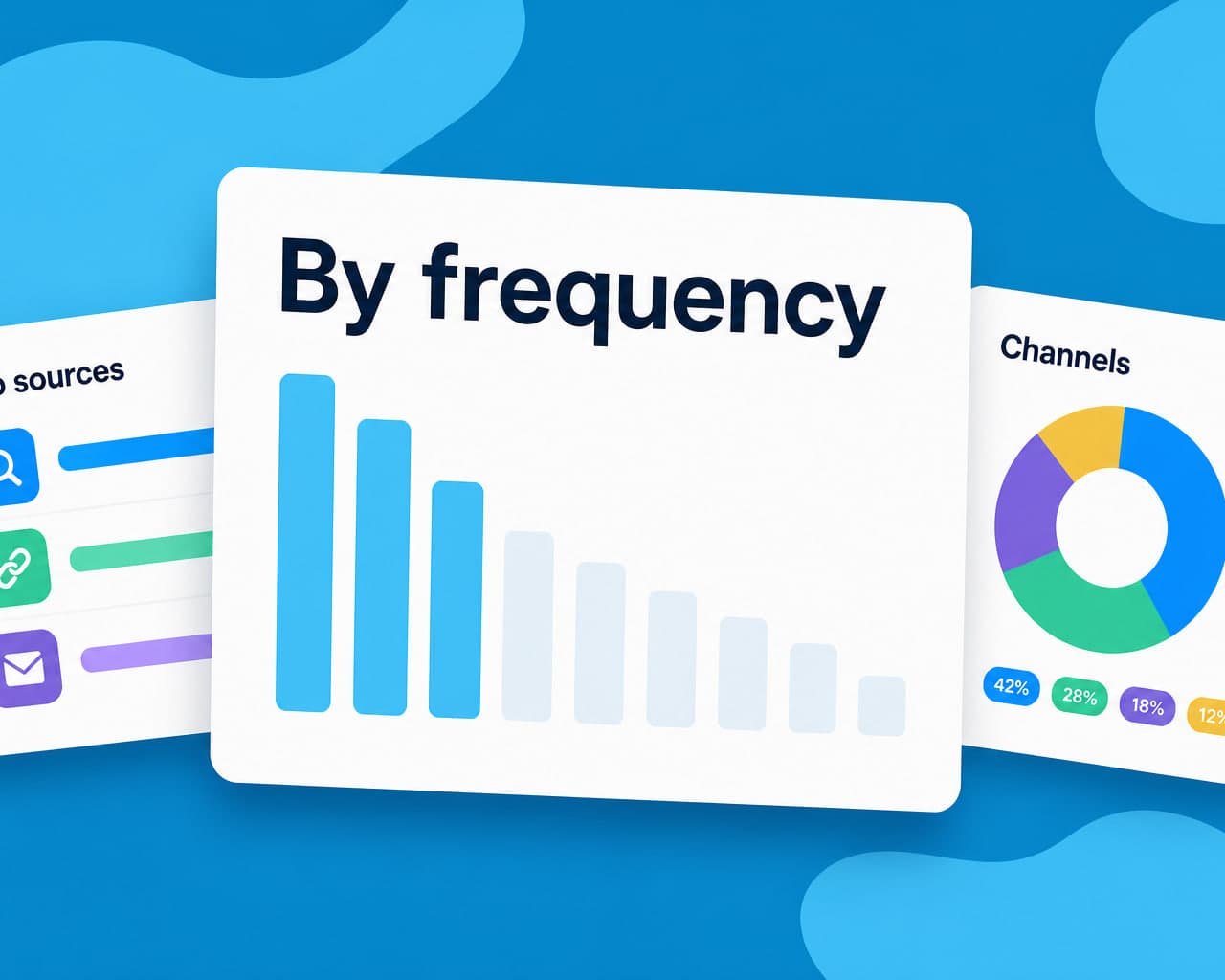
Pull the support ticket data. A small number of faults generate most contacts, and that list rarely matches how the documentation is organised.
Translating those first serves most of the demand before the long tail is touched, and it moves a number — first-contact resolution in that language — within weeks.
Photographs and panel screenshots
Support content leans on images of a panel, a connector, a wear pattern. Any label inside those needs image translation, and a procedure referring to a control by an English label the technician cannot find is worse than no procedure.
Keep it current and consistent
Support content changes with firmware and revisions, so translate on the change with segment memory rather than in batches.
Component naming has to match the manual exactly, and quality control can verify that across the corpus rather than by sampling — which is the only way it holds across a product range.
FAQ
Should fault codes be translated? No. Codes and error identifiers stay in their original form so they remain searchable and can be matched across languages by technicians, distributors and support teams.
Which support content should be translated first? The faults that generate the most tickets. That list usually does not match how documentation is organised, and translating it first serves most of the demand quickly.
What is missed in translated support content? Labels inside photographs and panel screenshots. A procedure that names a control the technician cannot find on their localized panel is worse than no procedure at all.
How is support content kept current? Translated on the change rather than in batches, since it moves with firmware and machine revisions. Segment memory keeps an updated procedure costing a procedure.