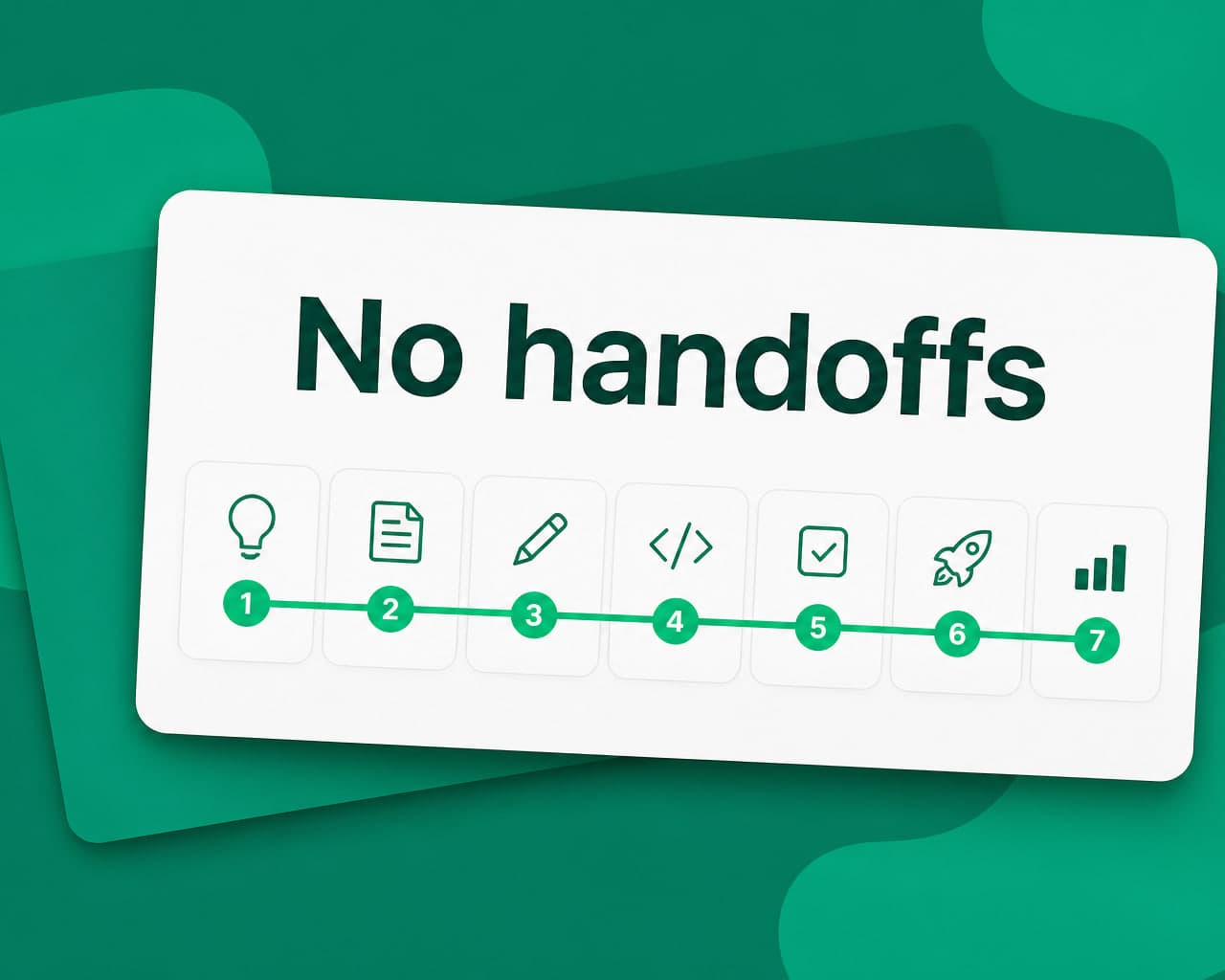
Quick answer — A multilingual calendar plans backwards from the publish date in every market at once, with a translation and review window built in. Planning in the source language and translating afterwards makes every other market permanently late.
Vitra.ai Universe creates, translates, adapts and publishes from one place.
Sequential planning makes lateness structural
The default is to plan the source-language calendar, publish, then send for translation. Every other market is then behind by the length of the translation and review cycle, permanently.
That gap is invisible in the source market and obvious in every other one, and it is why regional teams start producing their own content — which is how a consistent brand becomes several.
Plan backwards from simultaneous publication
Work back from the date you want every market live.
| Working back from launch | Window |
|---|---|
| Publish, all markets | Day 0 |
| Final approvals | −1 day |
| Quality check and fixes | −2 days |
| Translation and adaptation | −4 days |
| Source copy final | −5 days |
| Brief and terminology confirmed | −10 days |
The number that surprises people is source copy final at day −5. Teams routinely edit source copy up to the day of publication, and every edit after the translation window restarts part of it.
Freezing the source is the single change that makes simultaneous publication possible.
Not everything needs to be simultaneous
Trying to launch everything everywhere at once is how calendars collapse.
Tier the content. Launches, regulatory notices and campaign moments are simultaneous; evergreen and supporting content follows on a rolling basis, which smooths the load and keeps the urgent things genuinely urgent.
Build the local slots in
A calendar containing only translated content produces markets that read as imported.
Leave room for local moments — national holidays, regional events, market- specific launches — planned by the local team rather than allocated centrally. That is the same central-versus-local split covered in federated teams.
What shortens the window
Terminology settled in advance so the translation window is production rather than debate. Memory coverage, which shortens the window every quarter as reuse rises. And review routed by risk through quality control, so approvals are a day rather than a queue. Measure the actual gap between source publication and the last market. If it is not shrinking, the calendar is not the problem — the pipeline underneath it is.
FAQ
Why do multilingual content calendars fall behind? Because they are planned in the source language and translated afterwards, so every other market is permanently behind by the length of the translation and review cycle.
How far ahead should source copy be frozen? About five days before simultaneous publication. Teams routinely edit source copy up to publication day, and every edit inside the translation window restarts part of the work.
Should every piece of content launch in all markets at once? No. Tier it — launches, regulatory notices and campaign moments simultaneously, evergreen content on a rolling basis. Trying to synchronise everything is how calendars collapse.
What should a multilingual calendar leave room for? Local moments planned by local teams: national holidays, regional events and market-specific launches. A calendar of only translated content produces markets that read as imported.