Quick answer — Policy wording is the one document where translation quality becomes a coverage question. Defined terms, exclusions and conditions have to carry the same meaning in every language, because a claim will eventually be decided against whichever version the customer read.
Vitra.ai Universe keeps structure and terminology intact across languages.
Where this goes wrong
An insurer translates its policy wording. Two years later a claim is declined under an exclusion. The policyholder produces the version in their own language, in which the exclusion reads slightly narrower — a single word, chosen by a translator with no insurance background, that changed what was excluded.
The dispute is no longer about the claim. It is about which document governs, and that is an expensive argument to have.
Defined terms are not ordinary words
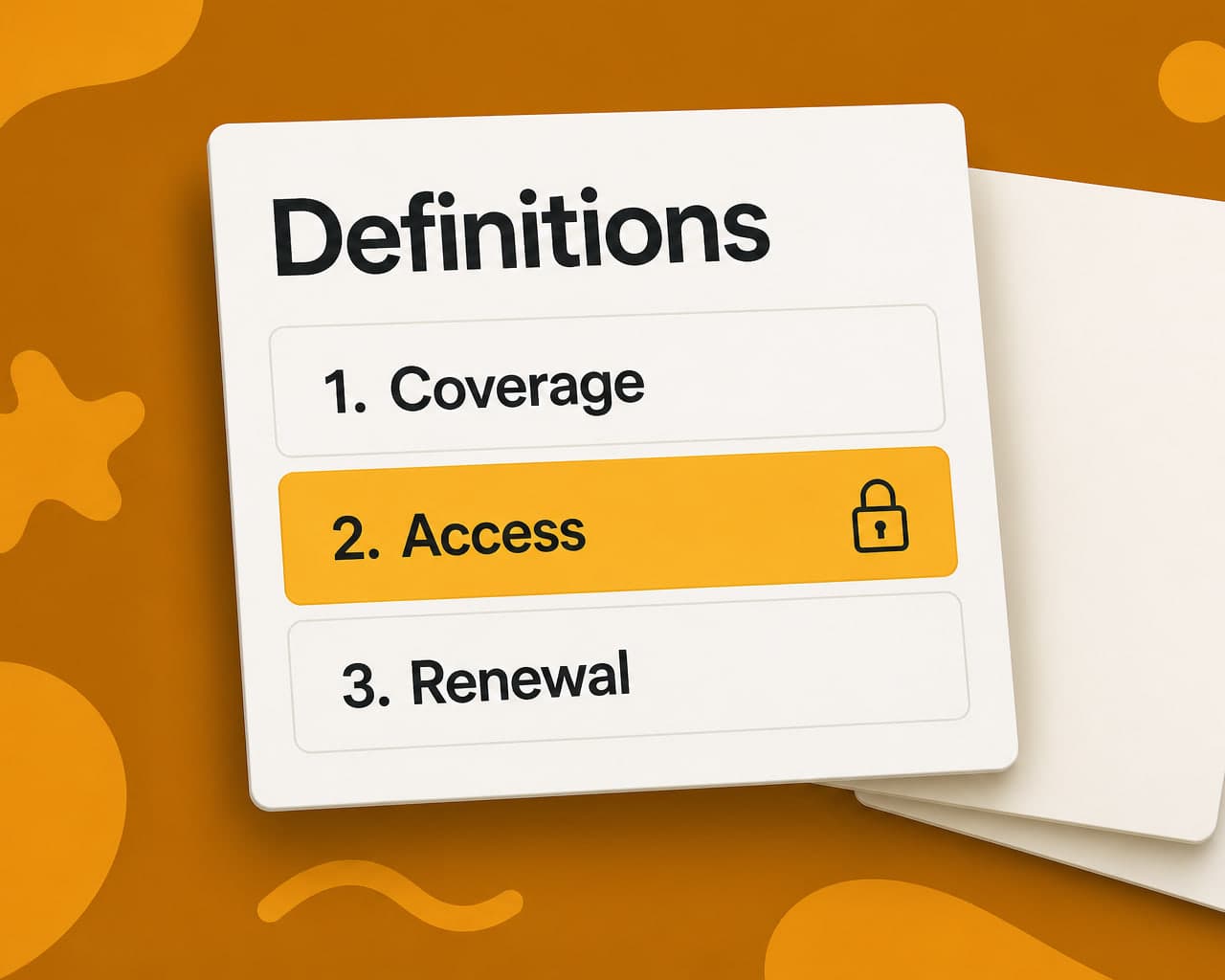
Every policy defines its own vocabulary, and those definitions are the load- bearing part of the contract.
| Term type | How to handle it |
|---|---|
| Defined terms | Translate once, lock, use identically everywhere |
| Statutory terms | Use the market's official term, never a literal rendering |
| Exclusions | Literal and conservative, reviewed by someone who writes policies |
| Benefit tables and limits | Structure and numbers preserved exactly |
| Marketing descriptions of cover | Adaptable, and must not contradict the wording |
The last row is the quiet failure. A brochure that describes cover more generously than the wording allows creates a reasonable-expectations problem even when the policy itself is translated perfectly.
Literal, except where literal is wrong
The instinct with legal text is word-for-word, and it is right most of the time. The exception is a term with a specific legal meaning in the target market that differs from the source. Translating "excess" literally into a market that operates a different mechanism produces a document that is faithful to the words and wrong about the product.
That is a job for someone who knows both the insurance and the jurisdiction, not for a reviewer checking fluency.
Which version governs
Decide it, write it down, and put it in the document. Many insurers state that one language governs in the event of conflict — but a clause saying so does not help much with a consumer regulator if the customer could only read the other one. The clause is a legal position, not a comprehension defence.
Making it survivable
Document translation that preserves numbered clauses, cross-references and tables is doing compliance work here, because a wording whose clause numbers have shifted is unusable in a claim. Translation memory matters more than usual: policy language repeats heavily across products, and locking a defined term once means it cannot drift when the next product launches.
Where to start
Which wordings carry the most exposure varies: liability, annuities, marine, cyber and reinsurance each have their own answer.
Take the definitions section of your highest-volume product and have it reviewed by someone who both writes wordings and speaks the language. That one section governs the interpretation of everything after it.
The same reasoning applies to any instrument that defines its own vocabulary — contract translation and defined terms.
Wordings are one surface of many — AI for insurance covers the rest.
FAQ
Why is policy wording translation different from other content? Because a claim will eventually be decided against whichever version the customer read. A single word that narrows an exclusion turns a claims decision into a dispute about which document governs.
How should defined terms be translated in a policy? Translated once, locked, and used identically everywhere. Defined terms are the load-bearing part of the contract, so a synonym appearing in one document and not another creates ambiguity.
Should policy wording be translated literally? Usually, with one exception: a term carrying a different legal meaning in the target market. Rendering it literally produces a document faithful to the words and wrong about the product.
Does a governing-language clause solve the problem? Only partly. It is a legal position rather than a comprehension defence, and it carries limited weight with a consumer regulator if the customer could only read the other version.