Quick answer — Marine contracts run in English and the people affected by them frequently do not. The valuable localization in this line is not the policy — it is the operational material a crew, a port agent or a warehouse actually reads.
Vitra.ai Universe covers the document, image and video surfaces marine operations touch.
The contract is English. The deck is not.
Marine insurance is one of the most linguistically settled markets in the world: the wordings are English, the market is London-centred, and the brokers and underwriters work in English by convention.
Then the cargo is loaded by a crew from four countries, inspected by a surveyor in a fifth, and stored in a warehouse whose staff read none of the above.
The gap between those two facts is where marine losses get worse than they needed to be.
What each capability does here
| Capability | For marine |
|---|---|
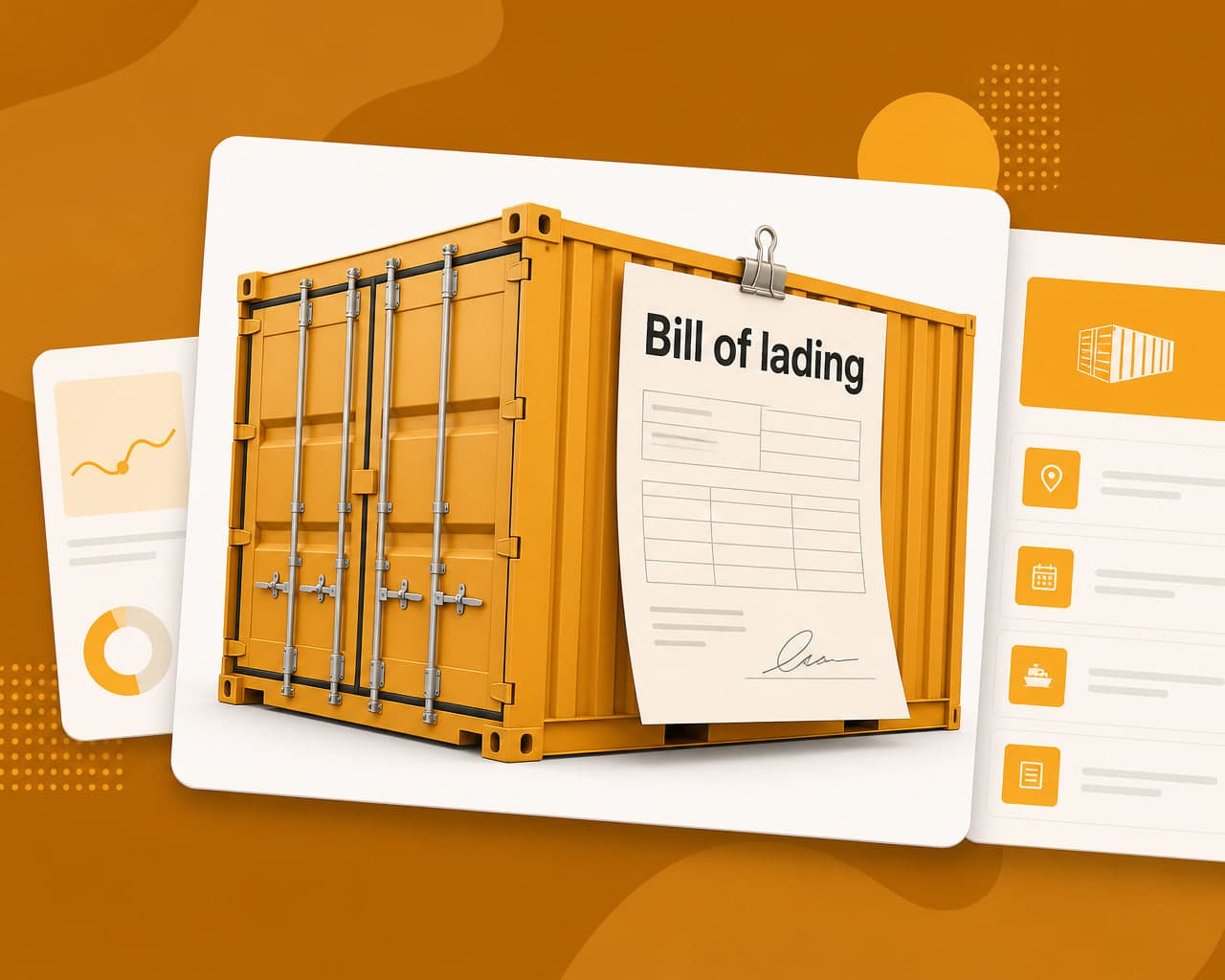
| Document translation | Survey reports, packing and lashing guidance, claim documentation |
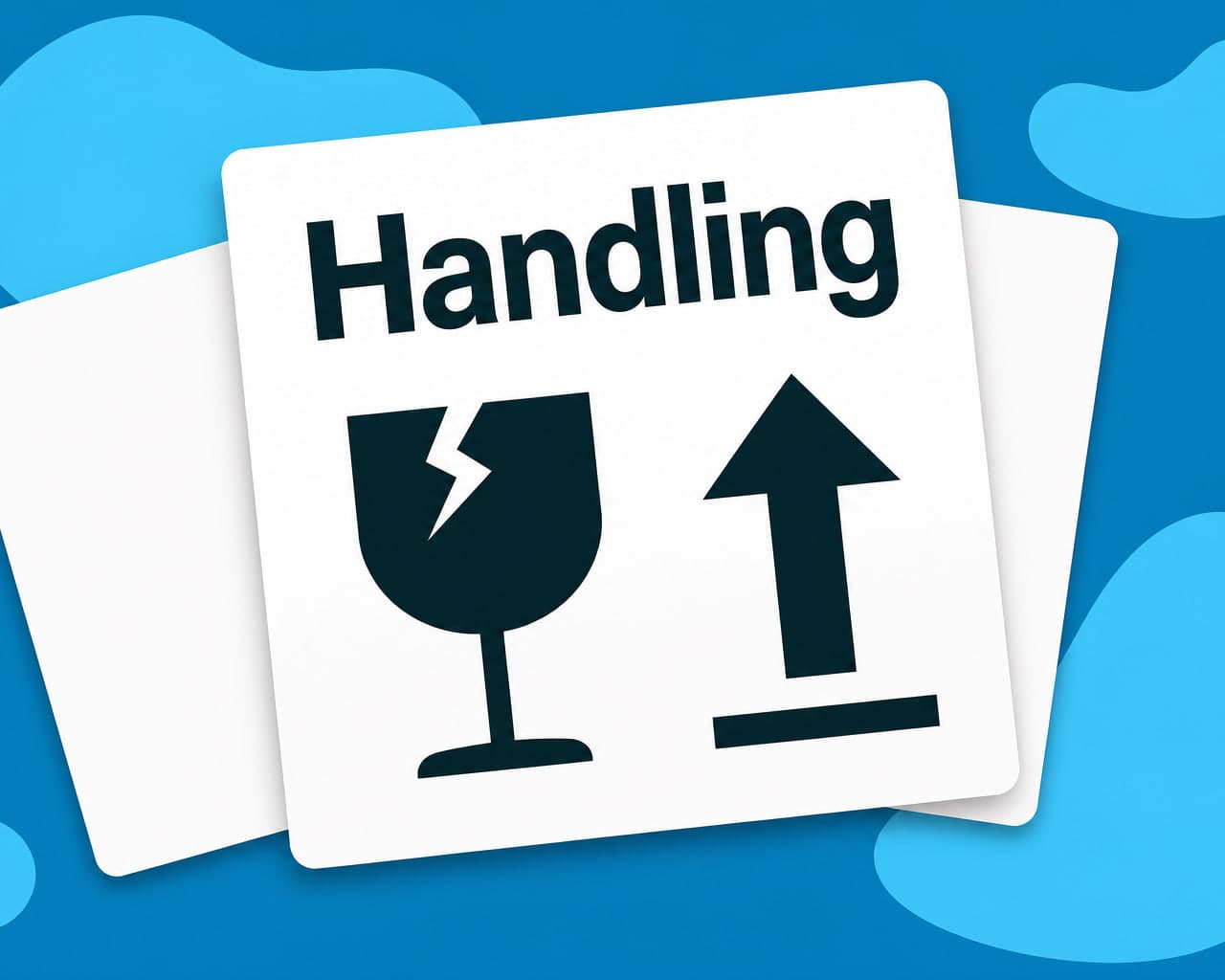
| Image translation | On-vessel and warehouse signage, handling labels |
| Video dubbing | Loss-prevention training for multinational crews |
| Video creation | Cargo-specific handling guidance, produced per commodity |
| Website translation | Broker-facing product and clause pages |
| Quality control | Screening safety imagery across the flag states you cover |
| Translation memory | Clause and commodity vocabulary is highly standardised |
| Knowledge base | Port and jurisdiction guidance for claims teams |
Loss prevention is the localization case
Marine underwriters spend real money on loss prevention — guidance on stowage, lashing, temperature, contamination. It is written in English and handed to crews whose working language is Tagalog, Ukrainian, Hindi or Mandarin.
Guidance nobody can read does not prevent losses. This is the clearest loss-ratio argument for translation anywhere in insurance, and it is under-exploited because marine assumes English is universal in the industry. It is universal among the people who write the policies, not among those who follow the instructions.
Survey reports carry the claim
A marine claim frequently turns on a survey conducted in one language, reported in another, and argued in a third. Terminology precision matters more than elegance, because a description of damage becomes the evidence.
Broker-facing content is a separate audience
Marine is broker-placed almost everywhere. Brokers read English fluently, so this is one of the few insurance lines where the distribution content genuinely does not need translating and the operational content urgently does.
Where to start
One loss-prevention guide for your largest commodity class, dubbed into the three most common crew languages on the vessels you insure. Directly tied to claims frequency, and nobody else in the market is doing it.
The documents behind it cross more borders than the cargo does — see marine insurance translation.
Marine sits with the border lines in AI for insurance.
FAQ
Does marine insurance need translation if the market runs in English? The contracts do not; the operations do. Wordings and broking are English by convention, but the crews, surveyors and warehouse staff who handle the cargo frequently work in other languages.
What is the strongest translation case in marine insurance? Loss prevention. Stowage, lashing and handling guidance is written in English and given to crews working in Tagalog, Ukrainian, Hindi or Mandarin, and guidance nobody can read does not prevent losses.
Why do marine survey reports matter for translation? Because a claim often turns on a survey conducted in one language, reported in another and argued in a third. The description of damage becomes evidence, so terminology precision matters more than fluency.
Does marine broker content need translating? Usually not. Marine is broker-placed and brokers read English fluently, which makes this one of the few lines where distribution content can stay in English while operational content urgently cannot.