Quick answer — Liability is the longest-tail line in insurance. A claim can arrive decades after the policy period, against a wording nobody has read since, so the translation decisions you make today are being made for a reader who does not work here yet.
Vitra.ai Universe covers the document, web and knowledge surfaces liability depends on.
You are writing for a stranger in twenty years
Professional indemnity, product liability and directors' cover all share a shape: the exposure begins now and the claim may not surface for a very long time. Asbestos claims are still being argued against wordings written before most claims handlers were born.
So the question is not whether a translation reads well today. It is whether somebody in 2046, in another country, can establish what this clause meant.
What each capability does here
| Capability | For liability |
|---|---|
| Document translation | Wordings and endorsements, with clause numbering preserved for archive |
| Translation memory | The record of which term meant what, when — the point of it in this line |
| Knowledge base | Jurisdictional guidance for handlers picking up an old claim |
| Website translation | Broker and product pages |
| Video dubbing | Risk-management training for the insured's professionals |
| Video creation | Sector-specific exposure briefings |
| Quality control | Screening professional imagery across markets |
| Mobile app translation | Least relevant of any line — there is barely a consumer app |
Terminology drift is the specific risk
If your definition of a term changed in 2031 and the archive does not record which version applied to a 2027 policy, you have an argument rather than a record.
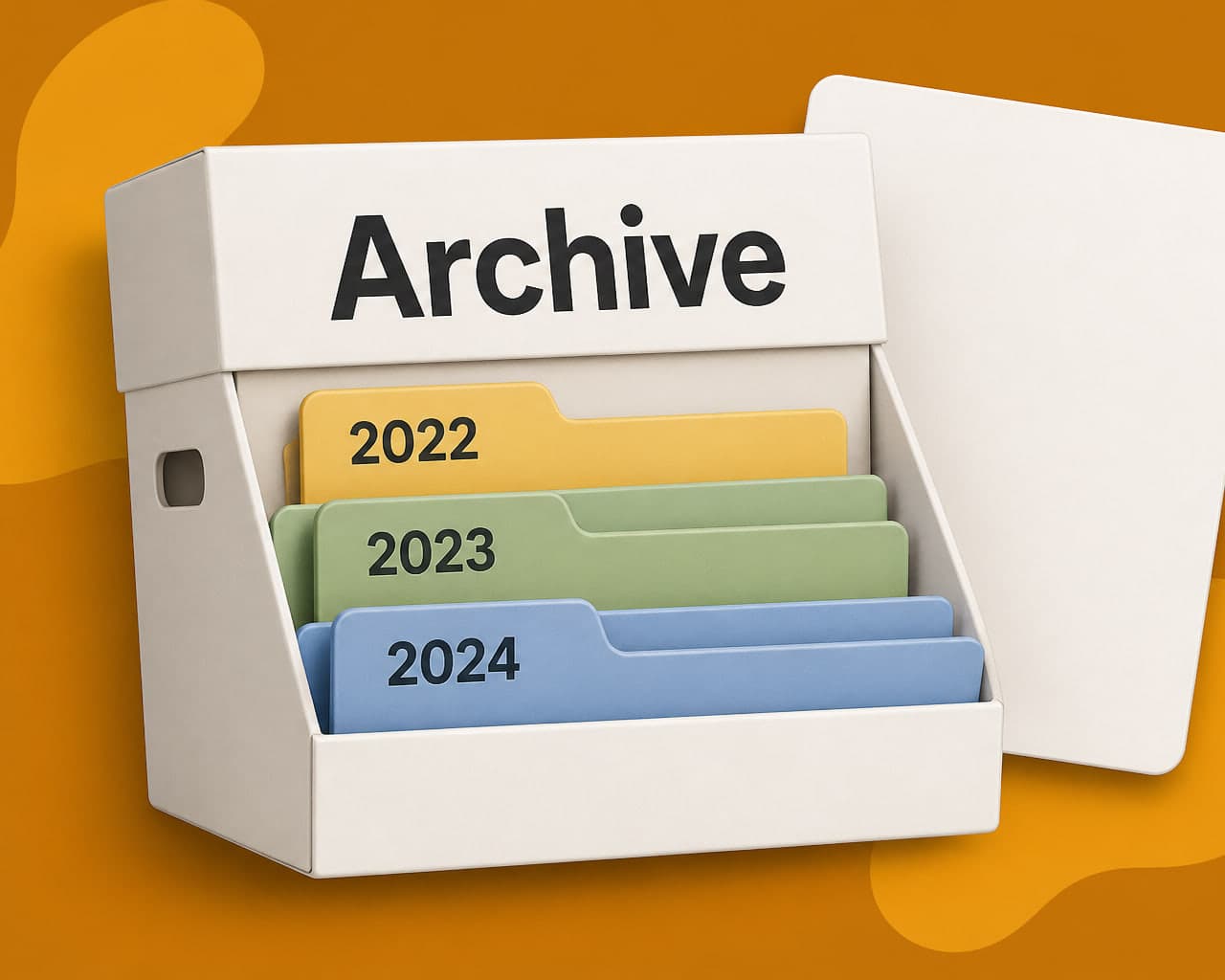
That is why translation memory matters here for a reason unlike any other line. Not cost, not speed — provenance. The value is knowing exactly which approved rendering was in force when a given wording was issued.
Treat the memory as an archive with a version history, not as a cost-saving cache.
The consumer surfaces barely exist
Liability is broker-placed and business-bought. There is rarely a mobile app, the website is a distribution surface rather than a service one, and nobody personalizes anything.
This is worth saying plainly because it is the only line here where most of the capability list is genuinely low priority. Documents and archive are the job.
Training the insured is the growth area
Professional-indemnity insurers increasingly provide risk management to their insureds — file-note discipline, engagement letters, complaint handling. That content reaches professionals in the market's own working language, and it reduces claims frequency rather than marketing the product.
Where to start
Establish version history on your wording terminology before translating more of it. Volume without provenance creates the exact ambiguity this line cannot afford.
Getting it retrievable rather than merely translated is covered in liability insurance translation.
Liability is a long-document line — see AI for insurance.
FAQ
Why does liability insurance translation need such a long view? Because the claim can arrive decades after the policy period. Asbestos claims are still argued against wordings written before most handlers were born, so today's translation is being made for a reader who does not work here yet.
Why does translation memory matter differently in liability? For provenance rather than cost. The value is knowing exactly which approved rendering of a term was in force when a wording was issued, so the memory should be treated as a versioned archive, not a cache.
Which capabilities matter least for liability insurers? The consumer-facing ones. Liability is broker-placed and business-bought, so there is rarely a mobile app and nothing gets personalized. Documents and archive are the job.
What is the growth area for liability content? Risk management for the insured's own professionals - file-note discipline, engagement letters, complaint handling. It reaches them in their working language and reduces claims frequency rather than marketing cover.