Quick answer — Signage translation is constrained by fixed space and glance reading, so symbols carry more than words and the language set has to be decided rather than accumulated. Consistency across a site matters more than elegance.
Vitra.ai Universe runs white-labelled, and on-premise where data cannot leave.
Read while moving
A sign has perhaps a second of attention from someone walking, driving or carrying something.
That rules out anything requiring a second reading. Short, concrete, and in the same words the same thing is called everywhere else on the site — a sign that uses a different term from the one on the previous sign has created a doubt at exactly the wrong moment.
Space does not expand
Sign faces are manufactured, mounted and fixed, and translated text is usually longer than the source.
| Constraint | Consequence |
|---|---|
| Fixed sign area | No reflow available |
| Minimum legible text size | Cannot shrink to fit |
| Multiple languages on one face | Each gets less space |
| Manufacturing lead time | Late changes are expensive |
| Consistency across a site | One term, everywhere |
| Symbol availability | Reduces text need |
The workable approach is to write the source short enough that the longest language still fits at a legible size, and to design the face against that language rather than the source.
Symbols do more than words
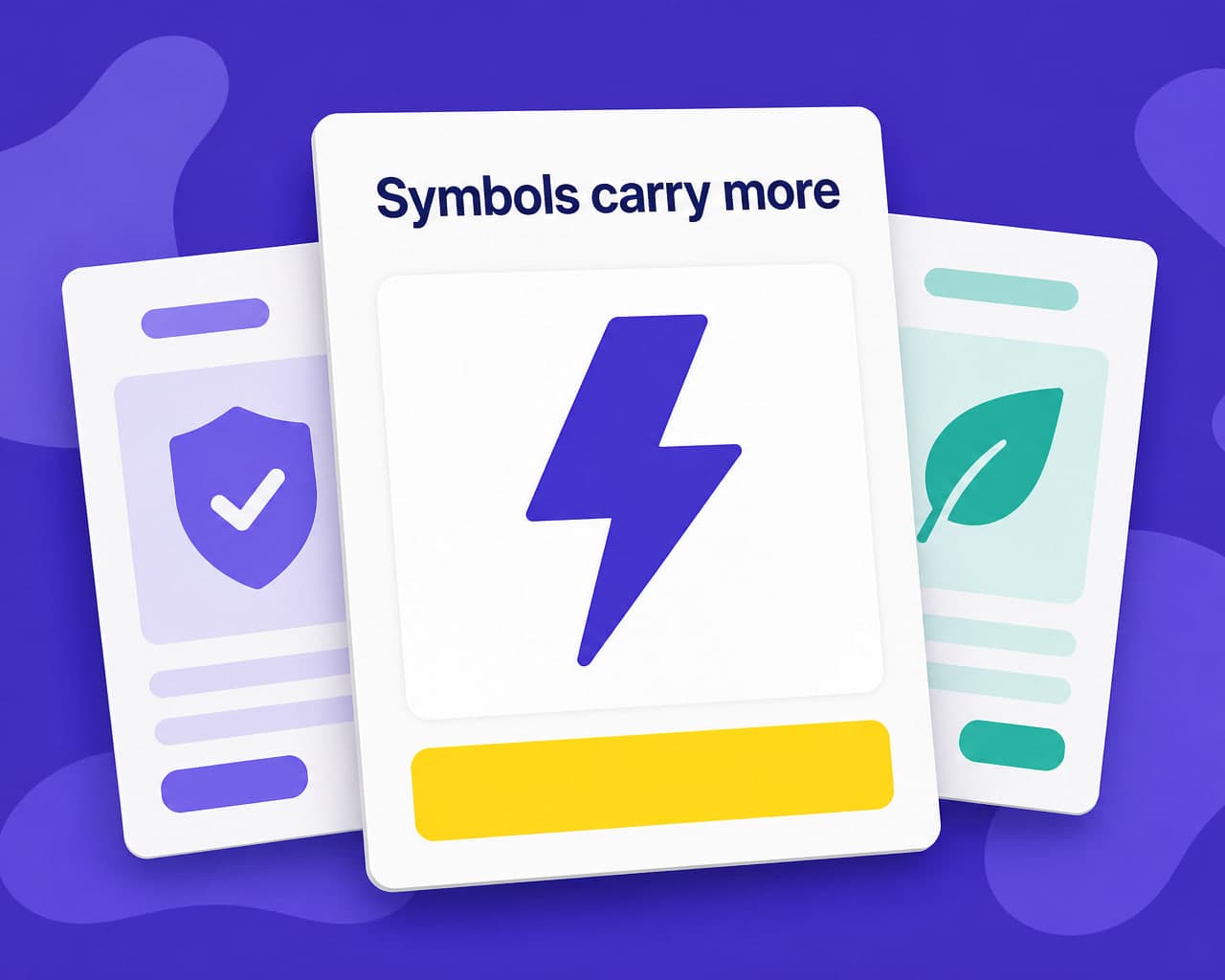
Standard symbols are understood without reading and without translation, and a well-chosen symbol set carries most wayfinding on its own.
Use established symbols rather than designing new ones, keep them consistent across the site, and let text confirm rather than carry the message. That is the same reasoning as a quick start card, with a shorter reading time.
Decide the language set deliberately
Signage cannot carry many languages at once and stay legible, so the set has to be decided rather than accumulated as requests arrive. Local demographic evidence and the nature of the site — a hospital, a transport hub, a civic building — should drive that decision, and the languages not on the sign should be served another way, through staff, printed material or a code leading to a translated page. That fallback is worth designing properly rather than adding later. A code on every sign leading to a page in many languages costs almost nothing per sign, and it removes the pressure to fit one more language onto the face.
Emergency and safety signage is different
Where a sign carries a safety instruction, requirements are usually specified rather than discretionary, and the wording and symbols may be prescribed.
That is a compliance question for your jurisdiction rather than a design choice, and it should be confirmed before anything is manufactured.
Delivery
Image translation works on the rendered artwork so a longer local string is caught before manufacture rather than after, translation memory keeps every sign on a site using the same terms as the website, and quality control checks that consistency across the whole set rather than sign by sign. Construction sites face the same problem with a workforce that changes weekly — site induction translation.
FAQ
What is the main constraint on translated signage? Fixed space combined with glance reading. Sign faces are manufactured at a set size, translated text is usually longer, and text below the minimum legible size is not a solution.
How many languages can a sign carry? Few, before legibility suffers. The set should be decided from local evidence and the nature of the site, with other languages served through staff, printed material or a code leading to a translated page.
Should signage rely on symbols? Where possible, yes. Established symbols are understood without reading or translation, so text should confirm the message rather than carry it. New symbols should not be invented.
What about safety signage? Requirements are usually specified rather than discretionary, and wording and symbols may be prescribed. That is a compliance question for your jurisdiction and should be confirmed before manufacture.