Quick answer — A site induction is short, site-specific and delivered before work starts, so it should be translated as a fixed core plus a site-specific layer rather than as one long document reworked per project.
Vitra.ai Universe keeps one site vocabulary across drawings, documents and talks.
One chance, before the work
An induction is delivered once per person per site, usually in a portakabin at the start of a shift, to people who want to get on with the job.
Everything about that setting argues for short, specific and visual. A long generic presentation translated faithfully into six languages is the wrong artefact translated well.
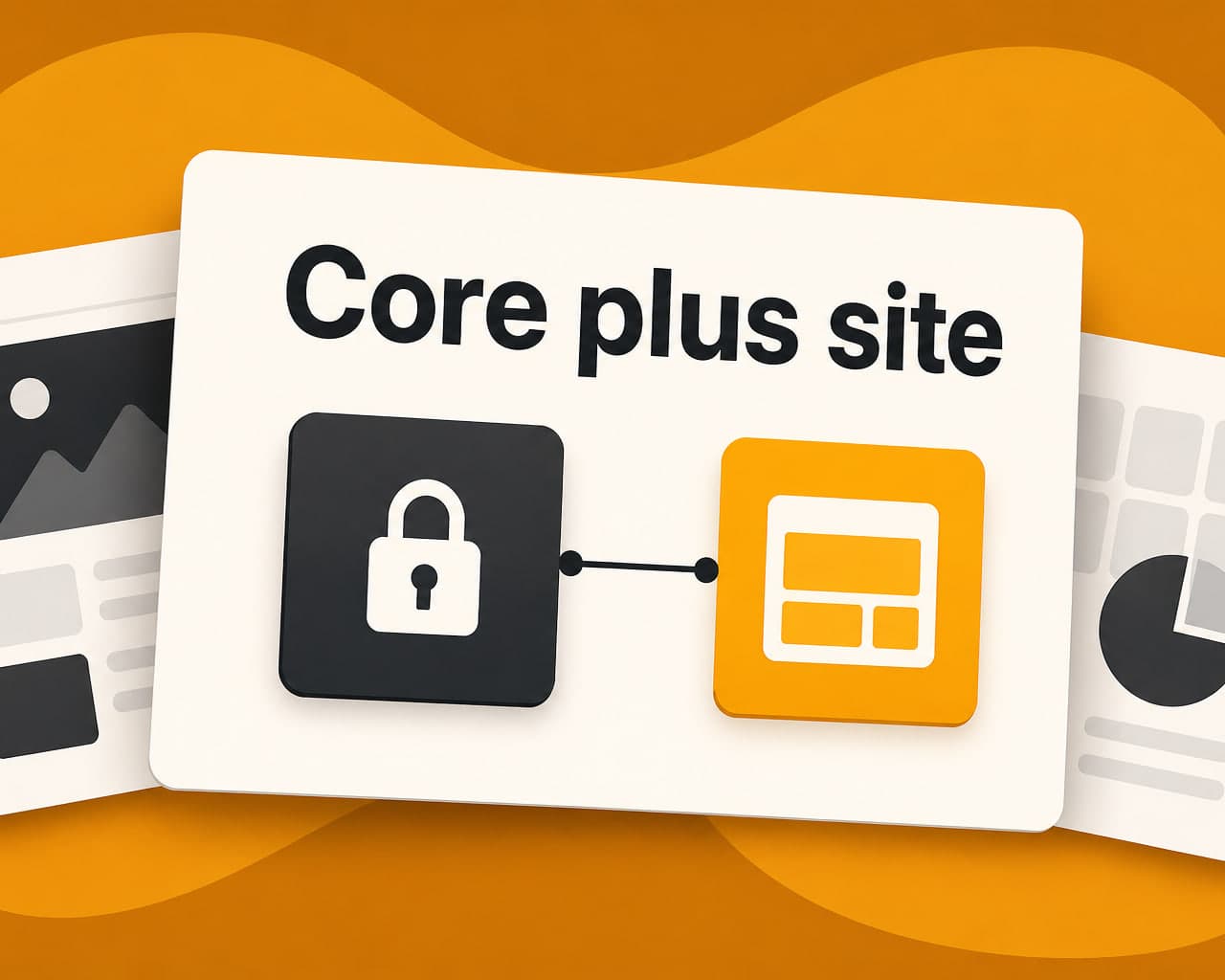
Split the fixed part from the site part
Most induction content repeats across every project a contractor runs. A smaller part is genuinely about this site.
| Layer | Changes | Treatment |
|---|---|---|
| Company rules and standards | Rarely | Translate once, reuse |
| General site conduct | Rarely | Translate once, reuse |
| This site's hazards | Every project | Translate per site |
| Access, welfare and muster points | Every project | Translate per site, with a map |
| Emergency arrangements | Every project | Translate per site |
| Local emergency contacts | Every project | Site-specific |
Splitting them means the reusable core is translated once and amortised across every project, and only the site layer is new work. That is what makes per-project induction translation affordable at all.
Show, do not tell
Muster points, exclusion zones, access routes and traffic management are spatial, and a marked-up site plan communicates them faster than any paragraph in any language.
Photographs of this site's actual hazards beat generic illustrations, because recognition is the point. Text inside those images needs image translation rather than a caption underneath. Someone who has seen a photograph of the actual excavation recognises it on the walk to the work face. A generic illustration teaches a category rather than a place. The induction exists to teach the place.
Confirm before signing
The induction record should show what was delivered, in which language, and that the person understood the site-specific parts.
A few verification questions asked in their own language does that, and it takes minutes.
It also catches the case where someone nodded through a briefing in a language they half follow, which is the situation the record is supposed to capture. That happens constantly and is almost never recorded. The person is not being evasive, since agreeing is simply easier than stopping a briefing to say you did not follow it. A question that has to be answered removes the choice.
Keep it current
Sites change. New hazards appear, access routes move, and an induction describing the site as it was two months ago is teaching people the wrong layout.
Triggering a re-translation when the site layer changes, rather than on a review cycle, keeps the versions aligned — with translation memory meaning only the changed part costs anything, and quality control confirming every language got the update rather than most of them. The hazards themselves are briefed through the RAMS pack once work starts.
FAQ
What should a translated induction contain? A reusable core of company rules and general conduct, plus a site-specific layer covering this site's hazards, access, welfare, muster points and emergency arrangements.
Why translate the core separately? Because it repeats across every project, so translating it once amortises the cost across all of them and leaves only the site-specific layer as new work each time.
What communicates site layout best? A marked-up site plan and photographs of this site's actual hazards. Spatial information lands faster than prose in any language, and recognition is the point of showing real hazards.
How should the induction record be kept? Showing what was delivered, in which language, and that the person understood the site-specific parts — verified with a few short questions rather than assumed from a signature.