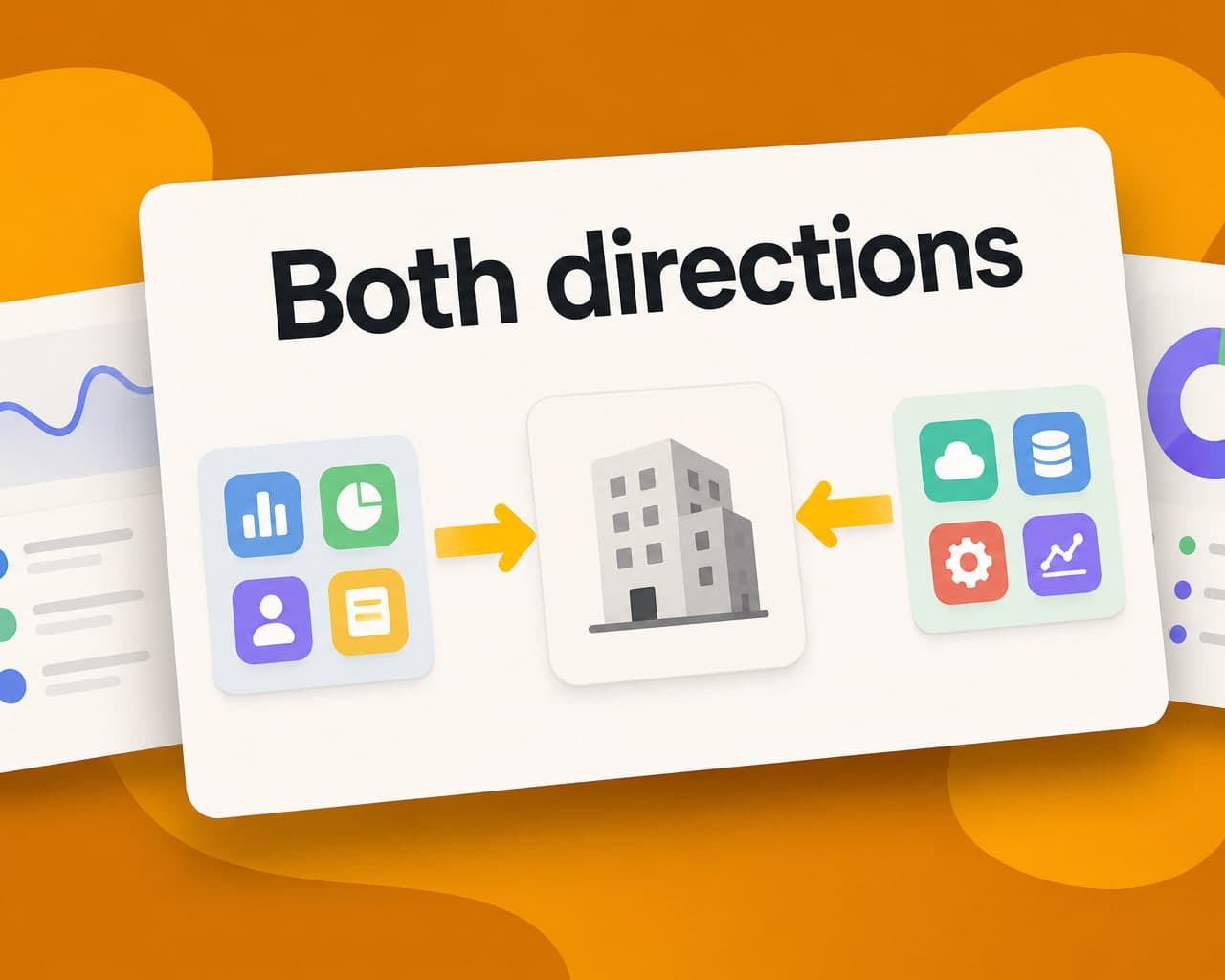
Quick answer — Consultation translation has two directions. Material has to go out in the languages of the affected communities, and responses have to come back and be analysed regardless of the language they arrive in.
Vitra.ai Universe runs white-labelled, and on-premise where data cannot leave.
Two directions, and only one usually planned
Most consultation planning covers publishing the material. Far less covers what happens when someone responds in another language.
If responses can only be submitted or processed in one language, the consultation has quietly restricted who can take part, and the result is presented as representative when it is not.
Outbound: what actually needs translating
| Element | Priority |
|---|---|
| What is proposed, plainly | Essential |
| Who it affects and how | Essential |
| How and by when to respond | Essential |
| The response questions themselves | Essential |
| Full technical documentation | Lower, on request |
| Supporting analysis and appendices | Lower |
A short accurate summary with translated response questions serves participation better than a full translation of a long technical document that few people in any language will read.
Inbound is the harder half
Responses arrive as free text, sometimes in mixed languages, sometimes handwritten and scanned. They need translating for analysis while keeping the original attached, because the original is the record. Where responses are quoted in a report, the quotation should be traceable to what the person actually wrote — and if a translated quote is used, saying so is more honest than presenting it as their words. Machine translation is well matched to the volume here, with human review of anything quoted or relied on, which is the same split described in machine translation in legal work.
Do not smooth what people said
Consultation responses include anger, informality and imprecision, and those are data.
A tidied translation makes strength of feeling disappear, which changes the analysis. Keeping register intact matters more than producing clean prose, particularly where sentiment is being counted.
Accessibility runs alongside
Offering responses only through an online form excludes people, in every language. Alternative routes — phone, in person, paper, through a community organisation — are part of the same duty as translation.
Delivery
Website translation covers the published material, document translation the longer documents, and quality control checks that response questions mean the same thing in every language, since a question that shifts meaning produces uncomparable answers.
Where responses contain personal information that cannot leave your estate, translation can run on-premise.
FAQ
What is usually missed in consultation translation? The inbound direction. If responses can only be submitted or processed in one language, participation has been restricted while the result is still presented as representative.
Does the whole consultation document need translating? Usually not. A short accurate summary with translated response questions supports participation better than a full translation of a long technical document that few people read in any language.
How should responses in other languages be handled? Translated for analysis with the original kept as the record. Machine translation suits the volume, with human review of anything quoted or relied on, and translated quotations labelled as such.
Should informal or angry responses be tidied? No. Register is data. A smoothed translation makes strength of feeling disappear, which changes the analysis, particularly where sentiment is being counted.