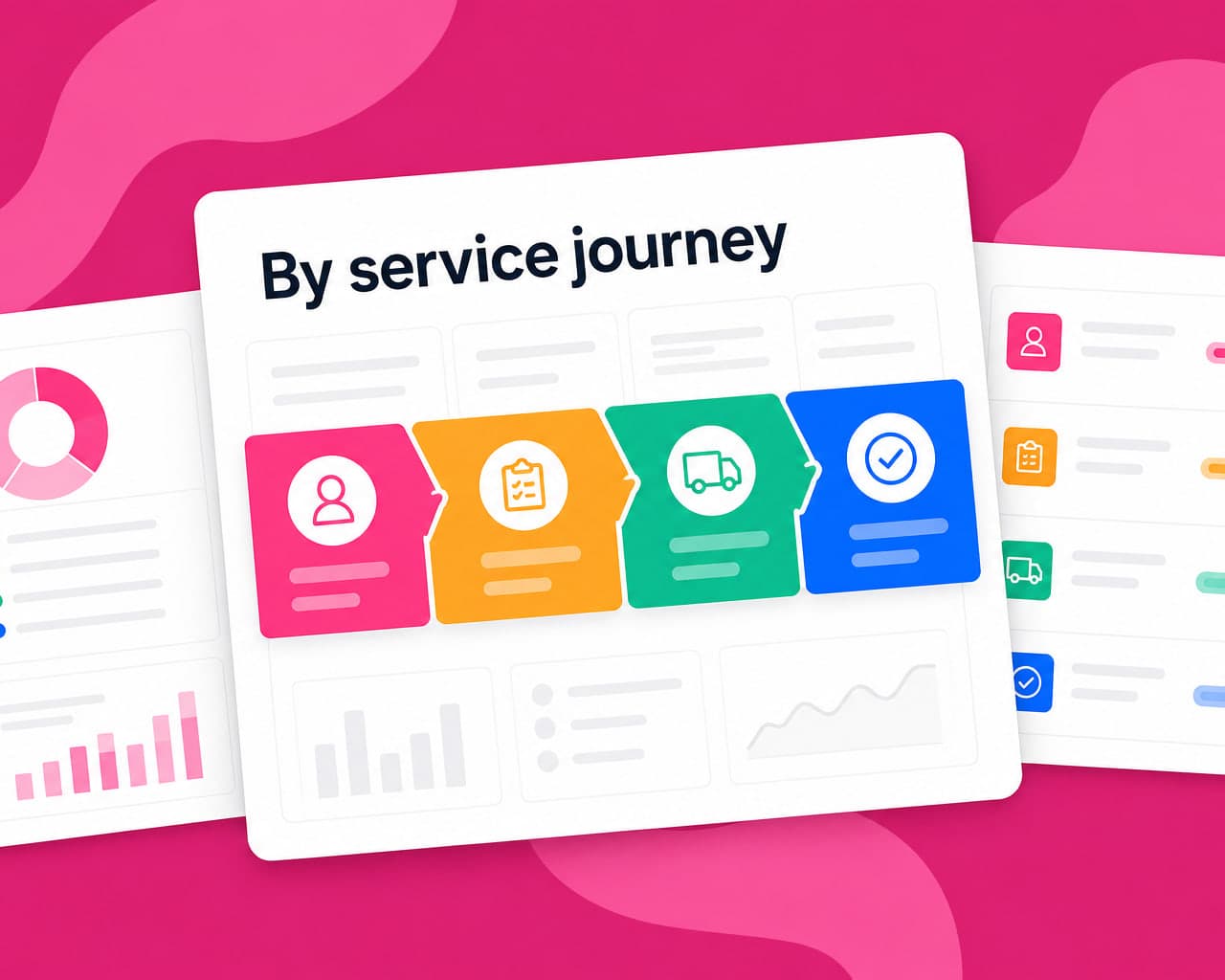
Quick answer — Local authorities can cover most resident need by translating a small set of high-traffic service journeys rather than the whole site. Shared or white-labelled platforms spread the cost across authorities with similar content.
Vitra.ai Universe runs white-labelled, and on-premise where data cannot leave.
Small budget, high-frequency contact
Local services are the ones residents deal with repeatedly — waste, housing, schools, parking, planning, council tax equivalents, licensing.
They are also the services where translation budgets are smallest and teams are one or two people. Any approach that assumes a dedicated localisation function will not survive contact with that reality.
A short list covers most of the need
Traffic to a local authority site is heavily concentrated. A small number of service journeys account for most visits, and translating those covers most resident need.
| Priority | Why |
|---|---|
| The top service journeys by volume | Where residents actually go |
| Anything with a deadline or penalty | Where misunderstanding costs money |
| Anything with an eligibility test | Where people wrongly self-exclude |
| Emergency and safety information | Non-negotiable |
| Contact and assisted-service routes | The fallback for everything else |
| Everything else | Later, or on demand |
Publishing the assisted-service route in every offered language is the highest return single item on that list, because it catches every journey not yet translated. It is also the cheapest, since it is a few lines rather than a page set. A resident who cannot read the waste collection page but can read how to phone for help still gets the service. That is the argument for doing it first rather than last.
Shared platforms change the arithmetic
Authorities publish broadly similar content, which means the same phrases are translated repeatedly across the sector at separate cost.
A shared platform, or a supplier arrangement covering several authorities, turns that duplication into reuse: the second authority inherits the terminology and the accumulated translation memory of the first, and the cost per authority falls.
Where the service has to appear under each authority's own identity rather than a supplier's, white-label delivery makes that possible without separate builds.
Local terminology has to be decided
Service names are local, and residents search using the name their neighbours use rather than the official one.
Decide the rendering once per language and pin it, including whether an official service name is translated at all or kept and glossed. That decision belongs to the authority rather than the translator, and it should be recorded so the next person does not re-decide it differently. A short decisions log is enough. It costs nothing to keep and it prevents a service being called two different things across a site, which is the drift residents notice first.
Delivery
Website translation covers the site and quality control checks the journeys rather than sampling pages, with the same form and accessibility discipline as any public service.
Where resident data cannot leave the authority's estate, the platform can run on-premise. Publishing across many sites at once is global content publishing.
FAQ
What should a local authority translate first? The handful of service journeys that account for most traffic, anything with a deadline or penalty, anything with an eligibility test, and emergency information. Traffic is concentrated enough that a short list covers most need.
What is the highest-return single item? The assisted-service route — how to get help in person or by phone — published in every offered language. It catches every journey that has not been translated yet.
How can smaller authorities afford this? By sharing. Authorities publish similar content, so a shared or supplier-run platform lets the second authority inherit the terminology and accumulated memory of the first, lowering cost per authority.
Can the service appear under our own branding? Yes. White-label delivery lets a shared platform appear under each authority's own identity, so cost is shared without the service looking like a supplier's product.