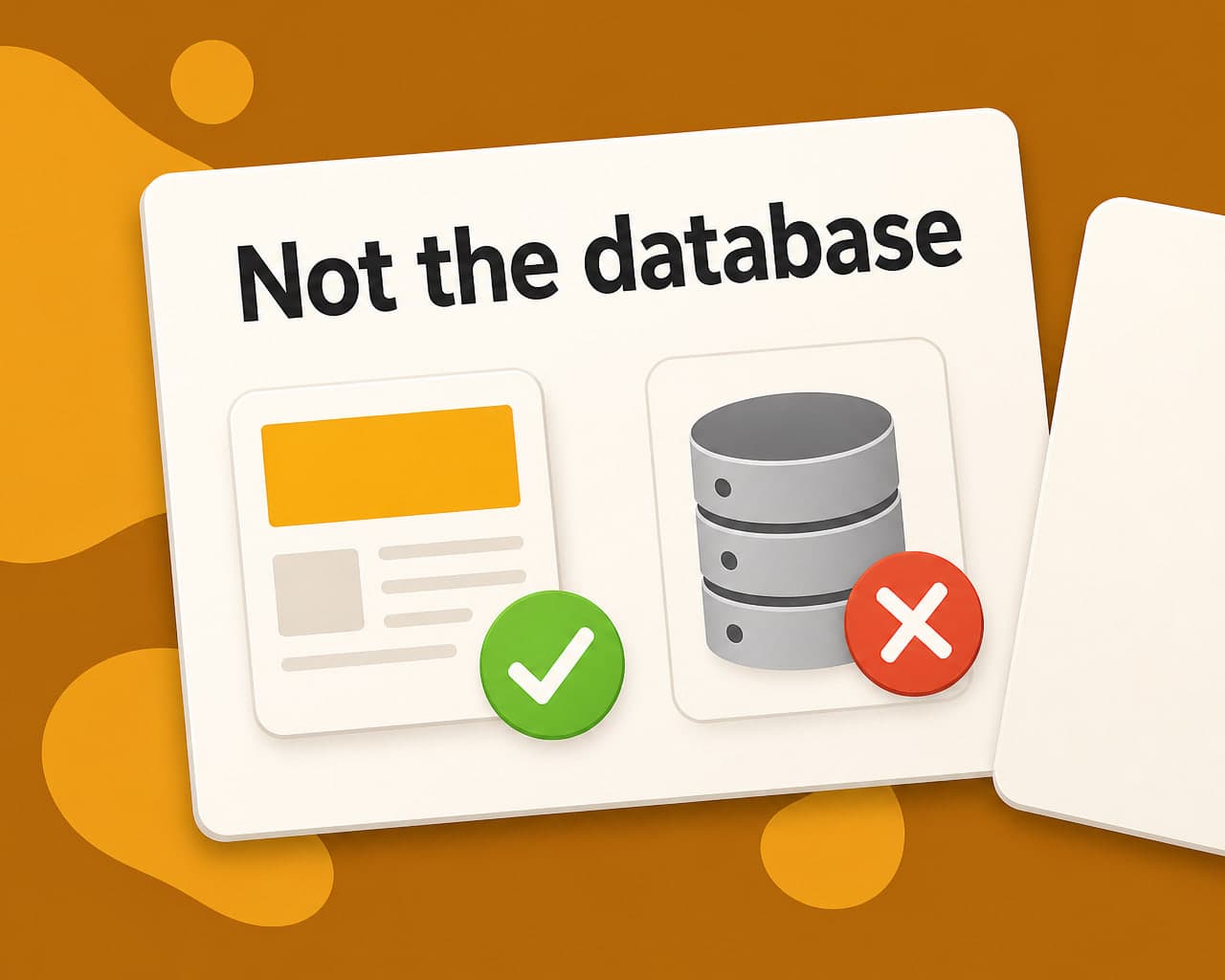
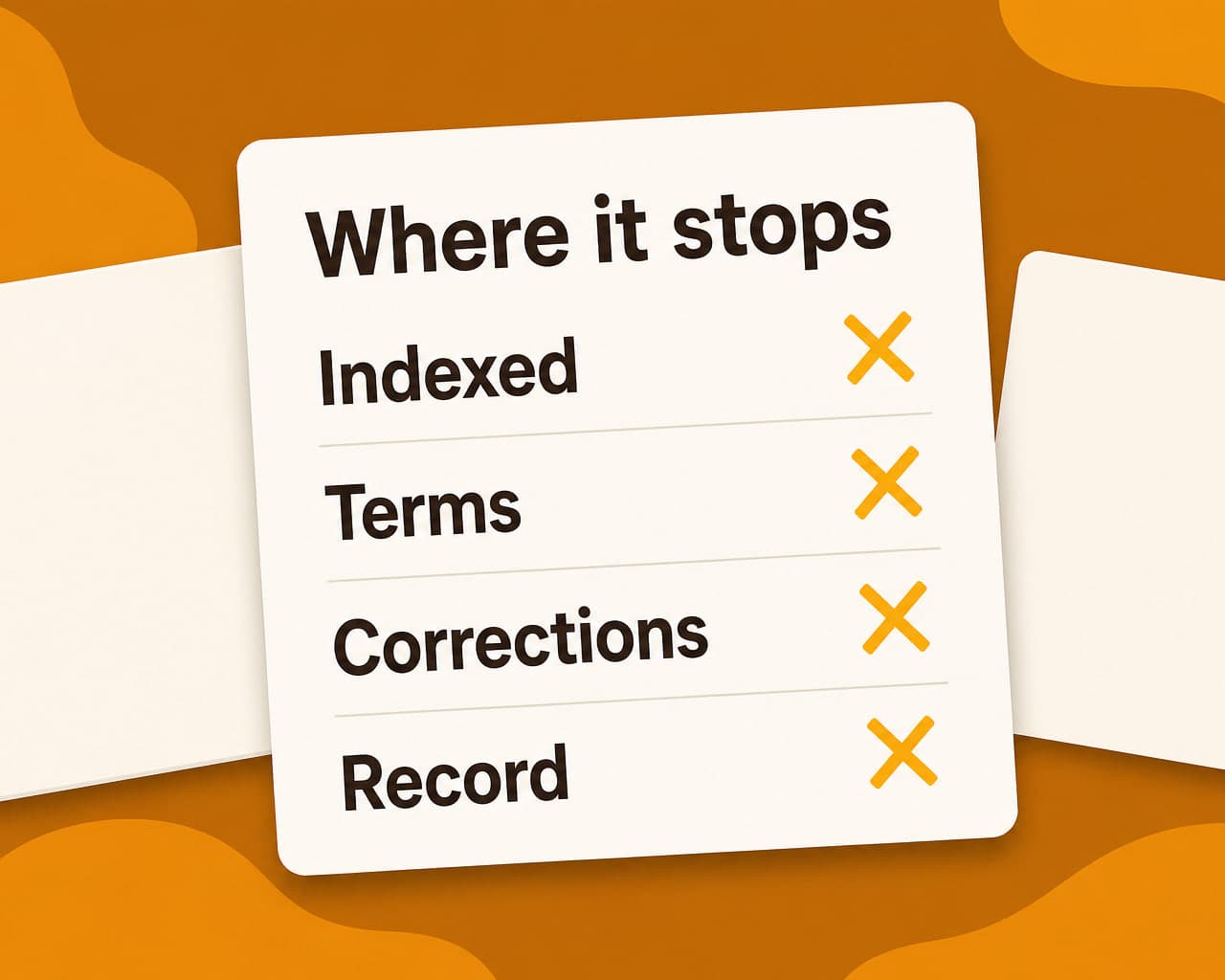
Quick answer — Google Translate handles a business website adequately until you need the translated pages indexed, a specific term enforced, a correction to persist, or a record of what was published. Then it stops.
What it does well
Renders a page into a language a visitor can read, instantly, at no cost, in more languages than most vendors offer.
For an internal tool or a low-consequence brochure site, that is often the correct answer and paying for more would be waste.
Say that plainly, because most comparisons pretend otherwise.
The four places it stops
Indexing. A page translated client-side is not a page Google can index. The translated version has no URL, so it earns no search traffic at all, which for most businesses is the entire point of translating. Terminology. Your product names, feature names and legal terms will be rendered however the general model chooses, differently on different pages. There is nowhere to state a preference, and no translation memory holding the one you settled on.
Corrections. Find an error and there is nothing to fix. The next visitor gets the same output, because nothing is stored.
Records. No log of what was published, in which language, when. For a regulated business that alone rules it out.
The hybrid that people actually want
Use it for the long tail nobody searches, and translate the pages that matter properly into indexable URLs with website translation behind them.
The two are not mutually exclusive and treating the choice as binary is why the question keeps getting asked.
The tell that you have outgrown it
Someone asks why the translated version does not appear in search. That is the moment, and it arrives for every business that succeeds at anything else.
Where to start
List the pages that need to rank. Everything else can stay on the widget.
When it runs out, the best AI localization platforms covers what replaces it, and no-code website translation covers how.
FAQ
Is Google Translate good enough for a business website? For an internal tool or a low-consequence brochure site, often yes, and paying for more would be waste. It stops being adequate the moment translated pages need to rank.
Why don't Google Translate pages appear in search? Because a client-side translation has no URL of its own. Search engines index URLs, so a translated version that shares the English address earns no search traffic.
Can terminology be controlled in Google Translate? No. Product names, feature names and legal terms are rendered however the general model chooses, and differently on different pages, with nowhere to state a preference.
Is it possible to use both approaches? Yes, and most businesses should. Use the widget for the long tail nobody searches and translate the pages that need to rank into indexable URLs properly.