Quick answer — A startup with no localization team can outrun one that has a department, because it never builds an approval queue. The model is automation by default, review by exception, and translation fired by the publish event rather than requested by a person.
The bottleneck is the request, not the translation
In most companies somebody has to remember to ask for a translation. That request is the slow step: a page ships in English, the request goes in a week later, the translation lands a fortnight after that, and by then the price has changed.
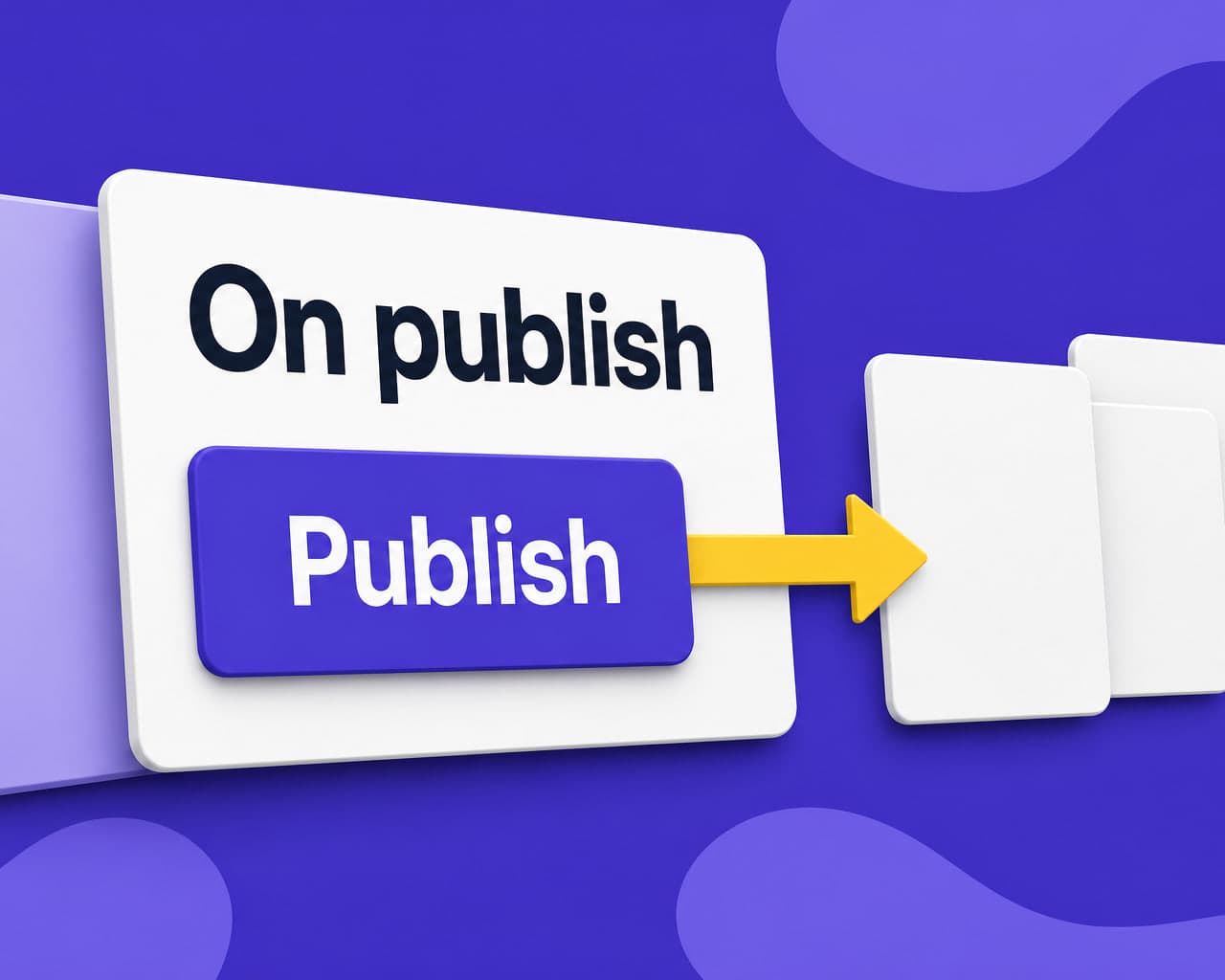
A small team removes the request entirely. Publishing triggers translation, and nothing waits on a person noticing.
Automate by default, review by exception
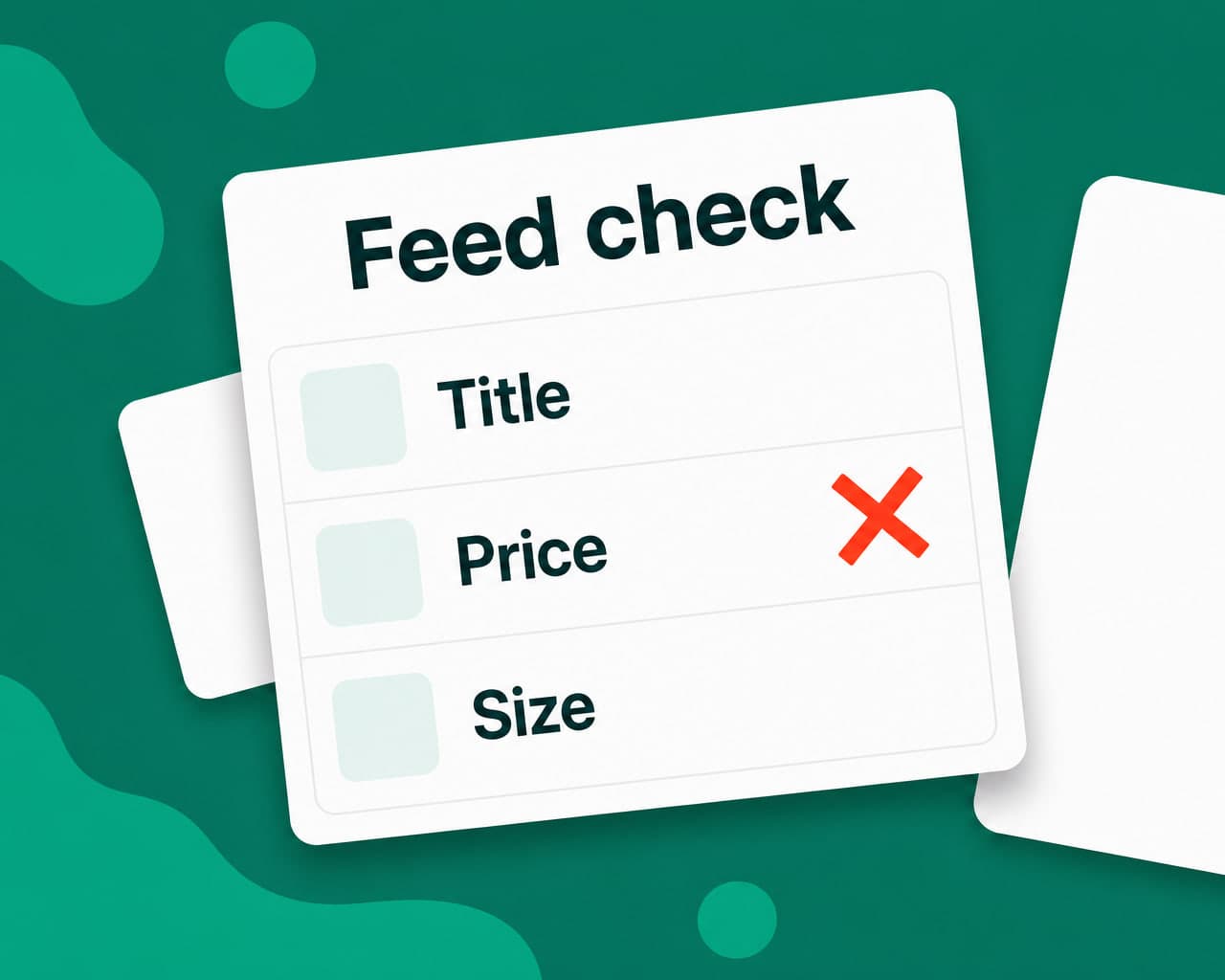
Set one rule: everything is machine-translated on publish unless it is on a short list that needs review. The list should be genuinely short — checkout, legal, the five brand pages — and everything else runs unattended through website translation.
quality control is what enforces the split, so the exception list is a configuration rather than a habit somebody has to maintain.
Pick markets by existing signal
Look at where traffic and orders already come from despite the site being in English. Those are markets that want you and are being served badly, and they convert faster than any market entered on a sizing deck.
Let memory do the compounding
The first language is the expensive one. Every one after it reuses what translation memory already holds, so a catalogue that cost real money in Spanish costs very little in Italian.
That is why sequencing matters more than budget for a small team.
What to skip
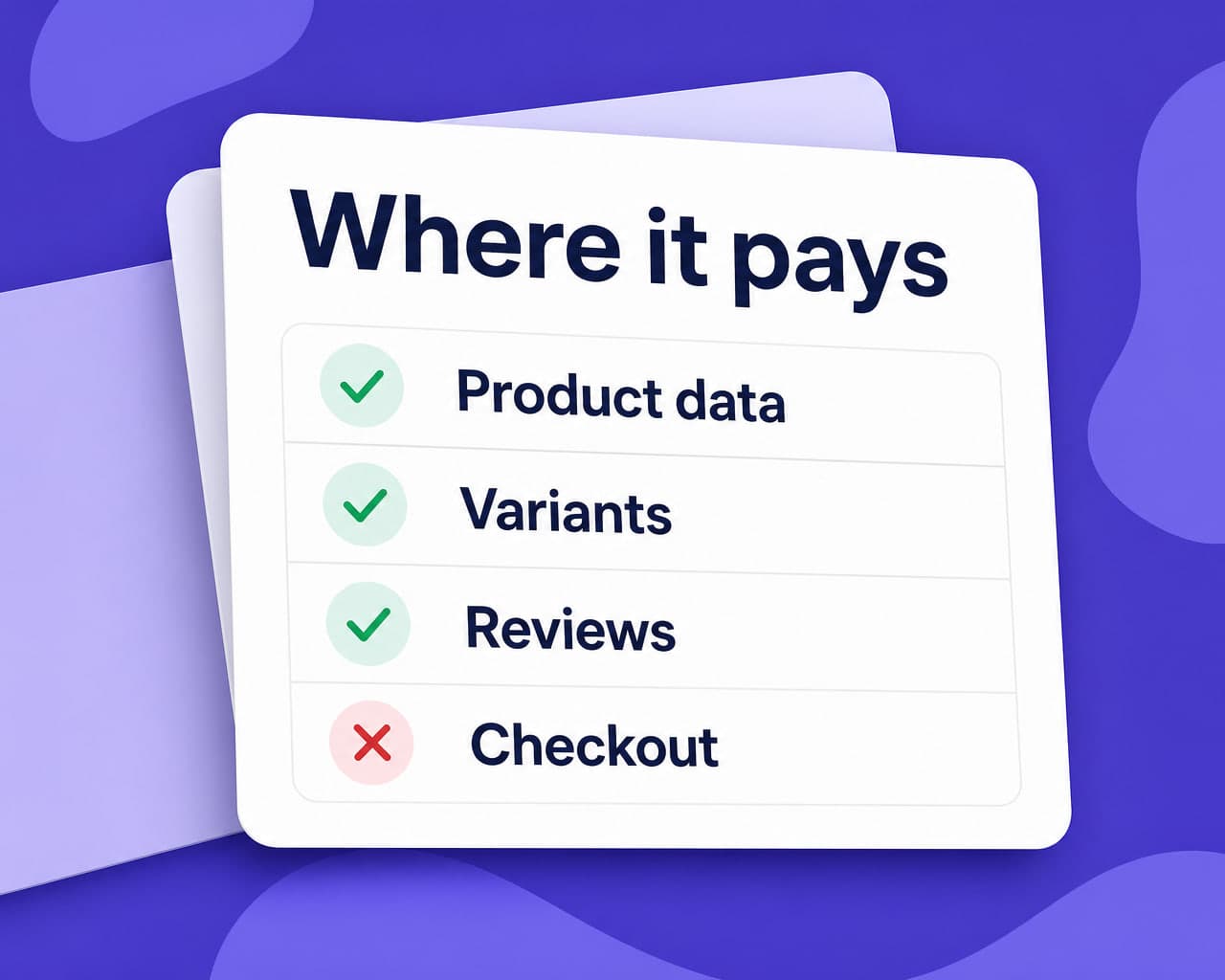
Do not localize the blog. Do not localize the careers page. Do not build a per-market content calendar. None of it moves revenue at this stage and all of it consumes the attention that checkout needs.
Where to start
Publish-event automation on the catalogue, and a review list you can read in one breath.
AI for e-commerce covers the capability map.
FAQ
What slows down e-commerce localization most? The request. Somebody has to remember to ask, so a page ships in English, the request goes in a week later and the translation lands a fortnight after that, by which point the content has changed.
What is the right default for a small team? Automation on publish, with review by exception. Everything is machine-translated unless it appears on a short list — checkout, legal and a handful of brand pages — and that list should be readable in one breath.
How should a startup choose its first markets? By existing signal. Traffic and orders already arriving despite an English-only site indicate markets that want you and are being served badly, and they convert faster than any market chosen on a sizing deck.
What should a small team not localize? The blog, the careers page and any per-market content calendar. None of it moves revenue at that stage and all of it consumes attention the checkout needs.