Quick answer — The European Accessibility Act (Directive (EU) 2019/882) has applied since 28 June 2025 and covers e-commerce and passenger transport services, which brings most travel booking sites and apps into scope. The practical standard is EN 301 549, which points at WCAG 2.1 AA.
Quality control inspects rendered pages rather than strings, which is how clipped text and broken layouts get caught before publication.
What it covers, in plain terms
The EAA is a directive, so it lands through each member state's own law rather than as one EU rulebook. The categories it names include e-commerce services and services related to passenger transport — which is where booking a flight, a room or a rail ticket sits. Enforcement, penalties and reporting differ by state. Microenterprises providing services — broadly under ten staff and €2m turnover — are outside the service obligations. Everyone else selling travel online to EU consumers should assume they're in.
Where accessibility and language quietly overlap
This is the part most teams miss, because accessibility sits with engineering and language sits with marketing, and neither owns the seam.
The lang attribute. A screen reader picks pronunciation from the declared language. A page whose text is Dutch and whose markup still says English gets read aloud wrong. That's a localization bug presenting as an accessibility failure, and client-side translation widgets are a common cause.
Captions on video. An embedded destination film needs captions in the same language as the page around it, not just in English.
Text that expands. German and Finnish run long. When translated text overflows a fixed component, content doesn't just look untidy — it can become unreachable.
The travel-specific surfaces to look at
| Surface | Why it's exposed |
|---|---|
| Booking and payment flow | The transaction itself; hardest to argue is out of scope |
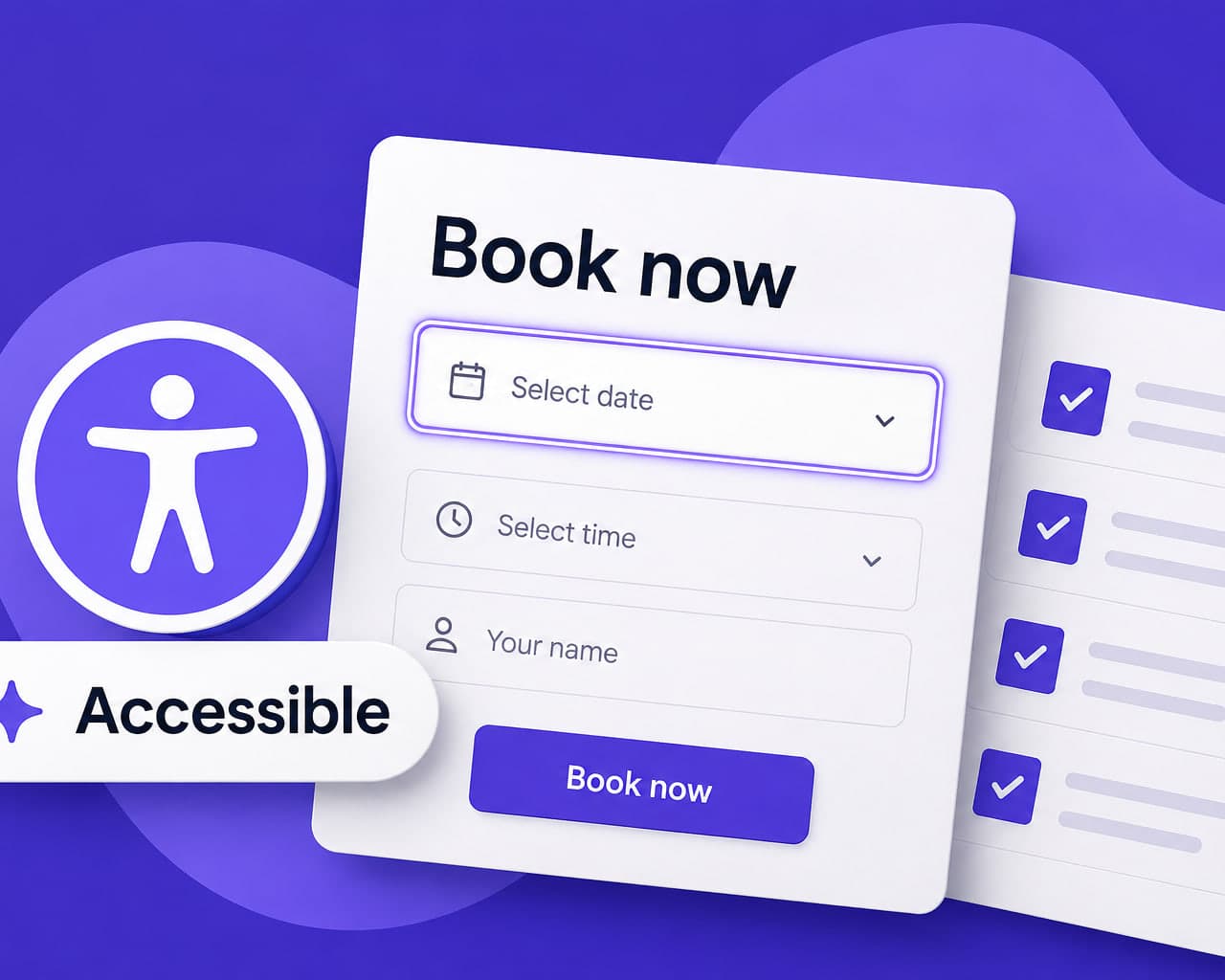
| Seat, room and date pickers | Custom widgets are where keyboard navigation breaks |
| Fare and rate tables | Complex tables need proper headers to be readable aloud |
| Booking confirmation PDF | Documents are frequently overlooked entirely |
| Embedded video | Captions and audio description |
What to run this quarter
Start with an automated scan for the mechanical failures, then test the booking flow by keyboard alone, then with a screen reader in a non-English language. That last one surfaces the language-attribute problems nothing else catches.
Fix the transaction path first. A brochure page that fails is a problem; a payment step that fails is the one that gets reported.
Where this article stops
Whether your particular services fall in scope, and what a given member state requires, is a legal question for your counsel. This is the engineering and content side of it: what usually breaks, and which checks find it.
FAQ
Does the European Accessibility Act apply to travel booking websites? In most cases yes. The directive covers e-commerce services and services related to passenger transport, which brings booking sites and apps into scope. It has applied since 28 June 2025, with obligations landing through each member state's own law.
What accessibility standard should a travel site meet? EN 301 549 is the harmonised European standard, and in practice it points at WCAG 2.1 level AA. That is the bar most audits and procurement questionnaires will use.
How does translation affect accessibility compliance? Through the lang attribute, video captions and text expansion. A page whose text is Dutch but whose markup declares English is read aloud incorrectly, and translated text that overflows a fixed component can make content unreachable.
Are small travel businesses exempt from the EAA? Microenterprises providing services — broadly fewer than ten staff and under €2m turnover — are outside the service obligations. Thresholds and enforcement are set nationally, so confirm against your own member state.