Quick answer — Hotels use AI in nine main places today: revenue management, demand forecasting, guest messaging, review analysis, upsell targeting, housekeeping scheduling, guest-facing content in other languages, pre-arrival video, and the paperwork nobody counts.
Vitra.ai Universe covers the guest-facing content side — messaging, documents, video and web, localized through one workflow.
The nine, and what each one moves
| Where it runs | What changes |
|---|---|
| Revenue management | Rates respond to demand and competitor movement daily |
| Demand forecasting | Staffing and inventory planned on signal, not last March |
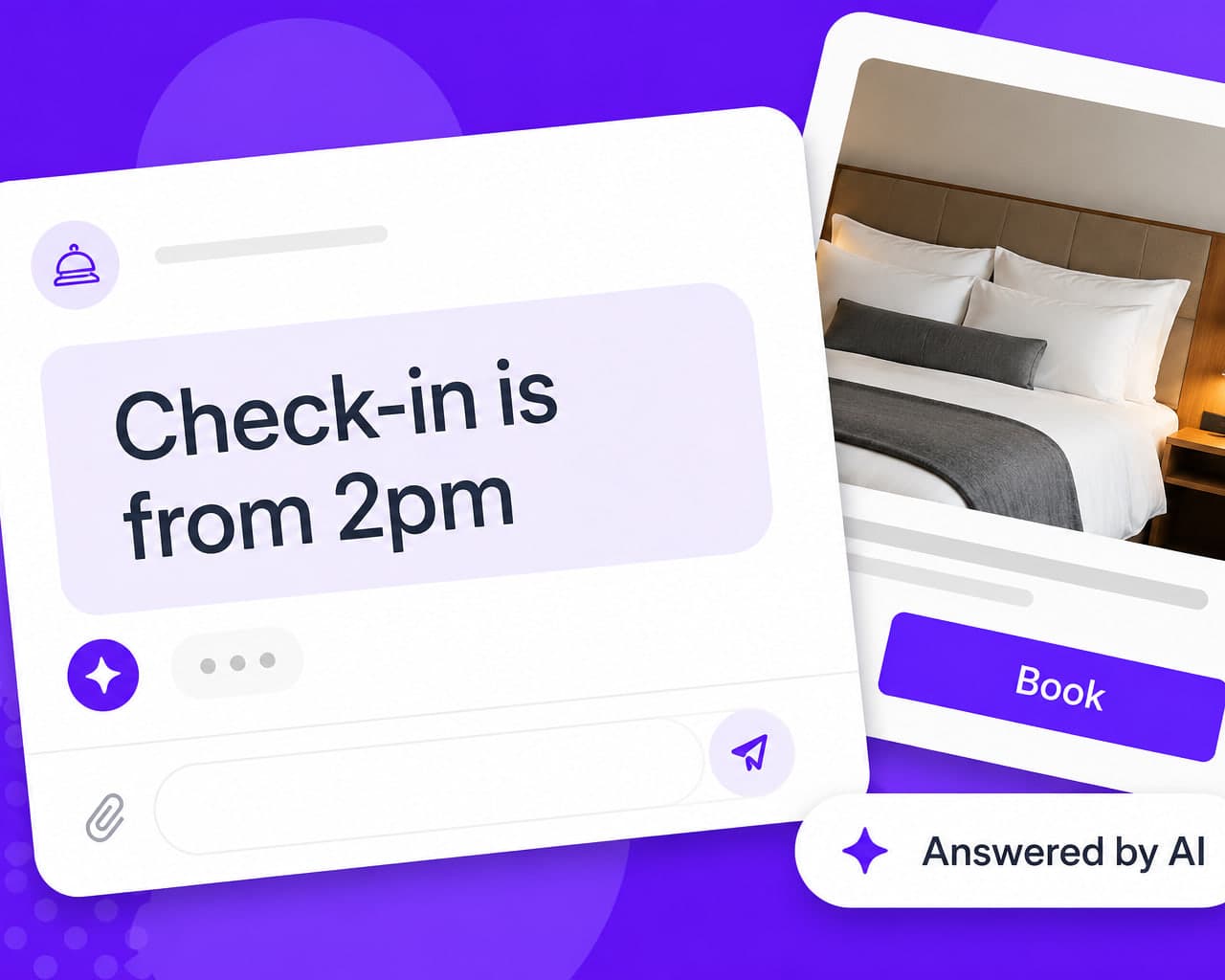
| Guest messaging | Routine questions answered at 2am, in the guest's language |
| Review analysis | Complaints surface by theme instead of one at a time |
| Upsell targeting | Offers matched to stay type rather than sent to everyone |
| Housekeeping scheduling | Room order sequenced around actual checkouts |
| Guest-facing content | Site, directory and policies exist in more than English |
| Pre-arrival video | Each booking gets its own directions and check-in detail |
| Operational documents | Registration cards, safety sheets, terms, per language |
The first two are usually running before anyone asks.
The last three almost never are.
Where most hotels start, and why it's the wrong end
Revenue management first, because the payback shows on a P&L. Then a chatbot, because a vendor demoed one. Meanwhile the guest directory is in English, the fire safety card is in English, and the WhatsApp reply that goes out at midnight to a guest from Osaka is in English. Those are the touchpoints that actually decide the review score, and they sit outside every dashboard the GM looks at.
Guest messaging is the one that repays fastest
A hotel's message volume is small, repetitive, and almost entirely predictable. Where is the airport shuttle. What time is check-in. Can I get a late checkout. Is breakfast included.
The same forty questions, forever.
That's exactly the shape of problem where automation works well, and where a shared glossary matters more than the model. If the front desk calls it a "transfer" and the confirmation email calls it a "pickup", a guest reading in their second language will ask a human — which is the call you were trying to avoid.
The content nobody budgets for
Registration cards. Spa menus. The evacuation notice on the back of the door. The QR-code directory that replaced the folder.
None of it is marketing, so none of it sits with the team that owns translation. It stays in one or two languages for years. Document translation keeps tables and numbered sections intact, which matters when the thing you're translating is a safety notice rather than a paragraph.
Pre-arrival video is underrated
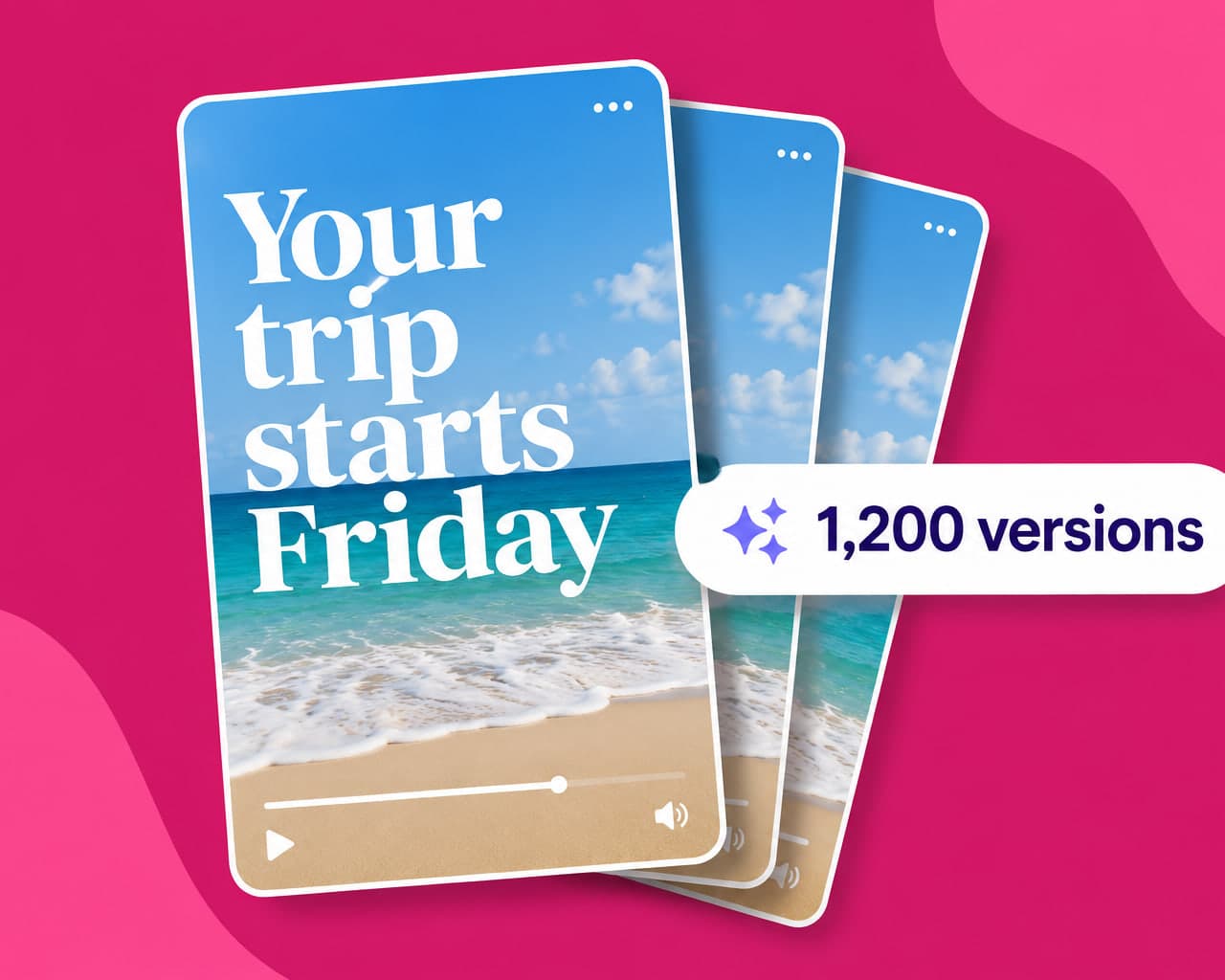
Directions from the airport, what the entrance looks like, where to go after 11pm. Recorded once, rendered per booking with the guest's name and arrival time, dubbed into whatever they booked in.
It reduces arrival-day phone calls, and it's measurable within a month. Full mechanics in destination video localization.
How to pick one
Choose the thing you already measure. If you track review themes, start with review analysis. If you track arrival-day support volume, start with pre-arrival content. Anything else turns into an argument about whether it worked.
FAQ
How do hotels use AI? Mostly in nine places: revenue management, demand forecasting, guest messaging, review analysis, upsell targeting, housekeeping scheduling, guest-facing content in other languages, pre-arrival video, and operational documents like registration cards and safety notices.
Which AI use case pays back fastest for a hotel? Revenue management, which is why most hotels already have it. Of what's left, guest messaging repays quickest, because the volume is small, endlessly repetitive and answerable from a fixed set of about forty questions.
Does AI replace hotel front-desk staff? Not in practice. It absorbs the questions that arrive at 2am and the ones asked forty times a week, which is the volume that stops a desk from doing the parts of the job guests actually remember.
What hotel content gets forgotten in translation projects? Registration cards, spa menus, evacuation notices and the in-room directory. None of it is marketing, so it never reaches the team that owns translation and stays in one or two languages for years.