Quick answer — For news publishing, compare platforms on publish-time latency, whether they integrate at the CMS rather than as an export step, and what happens to every language when a story is corrected.
Latency is a feature here and nowhere else
Most industries can wait an hour. A newsroom cannot, and a platform measured in minutes rather than seconds is unusable on a breaking desk however good the output.
Ask for the publish-to-live figure under load, not the average on a quiet afternoon.
Integration at the CMS, not as an export
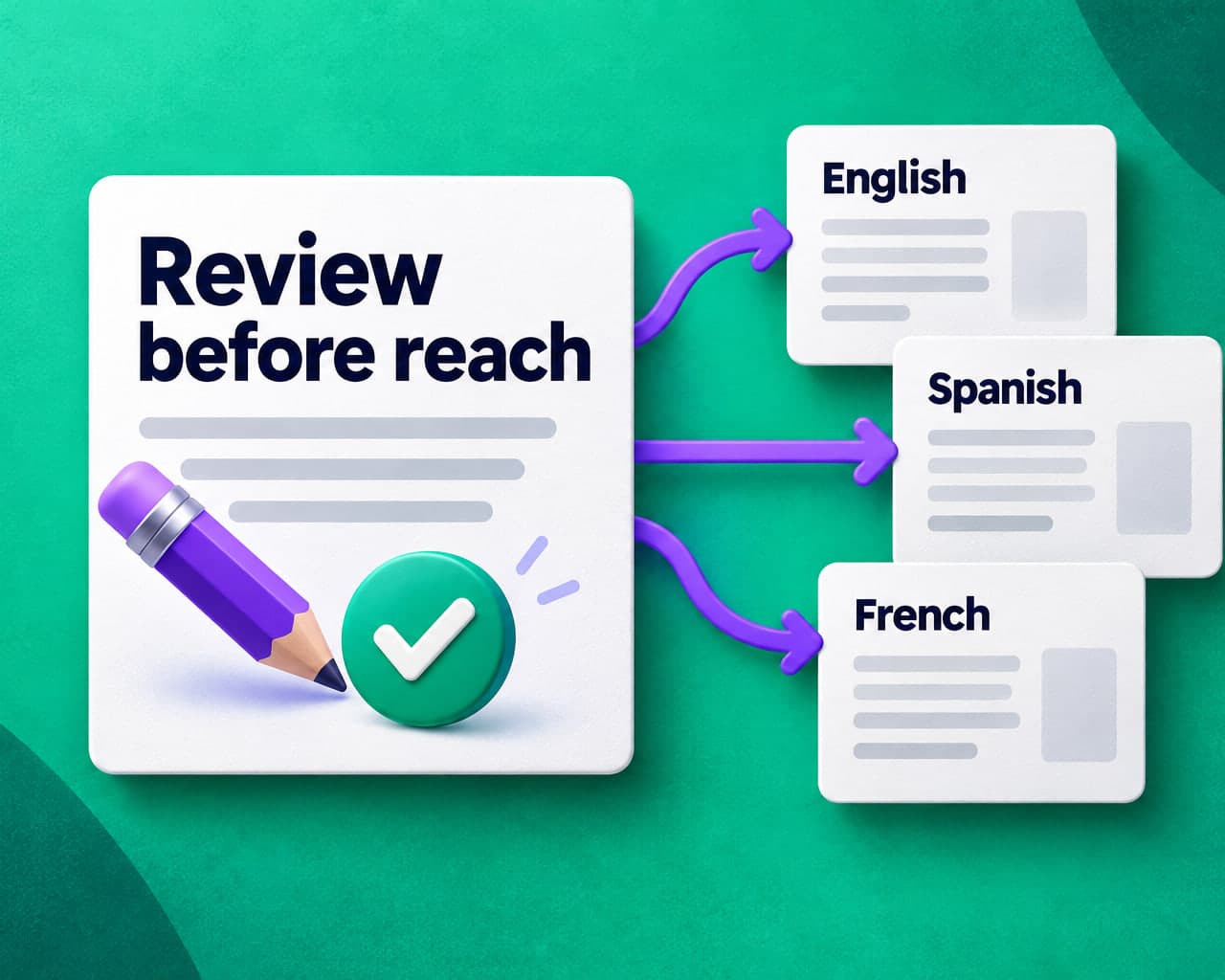
If translation requires exporting a story and importing the result, it will not be used at speed. It has to fire from the publish event inside the system the desk already works in, or the desk will route around it.
That is the single most common reason a newsroom pilot succeeds and the rollout fails.
Corrections are the question nobody asks
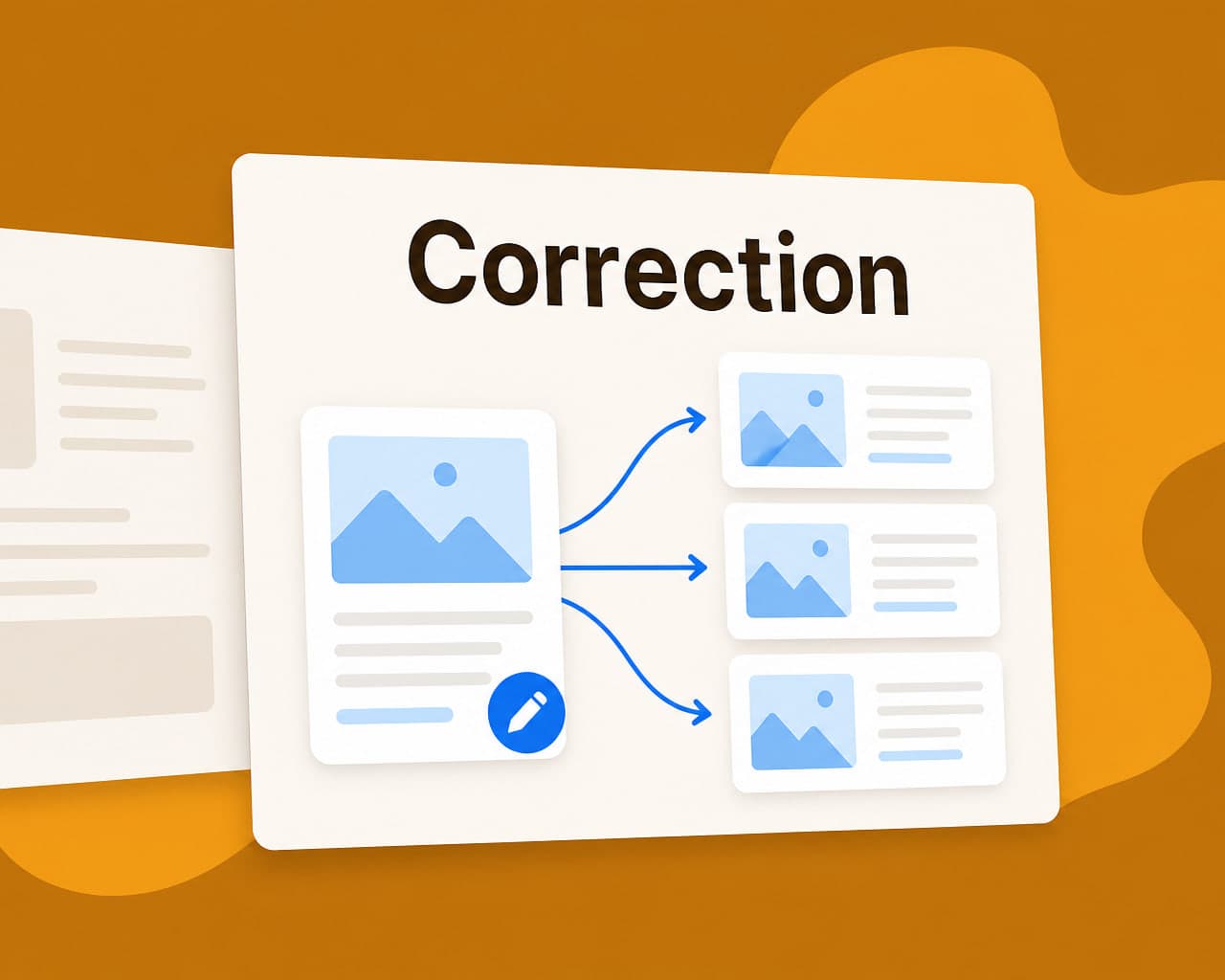
A story is corrected an hour after publication. What happens to the eleven translated versions? If the answer is that somebody re-submits them, the publication now carries eleven uncorrected copies of a story it has corrected, which is worse than not translating at all. Correction propagation should be automatic and it is rarely demonstrated unless you ask.
Glossary across text and video
Names, titles and place names have to match between the article and the subtitle file. Shared translation memory across formats is what stops one person acquiring two names in one publication.
Archive capability
A platform that handles daily output and cannot batch twenty years of archive through document translation has covered the smaller half of the opportunity.
Where to start
Test a correction, not a translation. It reveals more about the architecture than any output sample.
AI in the newsroom covers what to automate.
FAQ
What should a newsroom test in a platform trial? A correction, not a translation. What happens to eleven translated versions when the story is fixed reveals more about the architecture than any output sample.
Why does CMS integration matter more than output quality? Because if translation requires exporting and re-importing a story, the desk will route around it under deadline. It has to fire from the publish event inside the system journalists already use.
What latency figure should a publisher ask for? Publish-to-live under load, not the average on a quiet afternoon. A platform measured in minutes rather than seconds is unusable on a breaking desk regardless of quality.
Why does the glossary need to span text and video? Because names, titles and place names have to match between an article and its subtitle file. Without a shared memory, one person acquires two names inside a single publication.