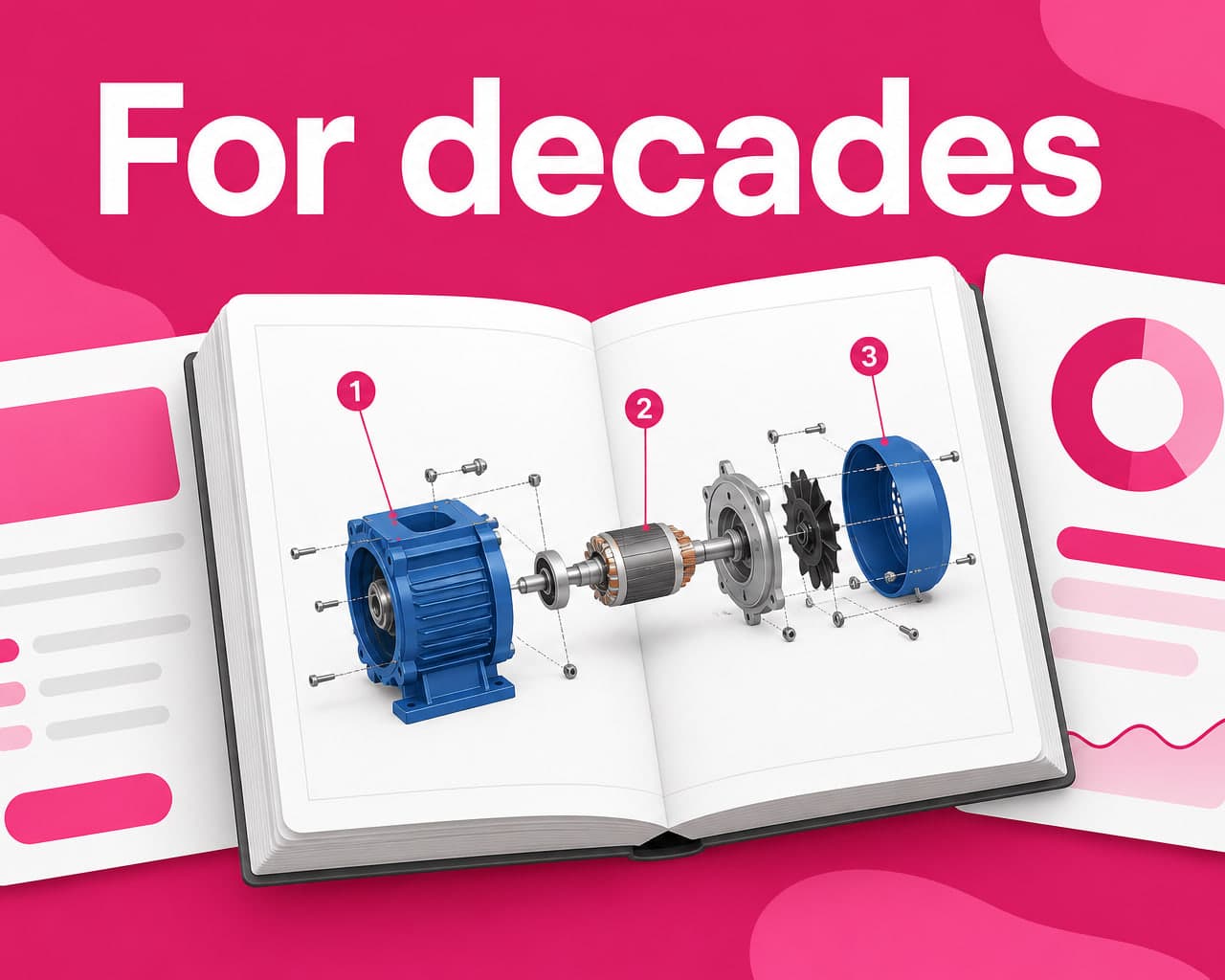
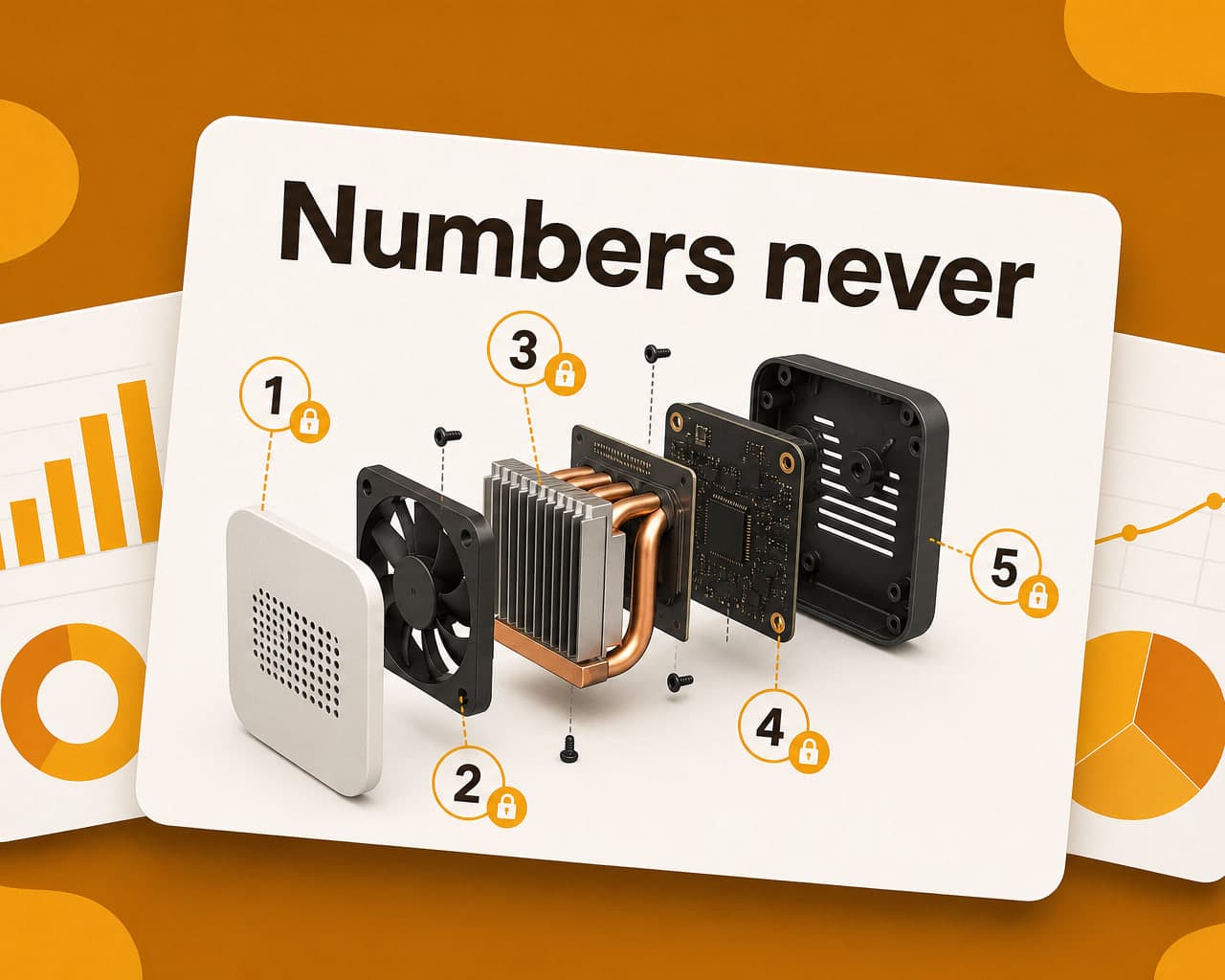
Quick answer — A spare parts catalogue is used to order, so the part name has to match the manual, the machine label and the ordering system exactly. Part numbers never translate, and exploded-diagram callouts usually get missed.
Vitra.ai Universe keeps one approved technical vocabulary across every document.
It is a lookup, not a document
Nobody reads a parts catalogue. A technician with a machine down finds a figure, matches a callout to a number, and orders.
So the measure is whether the right part arrives, and everything else is secondary.
What must never vary
| Element | Rule |
|---|---|
| Part numbers | Never translated, never reformatted |
| Part names | Identical to manual and machine label |
| Figure and callout numbers | Preserved exactly |
| Units and dimensions | Converted with the original retained |
| Material specifications | Standard designations, not translated |
| Assembly names | Consistent across the range |
Part numbers are the obvious case and still get damaged — by locale-aware formatting turning a number into a decimal, or by a well-meaning pass translating an alphabetic suffix.
Put them on a do-not-translate list and check the identifiers survived the round trip mechanically.
The exploded diagram is the catalogue
Callout labels live inside the artwork. A catalogue where the prose is translated and every figure still carries English labels has translated the part nobody reads.
That is image translation work, and keeping the source layered is what makes it a re-render rather than a redraw.
Consistency with everything else
The name in the catalogue, the manual and on the machine plate have to agree. Three names for one component produces a wrong order, a return, and a machine down for another week. One translation memory across all three is the mechanism. Process discipline alone does not survive a product range.
Volume makes checking mechanical
A catalogue is thousands of short entries, which is past what anyone reviews by eye.
Quality control can verify identifier integrity, naming consistency against the glossary and unit conversion on every row rather than a sample — which is the only version of this that scales to a full range.
FAQ
Should part numbers ever be translated? Never, and they should not be reformatted either. Locale-aware number formatting and passes that translate alphabetic suffixes both damage identifiers, so they belong on a do-not-translate list.
What is most often missed in a parts catalogue? Exploded-diagram callouts. They sit inside the artwork as pixels, so the catalogue can read as fully translated while every figure still carries source-language labels.
Why must part names match the manual and the machine? Because a technician moves between all three when ordering. Three names for one component produces a wrong part shipped, a return, and more machine downtime.
How is a large catalogue checked? Mechanically. Identifier integrity, naming consistency against the glossary and unit conversion can be verified on every row, which is well past what a human reviewer can sample.