Quick answer — Safety data sheets follow a standardised sixteen-section structure with prescribed hazard and precautionary phrasing. Those phrases have official translations, so most of an SDS should be assembled rather than translated freely.
Vitra.ai Universe keeps one approved technical vocabulary across every document.
Most of it is already written
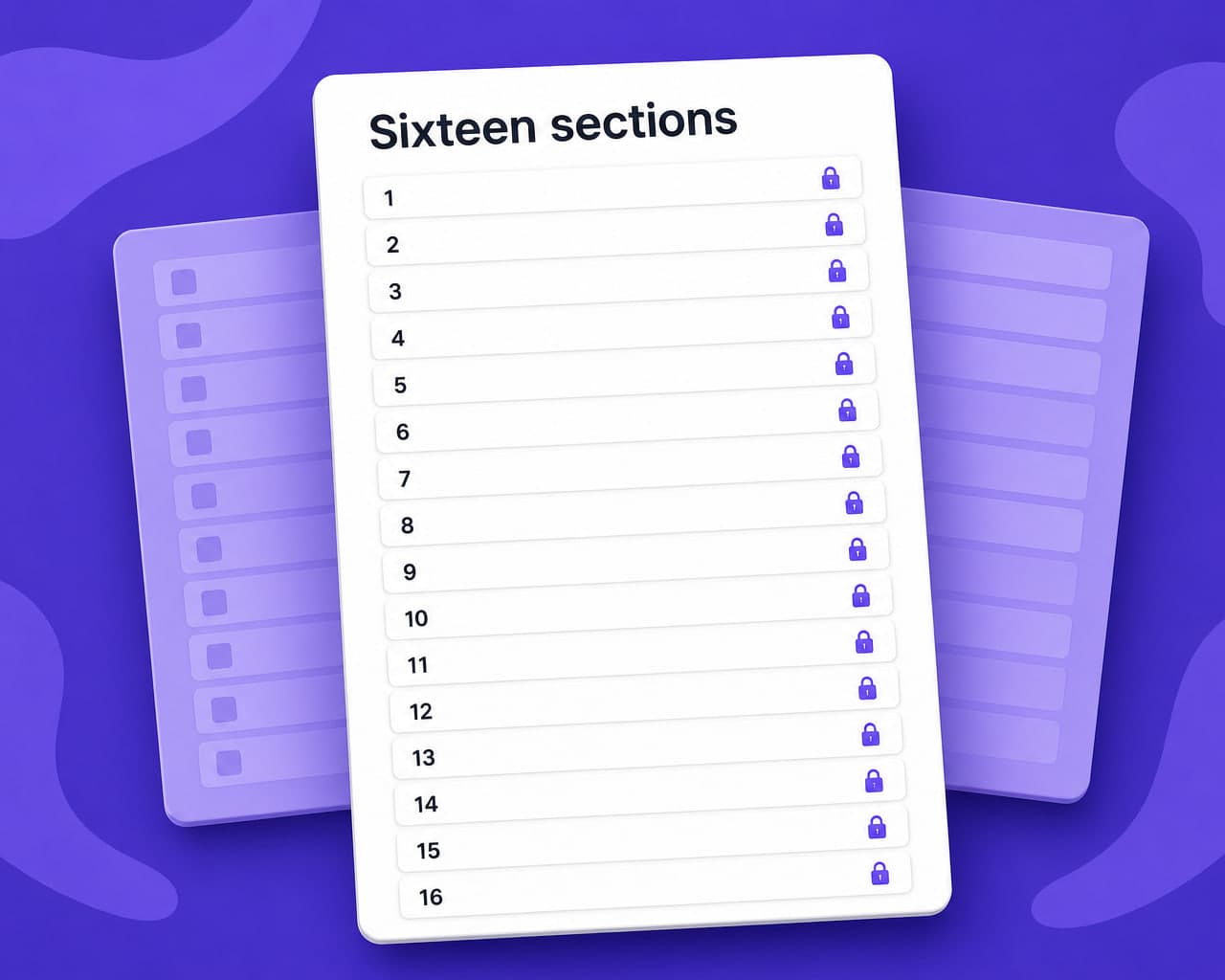
An SDS built to the globally harmonised structure has sixteen numbered sections in a fixed order, and the hazard and precautionary statements inside it come from standardised phrase sets. Those phrase sets have official wording in each language. Translating them again produces text that is close, different, and wrong — because the regulator expects the published phrase, not a good paraphrase. So the first job is retrieval, not translation.
Where the actual work sits
| Section | Nature |
|---|---|
| Hazard and precautionary statements | Standardised — use the official wording |
| Section headings and structure | Fixed |
| Product and supplier identification | Local entity details |
| Composition and ingredient names | Chemical nomenclature, not free translation |
| First aid and firefighting measures | Product-specific, high consequence |
| Handling, storage, disposal | Product-specific, often local rules |
| Regulatory information | Per territory, and changes |
First aid is where a translation error becomes an injury. It is read under pressure by someone who is not a chemist, so it has to be plain and exact at the same time.
Ingredient names are nomenclature
Chemical names follow naming conventions rather than ordinary language, and identifiers such as CAS numbers never change.
Treat them as protected terms so no general translation match can touch them, and check that the identifier survived the round trip — that is a mechanical check worth automating.
It changes, and every version has to keep up
Formulations change, classifications are updated, regulatory sections move.
An SDS library translated once and left alone drifts out of compliance quietly. Segment memory makes updating a section cost a section, which is what allows a large library to stay current rather than being reissued in batches.
Who signs it off
The safety and regulatory function, in every case. A translation pipeline's job is to deliver something consistent, traceable and already checked — quality control with back-translation on first aid and handling — not to replace the person accountable for the document. That division of labour is what regulated content localization is built around.
Where the same duty lands on a subcontractor's crew, it arrives as a RAMS pack — RAMS translation.
FAQ
Do safety data sheets have standardised translated phrases? Yes. Hazard and precautionary statements come from standardised phrase sets with official wording per language, so they should be retrieved rather than translated again.
Which SDS section carries the most risk in translation? First aid measures. They are read under pressure by someone who is not a chemist, so the text has to be both plain and exact, and an error there has physical consequences.
How should chemical names and identifiers be handled? As protected terms. Chemical nomenclature follows naming conventions rather than ordinary language, and identifiers such as CAS numbers must survive translation unchanged.
How do you keep a large SDS library current? By translating on the change with segment-level memory, so a revised section costs a section. Libraries translated once and left alone drift out of compliance without anyone noticing.