Quick answer — A warranty is a contractual document, so exclusions and conditions carry the risk rather than the promise. Statutory rights differ by market, and a translated warranty cannot quietly reduce them.
Vitra.ai Universe keeps one approved technical vocabulary across every document.
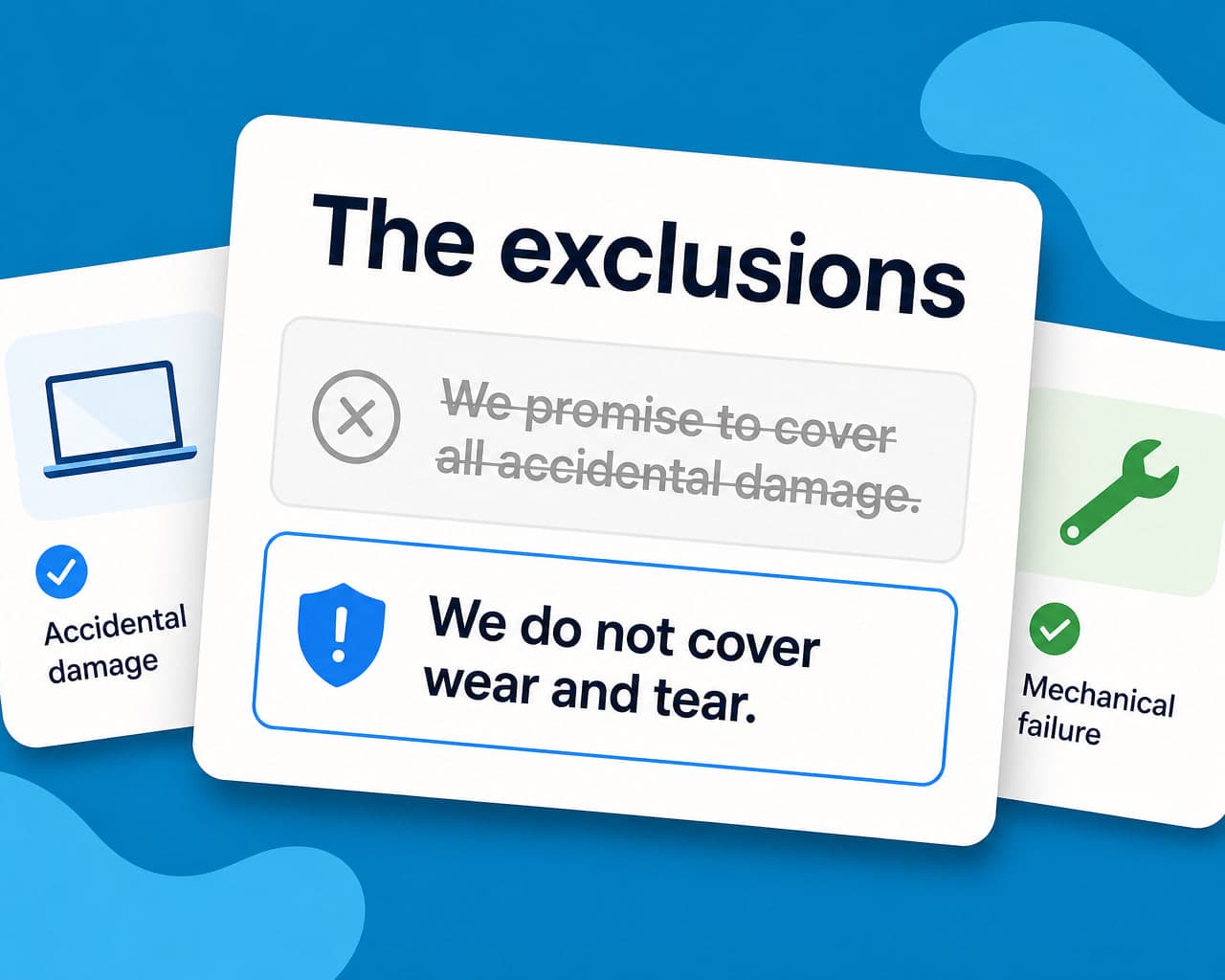
The exclusions are the document
The covered-parts list is the part customers read and the part that rarely causes disputes.
Everything contested sits in the conditions: what voids cover, what counts as misuse, which maintenance has to be evidenced, how long a claim window runs. A translation that softens or widens any of those changes the contract.
What varies by market
| Element | Varies |
|---|---|
| Statutory minimum rights | Yes, and cannot be reduced |
| Claim window | Often, by local law |
| Who bears return shipping | Often |
| Consumer versus business cover | Different regimes in many markets |
| Approved service network | Yes |
| Governing law and venue | Stated, never localized |
Statutory rights are the one to raise before translating anything. In several markets a buyer has protections that exist regardless of what the warranty document says, and a translated warranty implying otherwise creates exposure the original never had. The problem is not the translation quality. It is that the document was published in that market at all. That is a legal question per market, settled before scoping.
What must survive exactly
Maintenance conditions, because they tie to the maintenance manual and a mismatch between the two is the most common cause of a rejected claim.
Component names, so a covered part is identifiable in the catalogue.
And any figure — hours, cycles, months, distances — with units checked mechanically rather than read.
Back-translation earns its place here
A lost negation in an exclusion reads perfectly and inverts what is covered.
Run a back-translation comparison on every exclusion and condition through quality control. It is the document class where that check has the clearest payback, because the failure surfaces as a claim rather than a complaint.
Version and archive
When a claim is made on a machine sold four years ago, the question is which warranty version applied in that market on that date, in that language.
Hold the wording in memory so it matches the manual and the sales documentation, and keep superseded versions retrievable.
FAQ
Which part of a warranty carries the translation risk? The exclusions and conditions rather than the covered-parts list. Softening or widening what voids cover changes the contract, and that is where disputes actually happen.
Do statutory rights affect warranty translation? Yes. Several markets give buyers protections that exist regardless of the warranty text, so a translated document cannot imply less. That is a legal question to settle before translating.
Why must warranty maintenance conditions match the manual? Because a mismatch between the two is the most common reason a claim is rejected, and the customer experiences it as the manufacturer changing the terms after the sale.
What records need keeping? Which warranty version applied in which market, in which language, on which date. Claims arrive years later, so superseded versions have to remain retrievable.